Are Microwave Ready Meals Bad for You? What Distributors Should Know About Ready Meal Trends and Packaging
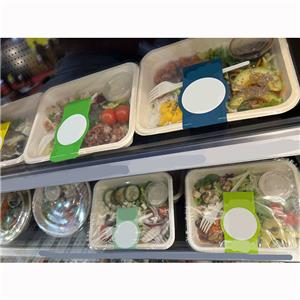
Microwave ready meals have become a major part of modern food retail. From supermarket shelves to online meal delivery services, the demand for convenient, ready-to-heat meals continues to grow worldwide.
However, a common question still appears frequently in search engines:
Are microwave ready meals bad for you?
For distributors and wholesalers working in food packaging or ready meal supply chains, understanding this topic is important—not only from a consumer perspective, but also from a packaging and product quality standpoint.
Why Microwave Ready Meals Are So Popular
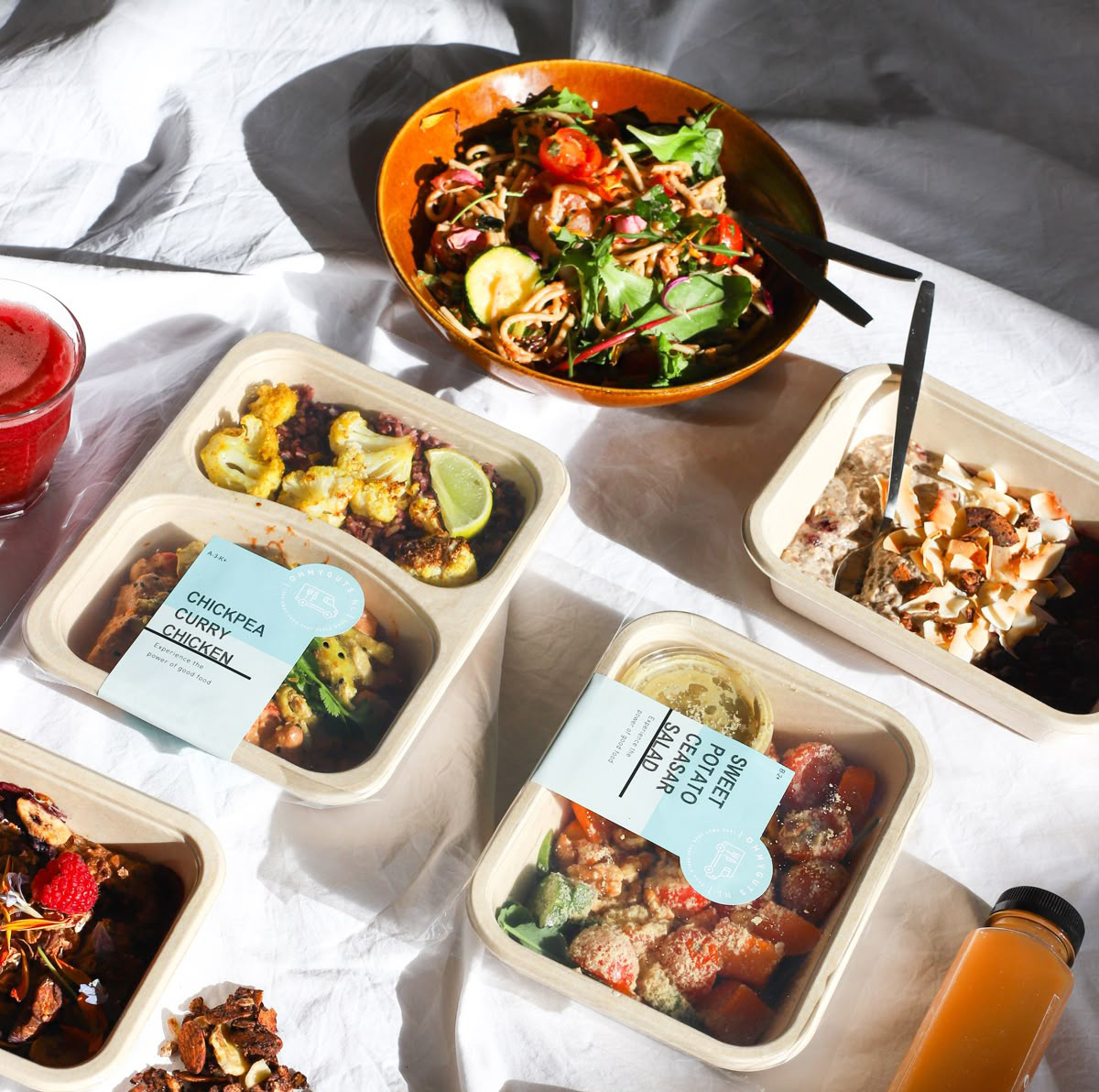
Ready meals are designed to save time while still offering a complete dish. In many markets across Europe and North America, consumers rely on them for quick lunches, workday dinners, or travel meals.
The main reasons for their popularity include:
Convenience and time savings
Controlled portion sizes
Longer refrigerated shelf life
Easy microwave heating
Increasing variety of cuisines and diets
Because of these advantages, the global ready meal market continues expanding, and retailers are investing heavily in better packaging formats.
Are Microwave Ready Meals Actually Unhealthy?
The answer depends largely on the ingredients and nutritional balance, not the microwave heating process itself.
Microwaving food does not inherently make meals unhealthy. In fact, microwave cooking can help retain nutrients because it often requires shorter heating times compared with traditional cooking methods.
However, concerns sometimes arise from factors such as:
High sodium content in some processed meals
Preservatives used for extended shelf life
Low fiber or vegetable content in certain products
In recent years, many ready meal brands have improved recipes by focusing on fresher ingredients, balanced nutrition, and reduced additives.
The Role of Packaging in Ready Meal Quality
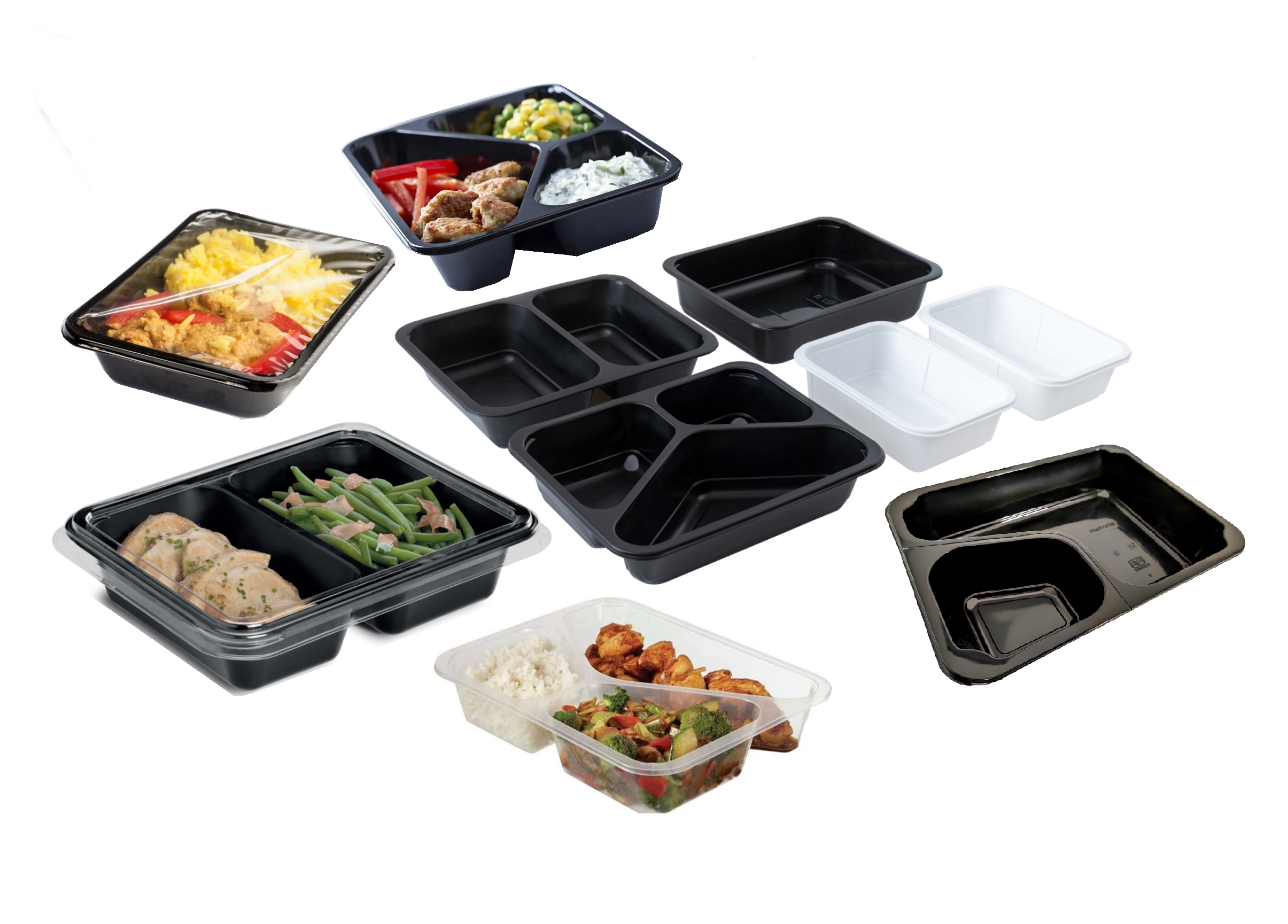
Packaging plays a critical role in ready meal safety and quality. It must protect food during:
Refrigerated storage
Transportation and distribution
Microwave reheating
Traditional ready meals are often packed in plastic trays made from materials such as PP or CPET. These trays provide good heat resistance but rely heavily on petroleum-based plastics.
As sustainability concerns grow, food brands and retailers are looking for packaging that reduces plastic usage while maintaining performance.
The Shift Toward Fiber-Based Ready Meal Packaging
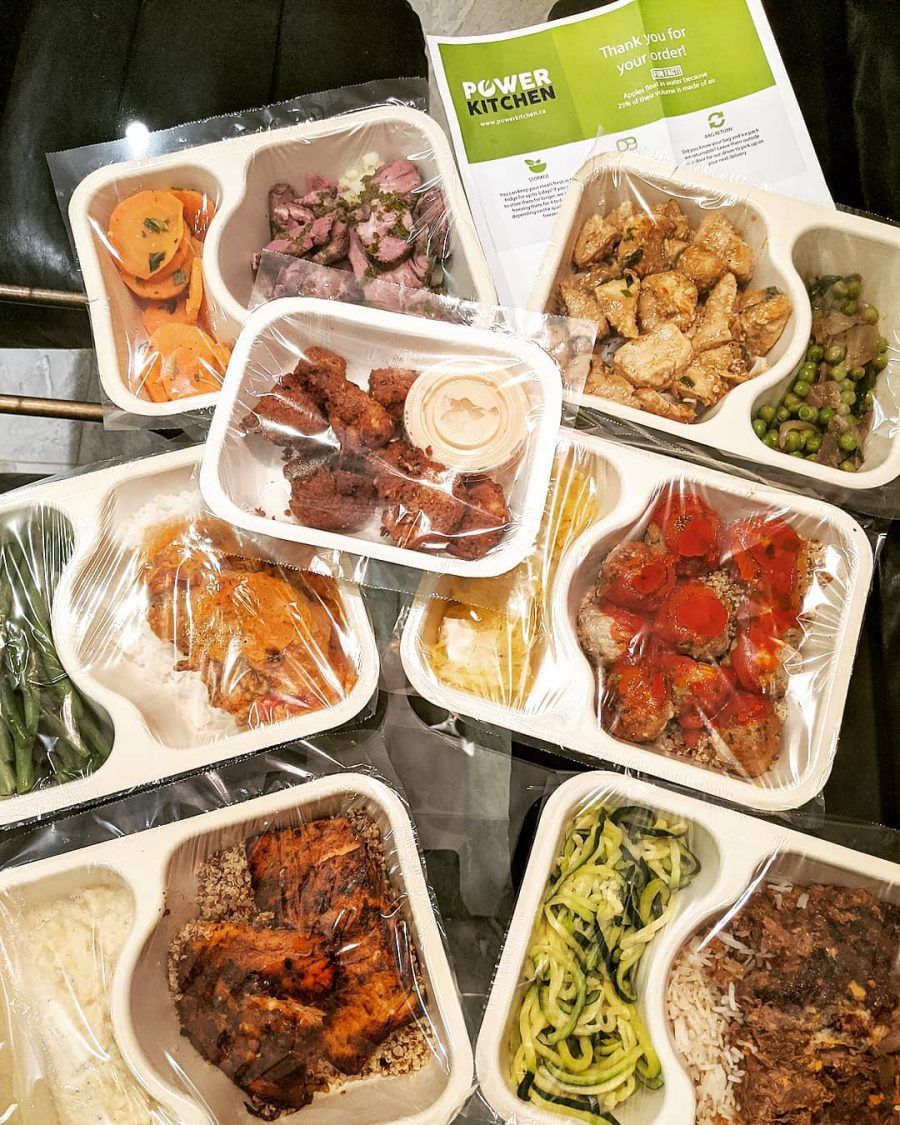
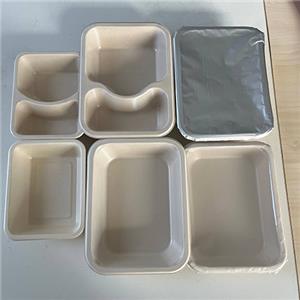
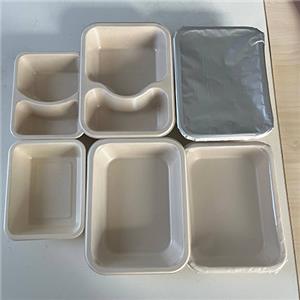
Across the food packaging industry, there is increasing interest in molded fiber trays made from sugarcane bagasse.
Bagasse is a natural fiber byproduct generated during sugar production. Instead of being discarded, it can be processed into molded pulp packaging suitable for food applications.
Compared with traditional plastic trays, molded fiber containers offer several advantages:
Reduced plastic content
Renewable plant-based material
Strong structure for hot foods
Suitable for microwave heating when properly designed
For distributors supplying the ready meal industry, this material category is becoming an important product segment.
Why Coated Bagasse Ready Meal Trays Are Growing in Demand
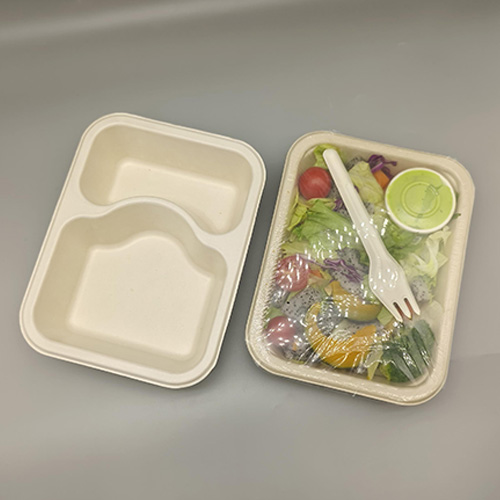
While pure molded fiber works well for dry foods, ready meals often contain sauces, oils, and moisture. This means the tray must include a barrier layer to prevent leakage.
That is why many commercial solutions use bagasse coated ready meal trays.
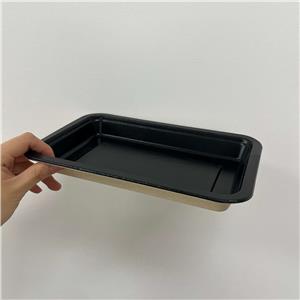
At our manufacturing facility, we produce bagasse coated microwave ready meal trays designed for the practical needs of food manufacturers and distributors.
These trays combine:
A rigid molded sugarcane fiber structure
A thin inner plastic lining (such as PE) for moisture and grease resistance
This structure provides:
Reliable microwave performance
Improved leak protection for saucy meals
Reduced plastic usage compared with full plastic trays
Stable stacking and transportation strength
For ready meal brands seeking a balance between sustainability and performance, coated bagasse trays offer a practical solution.
Why Packaging Matters for Distributors
For wholesalers and packaging distributors, the growth of microwave ready meals creates significant opportunities.
Retailers and meal brands are increasingly looking for packaging that can deliver:
Reliable microwave safety
Strong food protection
Reduced environmental impact
Consistent supply capacity
Working with experienced molded fiber manufacturers allows distributors to expand their product portfolio while meeting evolving sustainability expectations.
The Future of Microwave Ready Meal Packaging
The ready meal industry is evolving rapidly. Consumers want convenience, but they also expect brands to reduce environmental impact.
As a result, packaging innovation is becoming a key competitive factor.
Fiber-based packaging, especially coated bagasse ready meal trays, is emerging as one of the most promising alternatives to traditional plastic containers.
For distributors and wholesalers, understanding these materials—and partnering with capable manufacturing suppliers—can help capture growing demand in the global ready meal market.
FAQ (Optimized for Google Featured Snippets)
Are microwave ready meals unhealthy?
Not necessarily. Health depends mainly on ingredients and nutrition rather than the microwave heating process.
Is it safe to microwave ready meal trays?
Yes, if the tray is designed for microwave heating and made from heat-resistant materials.
Are plastic ready meal trays being replaced?
Many brands are exploring fiber-based alternatives to reduce plastic usage.
What is bagasse packaging?
Bagasse packaging is made from sugarcane fiber and molded into food containers or trays.