Bagasse Plates Meaning: What They Are and Why Distributors Are Paying Attention
If you search “bagasse plates meaning”, you’ll usually find a short definition: disposable plates made from sugarcane fiber.
But for distributors, wholesalers, and food packaging buyers, the meaning goes much deeper than a dictionary explanation. It touches on material sourcing, performance standards, compostability claims, and long-term supply stability.
In this article, we break down what bagasse plates really are — and why they’ve become a serious product category in global foodservice distribution.
What Does “Bagasse” Actually Mean?
Bagasse is the dry fibrous residue left after sugarcane stalks are crushed to extract juice during sugar production.
Instead of being burned or discarded, this plant fiber can be repurposed into molded pulp products such as:
Disposable plates
Bowls
Clamshell containers
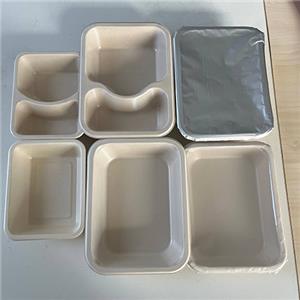
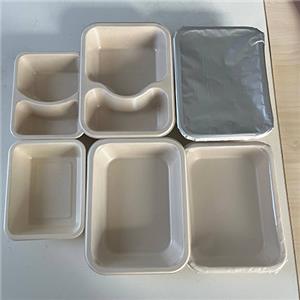
Meal trays
Food packaging inserts
Because bagasse is an agricultural byproduct, it is considered a renewable raw material.
So when we talk about bagasse plates, we mean:
Plates manufactured from molded sugarcane fiber pulp rather than plastic or virgin wood pulp.
How Are Bagasse Plates Made?
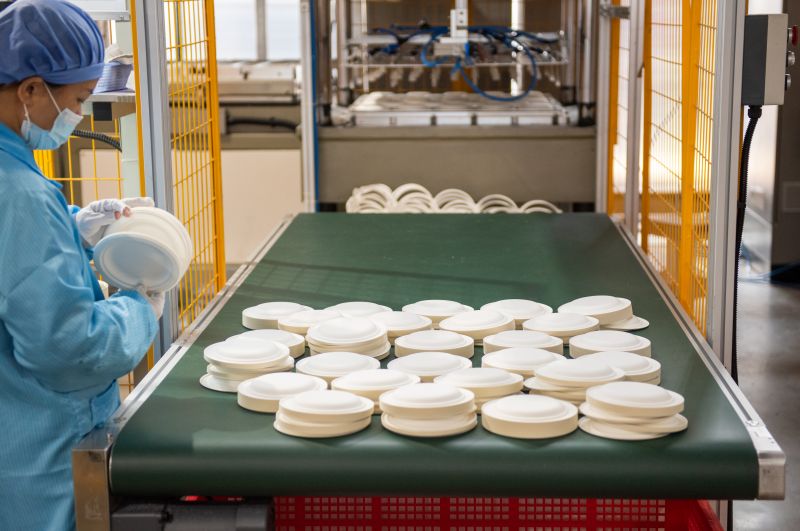
The process is similar to molded fiber packaging production:
Sugarcane residue is cleaned and processed into pulp
The pulp is molded under heat and pressure
Plates are formed in precision molds
Products are trimmed, sterilized, and quality checked
The result is a rigid, lightweight, and stackable disposable plate suitable for hot and cold food applications.
For professional buyers, understanding the manufacturing process is important because it determines:
Surface smoothness
Structural strength
Thickness consistency
Oil and water resistance
Production scalability
Are Bagasse Plates Compostable?
In most cases, yes — under proper industrial composting conditions.
Unlike traditional plastic plates, molded bagasse plates are plant-fiber based and can break down significantly faster in controlled compost environments.
However, distributors should always confirm:
Whether the product includes additional coatings
Local composting standards in their market
Certification requirements (such as industrial compost compliance)
Not all molded fiber plates are identical. Barrier treatments and export standards matter.
Why Bagasse Plates Are Growing in Global Demand
Across North America, Europe, and Australia, foodservice operators are facing increasing pressure to reduce single-use plastic.
Bagasse plates offer several practical advantages:
1️⃣ Heat Resistance
Suitable for hot meals without warping.
2️⃣ Grease Resistance
Naturally more oil-resistant than standard paper plates.
3️⃣ Sturdy Construction
More rigid than foam alternatives.
4️⃣ Lower Plastic Dependency
Made primarily from plant fiber.
For distributors, this means higher perceived value compared to thin paper or foam plates.
Performance vs. Marketing Claims
While “eco-friendly” is a strong selling point, wholesale buyers focus on performance first.
Important considerations include:
Can the plate handle saucy or oily foods?
Does it maintain structure in humid storage?
Is it microwave-safe?
What is the breakage rate during shipping?
Can supply volumes remain stable year-round?
This is where manufacturing capability becomes critical.
The Role of Professional Bagasse Tableware Manufacturers
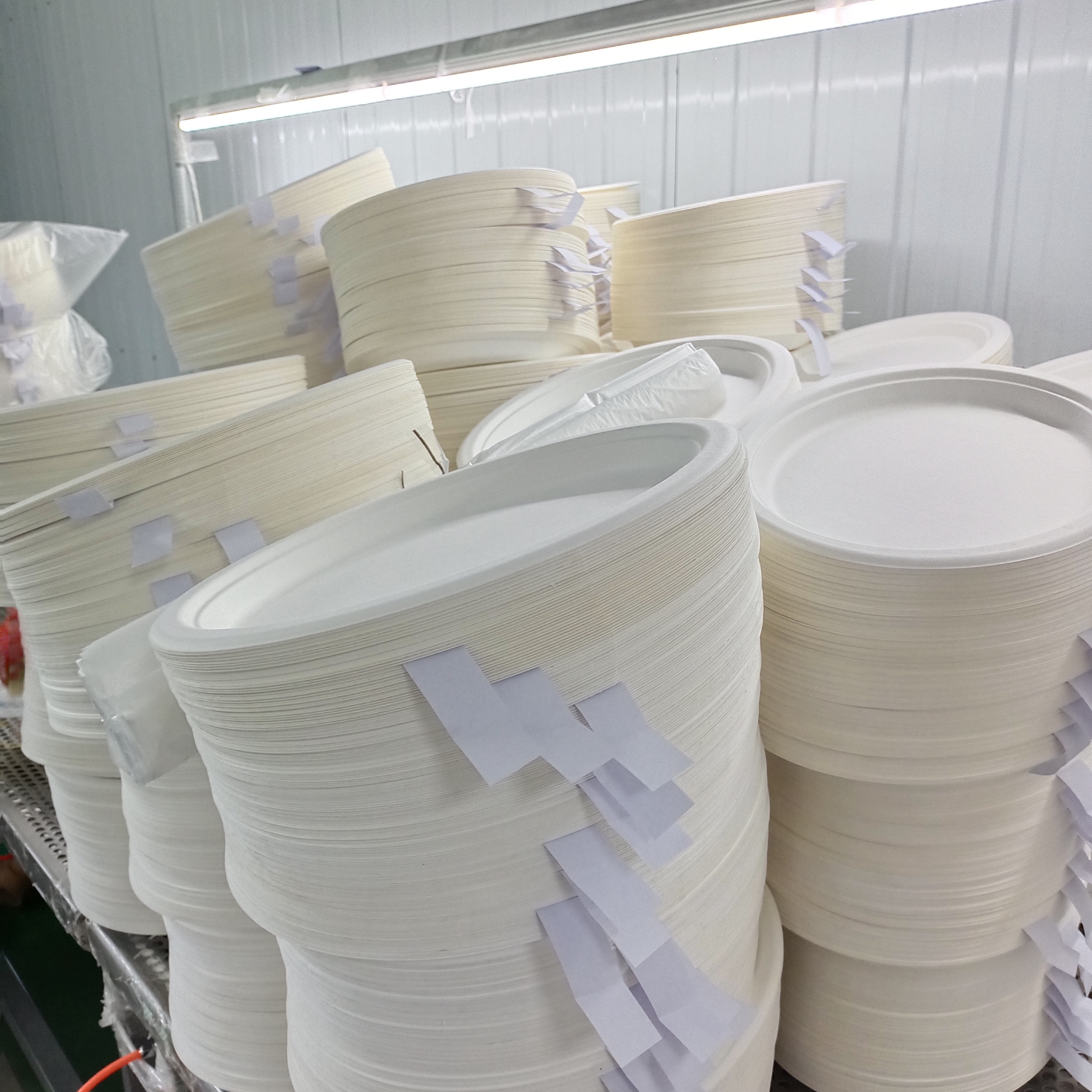
Not all bagasse plates on the market are produced under the same quality standards.
As a specialized sugarcane pulp tableware manufacturing factory, we focus on:
Controlled raw material sourcing
Automated high-speed molding lines
Custom mold development
Thickness customization
Logo embossing and private labeling
Export-standard packaging
For distributors and wholesalers, factory partnership matters as much as product specification.
Stable production capacity ensures:
Consistent container loading schedules
Scalable monthly output
Custom size development
Competitive cost control
Beyond Standard Plates: Coated and Functional Options
While standard bagasse plates work well for dry and semi-moist foods, some applications require enhanced barrier performance.
Our production line also supports:
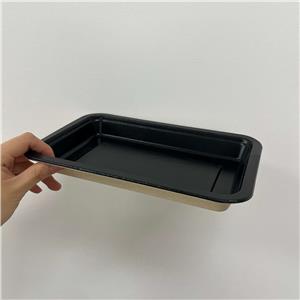
PE-coated bagasse meal containers
Enhanced oil-resistant food trays
Customized compartment plates
Heavy-duty catering plates
These coated versions are particularly suitable for:
Prepared meals
Takeaway services
Airline catering
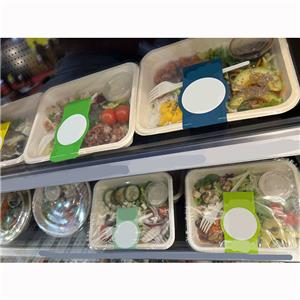
Supermarket ready-food counters
Distributors can select between standard compostable designs and higher-performance coated structures depending on target markets.
Why Distributors Are Switching from Foam and Plastic
Compared to polystyrene foam and traditional plastic plates, bagasse plates offer:
Improved environmental positioning
Better premium perception
Alignment with plastic reduction policies
Easier branding opportunities
For wholesalers building long-term foodservice portfolios, molded fiber products are no longer niche — they are mainstream growth categories.
Final Thoughts: Bagasse Plates Meaning for the Supply Chain
So, what does “bagasse plates” really mean?
It means:
Plant-based molded fiber tableware
Reduced reliance on petroleum plastics
Commercially viable disposable foodservice solutions
A scalable product category for global distribution
For distributors and wholesalers, the opportunity lies not just in selling eco-friendly plates — but in partnering with experienced manufacturing facilities capable of delivering consistent quality, custom solutions, and reliable export capacity.
As global food packaging continues evolving, bagasse tableware stands at the intersection of performance and sustainability.
Why Partner with a Professional Bagasse Tableware Manufacturer?
For distributors and wholesalers, understanding the meaning of bagasse plates is only the first step. The real decision lies in choosing a manufacturing partner that can deliver consistent quality, scalable production, and long-term supply reliability.
As a specialized sugarcane pulp tableware manufacturing factory, we focus exclusively on molded fiber food packaging solutions. Our production system is built to meet the needs of international distributors, including:
High-speed automated molding lines for stable output
Strict raw material selection using controlled sugarcane fiber pulp
Consistent thickness and structural strength control
Custom mold development for exclusive product designs
OEM and private label support
Export-standard quality inspection and packaging
Unlike small-scale workshops, we operate with industrial-level production capacity, allowing distributors to:
Maintain stable container loading schedules
Scale orders during peak seasons
Develop customized SKUs for different markets
Control long-term procurement costs
Beyond Standard Bagasse Plates
While standard compostable plates remain our core product line, we also manufacture:
Heavy-duty catering plates
Compartment bagasse plates
Coated bagasse meal containers
Custom embossed logo plates
Retail-ready packaging formats
For markets that require enhanced oil and moisture resistance, we offer bagasse coated food containers with thin PE lining, designed to balance durability and reduced plastic usage.
This makes our product range suitable for:
Foodservice distributors
Supermarket chains
Meal prep suppliers
Airline catering providers
Eco-focused retail brands
Manufacturing Matters in Sustainable Packaging
In the global shift away from single-use plastic, sustainability claims must be backed by production capability.
Our factory prioritizes:
Stable raw material sourcing
Efficient energy-controlled molding systems
Waste reduction during production
Scalable monthly output capacity
Long-term export cooperation
For overseas distributors, reliability is just as important as sustainability.
Bagasse plates are not simply eco-friendly alternatives — they are a scalable, commercially viable product category supported by professional manufacturing infrastructure.
Expanding Production Capacity: Our Cambodia Manufacturing Facility
To better serve international distributors and reduce supply chain risks, we have expanded our production footprint beyond a single location.
In addition to our primary manufacturing base, we operate a Cambodia-based sugarcane pulp tableware production facility, strategically positioned to support global exports.
This multi-factory layout offers several advantages:
1️⃣ Supply Chain Stability
Operating in multiple countries helps reduce disruption risks caused by regional policy changes, logistics bottlenecks, or raw material fluctuations.
2️⃣ Competitive Export Structure
Cambodia provides favorable trade conditions for many international markets, helping distributors optimize import duties and overall landed costs.
3️⃣ Scalable Production Capacity
With combined output from multiple facilities, we are able to:
Support high-volume monthly orders
Handle peak-season demand
Maintain consistent container shipment schedules
4️⃣ Consistent Quality Standards
Both factories operate under unified production management systems, including:
Standardized raw material control
Mold precision control
Thickness consistency inspection
Export-grade packaging protocols
For overseas wholesalers, this means you are not relying on a single production source. Instead, you benefit from a coordinated manufacturing network designed for long-term partnership and stable growth.
Built for Global Distribution
Our Cambodia factory focuses on:
Disposable bagasse plates
Compartment plates
Clamshell containers
Coated bagasse meal boxes
Custom OEM projects
By combining cost efficiency with industrial-level production management, we ensure:
Competitive pricing
Reliable lead times
Stable product quality
Flexible customization options
For distributors entering or expanding in eco-friendly tableware markets, factory capability is just as important as product sustainability.
Bagasse plates are more than an environmentally friendly alternative — they represent a supply chain strategy built on renewable materials and global manufacturing coordination.
FAQ (Optimized for Search Snippets)
What are bagasse plates made from?
They are made from sugarcane fiber residue left after juice extraction.
Are bagasse plates biodegradable?
Yes, most are biodegradable and compostable under industrial conditions.
Are bagasse plates microwave safe?
Generally yes, when produced with proper heat-resistant molding.
Are coated bagasse plates still compostable?
It depends on the coating type and regional composting standards.