Bagasse vs Plastic Food Packaging: Which Is Better for Your Business?
Introduction
As global regulations tighten and consumers demand more sustainable solutions, the debate between bagasse and plastic food packaging has become more relevant than ever.
For distributors, importers, and food brands, the real question is not just which is greener — but which performs better in real-world applications.
📦 What Is Bagasse Packaging?
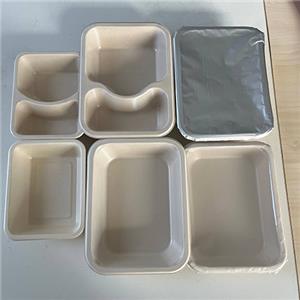
Bagasse packaging is made from sugarcane fiber, a byproduct of sugar production. Instead of being burned as waste, it is processed into molded fiber products such as:
Food containers
Plates and bowls
Ready meal trays
It is widely recognized as a renewable and compostable alternative to plastic.
🧪 What Is Plastic Food Packaging?
Plastic packaging is typically made from petroleum-based materials such as:
PP (Polypropylene)
PET (Polyethylene Terephthalate)
It has long dominated the food industry due to its:
Low cost
Durability
Strong barrier properties
⚖️ Key Comparison: Bagasse vs Plastic
1. Sustainability
Bagasse: Renewable, compostable, lower carbon footprint
Plastic: Non-renewable, difficult to recycle, long degradation time
👉 For eco-conscious markets (EU, US), bagasse clearly leads.
2. Performance in Food Applications
Plastic: Excellent barrier properties, leak-proof
Bagasse (traditional): Good, but may struggle with oily or liquid foods
👉 This is where many buyers hesitate.
🚀 The Turning Point: Coated Bagasse Technology
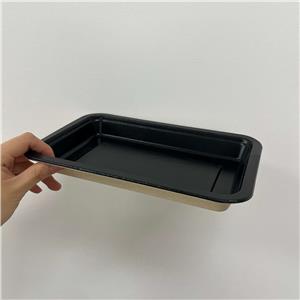
Modern coated bagasse trays are closing the gap with plastic:
Oil & water resistant
Heat-sealable (compatible with automated lines)
Suitable for MAP (Modified Atmosphere Packaging)
Freezer to microwave use
👉 This makes them viable for:
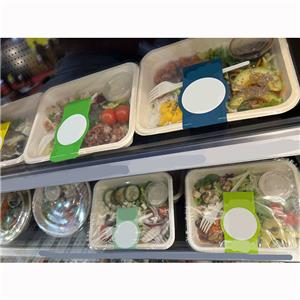
Ready meals
Supermarket packaging
Food delivery chains
3. Cost Considerations
Plastic: Still cheaper in raw unit cost
Bagasse: Slightly higher, but increasingly competitive
👉 However, buyers must also consider:
Plastic taxes
Environmental regulations
Brand positioning
4. Market Demand
Global trends show:
Increasing plastic bans
Retailers switching to eco packaging
Consumers willing to pay more for sustainability
👉 This shift is accelerating demand for bagasse packaging.
🏭 Why Manufacturer Choice Matters
For wholesalers and distributors, choosing between bagasse and plastic is not just about material — it's about supplier capability.
Reliable bagasse manufacturers can offer:
Stable quality
Coated technology
OEM customization
Multi-country production (China + Southeast Asia)
👉 This ensures both performance and supply chain security.
🎯 Which Should You Choose?
Choose Plastic If:
You need lowest cost
No sustainability requirements
Simple packaging applications
Choose Bagasse If:
You target eco-conscious markets
You need compliance with regulations
You want long-term product positioning
Choose Coated Bagasse If:
You need both performance and sustainability
You are in ready meal / supermarket packaging
You require sealing, freezing, or oil resistance
📞 Final Thoughts
The shift from plastic to sustainable packaging is no longer a future trend — it is already happening.
For distributors and importers, the real opportunity lies in adopting next-generation bagasse solutions that match plastic performance while meeting environmental expectations.
Working with experienced bagasse packaging manufacturers can help you stay ahead of regulations, reduce risk, and unlock new market opportunities.