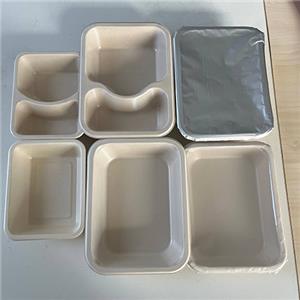
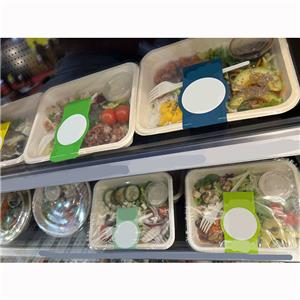
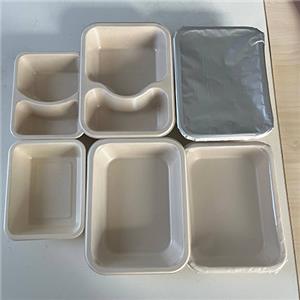
Tbilisi, Georgia — As Georgia’s sweeping restrictions on single-use plastics take hold, restaurants, cafes, and takeaway operators are grappling with rising costs and urgent supply chain shifts. Industry leaders warn that replacing plastic with pricier alternatives like glass or aluminum could push menu prices 5% to 15% higher, threatening already tight profit margins. Yet a practical, cost-competitive solution is emerging:
sugarcane bagasse food containers—a durable, fully compostable alternative designed to meet both regulatory demands and budget realities.
Georgia’s phase-out of single-use plastics began April 1, 2026, banning the import, sale, and use of plastic cutlery, plates, cups, and expanded polystyrene (EPS) food containers. Starting July 1, the rules will tighten further: food service businesses will be prohibited from serving meals in any plastic containers or drinks in plastic bottles. Non-compliance brings steep penalties: a first offense carries a 1,000 GEL fine plus confiscation; repeat violations double the fine. For businesses reliant on takeout and delivery—already squeezed by inflation—the ban adds unprecedented financial pressure.
“These rules will hit small and mid-sized eateries hardest,” said Shota Burjanadze, co-founder of the Restaurant Association of Georgia. “Many operators face a choice: absorb higher material costs or pass them to customers. Neither is sustainable.”
Beyond Plastic: Why Sugarcane Bagasse Is Emerging as the Preferred Alternative
Amid the uncertainty,
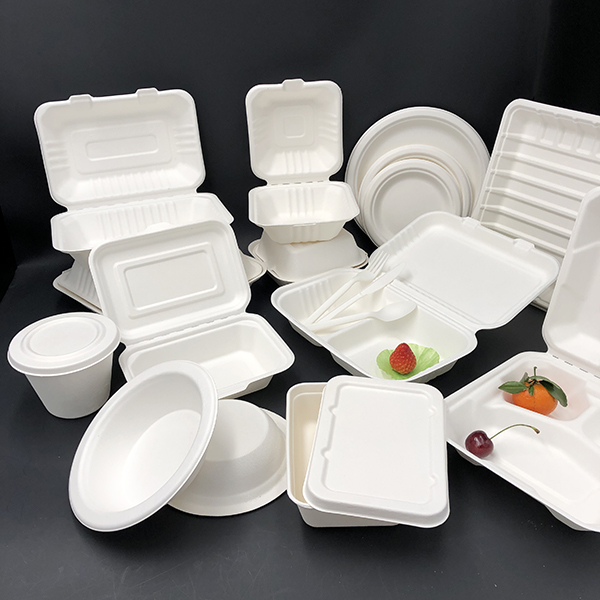
sugarcane bagasse tableware—made from the fibrous pulp leftover after sugarcane crushing—has gained traction as a balanced solution. Unlike flimsy paper or heavy, expensive reusable alternatives, bagasse delivers plastic-like performance without fossil fuels or long-term waste.
Key advantages for Georgia’s food service sector:
Full regulatory compliance: 100% biodegradable and compostable, meeting Georgia’s plastic ban rules and international standards (ASTM D6400, EN 13432).
Practical performance: Resists heat, grease, and moisture—safe for hot meals, oily foods, and microwave use. Sturdy enough for delivery without leaking or warping.
Cost efficiency: Priced competitively with premium paper but far more durable. Avoids the long-term cost risks of plastic bans and fines.
Sustainable sourcing: Made from agricultural waste, not virgin timber or petroleum. Reduces carbon emissions by ~73% vs. polystyrene.
Versatile designs: Available as clamshell takeout boxes, bowls, plates, and multi-compartment trays—ideal for Georgian cuisine, fast casual, and catering.
Manufacturers Scale Up Bagasse Production to Meet Georgian Demand
Leading sustainable packaging producers are expanding output to support Georgia’s transition. Specialized factories—including a major facility in Cambodia—are mass-producing high-quality sugarcane bagasse food containers for export to EU and Eastern European markets. These plants use advanced thermoforming technology to create consistent, food-safe products free of PFAS and BPA.
“Georgia’s ban isn’t an isolated trend—it’s part of a global shift away from plastic,” said a regional packaging distributor. “Bagasse isn’t just a temporary fix; it’s a long-term, scalable solution that aligns with environmental goals and business needs.”
What’s Next for Food Operators?
With the July 1 deadline approaching, Georgian restaurants are advised to act early. Testing bagasse containers now can smooth the transition, stabilize costs, and avoid last-minute supply shortages. Early adopters report that customers respond positively to eco-friendly packaging—strengthening brand loyalty while staying compliant.
For Georgia’s food service sector, the plastic ban presents challenges—but also an opportunity to lead in sustainability. With sugarcane bagasse takeout containers, businesses don’t have to choose between going green and staying profitable.