Is Bagasse Compostable? A Practical Guide for Food Packaging Buyers
🌱 What Is Bagasse?
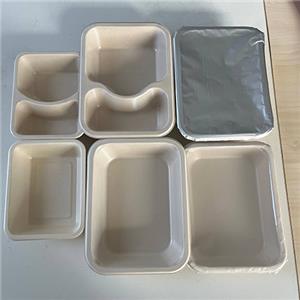
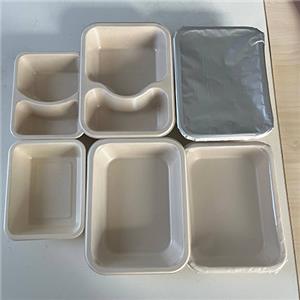
Bagasse is the fibrous residue left after extracting juice from sugarcane. Instead of being discarded or burned, it is increasingly used to produce molded fiber packaging such as food containers, trays, and tableware.
For buyers in the food packaging industry, bagasse has become one of the most widely adopted alternatives to plastic due to its renewable origin and strong sustainability profile.
♻️ Is Bagasse Compostable?
Yes — bagasse is compostable, but the answer depends on how and where it is processed.
In industrial composting environments, bagasse packaging typically breaks down within 60–90 days under controlled conditions:
High humidity
Temperatures above 50°C
Active microbial activity
In these conditions, bagasse products can fully decompose into organic matter without leaving harmful residues.
However, in home composting systems, the process can take significantly longer due to lower temperatures and less controlled conditions.
⚠️ What Many Buyers Overlook
Not all bagasse packaging performs the same when it comes to compostability.
Here are a few factors that directly impact compostability:
1. Product Thickness
Thicker trays take longer to break down.
2. Additives or Coatings
Some manufacturers add chemical treatments that may affect composting performance.
3. Composting Infrastructure
Availability of industrial composting facilities varies by region (especially in the US and Europe).
👉 This is why buyers should not only ask “Is it compostable?”
…but also “Under what conditions?”
🏭 From Material to Manufacturing: Why the Factory Matters
For distributors and wholesalers, compostability is not just about the raw material — it’s about how the product is manufactured.
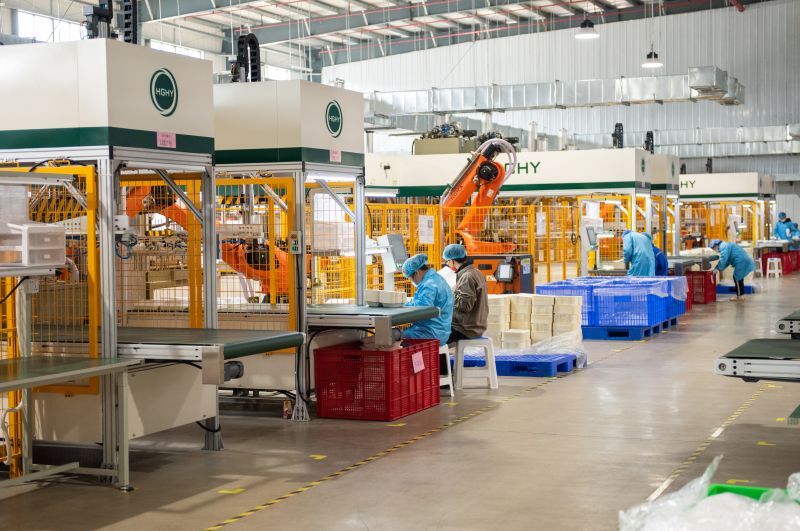
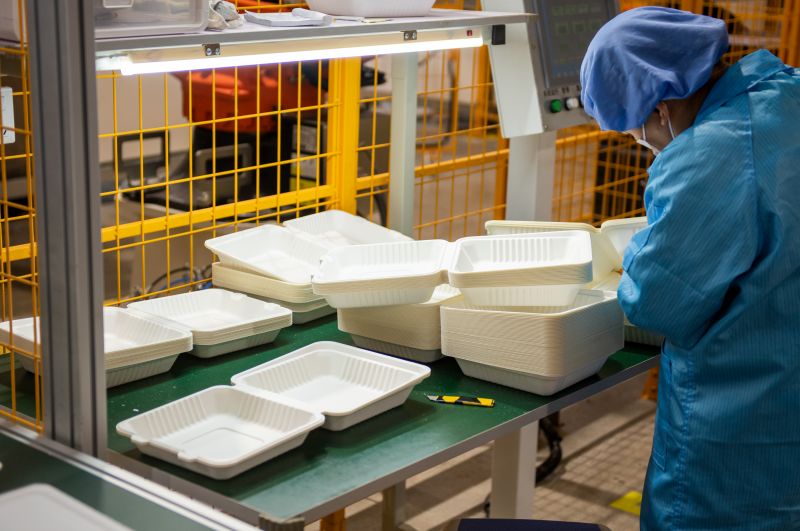
Reliable bagasse packaging manufacturers typically offer:
Controlled pulp molding processes
Consistent product density
Certification support (FDA, LFGB, compostability standards)
Stable large-scale supply
Factories with multiple production bases (for example in China and Southeast Asia) can also help buyers optimize logistics and tariffs.
🔬 A New Generation: Coated Bagasse Packaging
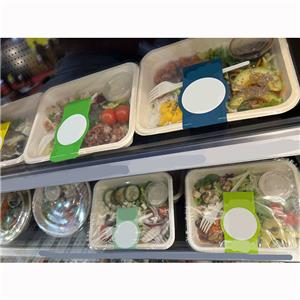
Traditional bagasse products are compostable — but they have limitations, especially when used for ready meals, oily food, or sealed packaging.
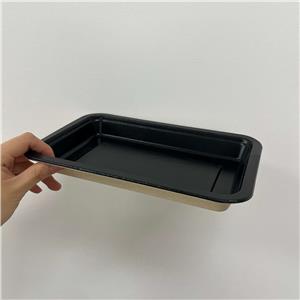
That’s where coated bagasse technology comes in.
What makes coated bagasse different?
Improved oil and water resistance
Heat-sealable for automated packaging lines
Compatible with MAP (Modified Atmosphere Packaging)
Suitable for frozen and microwave-ready meals
From a sustainability perspective:
👉 Modern coated solutions can still meet compostability standards
👉 Plastic content is minimized (typically ≤5%)
👉 PFAS-free options are increasingly available
For many food brands, this balance between functionality and sustainability is becoming essential.
🌍 What This Means for Distributors & Importers
If you are sourcing food packaging at scale, here’s the key takeaway:
Bagasse is compostable — but performance varies
End-use (fresh food, ready meals, takeaway) matters
Factory capability is just as important as raw material
Coated bagasse is becoming the industry direction
Buyers who understand these differences are in a much better position to:
✔ Choose the right supplier
✔ Avoid product complaints
✔ Meet sustainability requirements
✔ Stay competitive in their market
📞 Final Thoughts
Bagasse packaging offers a real pathway toward reducing plastic use — but only when it is properly designed, manufactured, and matched to the right application.
For wholesalers and distributors, the opportunity is not just to sell “eco-friendly products,” but to offer functional, compliant, and scalable packaging solutions.
If you are currently evaluating suppliers or exploring coated bagasse packaging for ready meals, it may be worth working directly with experienced manufacturers who can support both product performance and long-term supply.