Japan’s 2026 Packaging Shift: Mastering the Plastic Resource Act and the Rise of Fiber-Based Solutions
Japan’s commitment to a circular economy is reaching a critical inflection point. As of April 2026, the Act on Promotion of Resource Circulation for Plastics (Amendment 2026) has further expanded its reach, mandating that retailers, convenience stores, and foodservice operators significantly reduce their dependency on petroleum-based single-use plastics. Combined with the upcoming June 2026 PFHxS ban, Japanese businesses are facing a mandatory pivot toward high-performance, sustainable materials.
At Hebei Mountain Environmental Protection Technology, we provide the verified PFAS-FREE and fiber-based hybrid solutions required to excel in the Japanese market. Our technology bridges the gap between environmental compliance and the high-quality aesthetics that define Japanese food culture.
The April 2026 Mandate: Why Japan is Accelerating Single-Use Plastic Reduction
The April 2026 amendments to Japan’s Plastic Resource Circulation Act represent a move from voluntary targets to mandatory reporting for specified businesses. This law targets "Specific Plastic-Containing Products," requiring a 25% weight reduction by 2030. For the B2B sector, this means traditional PET and PP trays are increasingly becoming a regulatory liability.
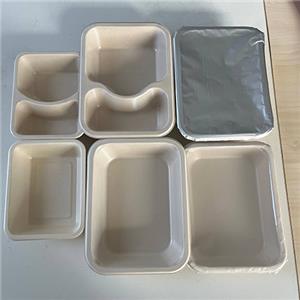
Hebei Mountain’s fiber-based bagasse trays with functional lamination offer a direct escape from these restrictions. By using a sugarcane fiber base combined with ultra-thin barrier layers, our solutions provide the rigidity of plastic while satisfying the decarbonization goals set by the Ministry of the Environment.
The PFAS Countdown: Meeting Japan’s New PFHxS and MHLW Safety Standards
Japan’s Ministry of Health, Labour and Welfare (MHLW) is aligning with global standards by tightening the "Positive List" for food contact materials. Starting June 2026, Japan will add 117 PFHxS substances to its ban list, effectively targeting "forever chemicals" in packaging.
Hebei Mountain offers the highest tier of safety: our latest July 2026 SGS report confirms our products are PFAS-FREE (ND - Not Detected). By choosing an "ND" solution, Japanese partners can guarantee that their Bento and sushi containers are free from toxic migration, fulfilling the stringent safety expectations of the MHLW.
High-Quality Bento Packaging: Balancing Aesthetics with Extreme Barrier Performance
The Japanese market is unique in its demand for packaging performance. Whether it is a high-end Bento box or fresh sashimi, the packaging must prevent leaks, maintain moisture levels, and provide a premium "Omotenashi" feel.
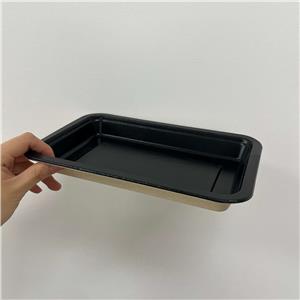
Hebei Mountain solves this through our EVOH Lamination Technology. By applying an ultra-thin functional layer to our sugarcane base, we achieve:

Extreme Oxygen Barrier: Vital for maintaining the color and freshness of Japanese seafood and meats.
Anti-Leak Reliability: 100% resistance to oils and sauces common in Japanese cuisine.
1:1 Mold Replication: We can replicate existing Japanese plastic tray sizes 1:1, allowing Bento manufacturers to switch materials without changing their automated production lines.
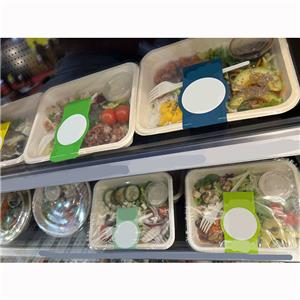
Hebei Mountain’s Solution: Fiber-Based Hybrid Trays for the Modern Retailer
We don't just provide a container; we provide a retail-ready transition plan:
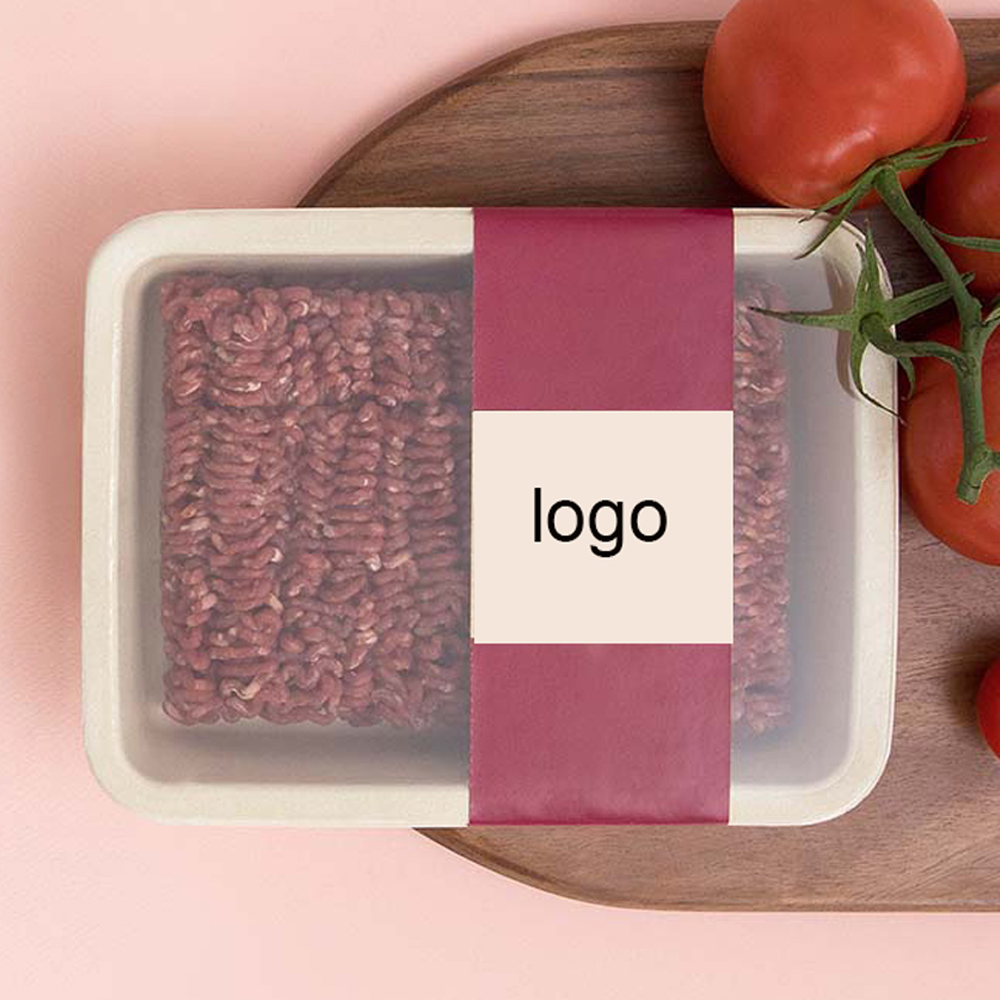
MAP & VSP Ready: Engineered for Modified Atmosphere Packaging and Vacuum Skin Packaging, extending shelf life in Japan’s advanced cold chains.
SGS Certified Purity: 100% compliant with PPWR Total Fluorine, REACH, and BPA-free standards.
Decarbonization Alignment: Our fiber-based base reduces carbon emissions significantly compared to virgin PP/PET production.
Strategic Supply Chain: Avoiding Trade Barriers with Cambodia-Based Production
For Japanese importers, supply chain stability and cost-effectiveness are paramount. Hebei Mountain’s strategic production base in Cambodia offers a resilient alternative to direct exports from other regions, ensuring a consistent, high-volume supply of premium compostable bento containers.
Conclusion: Future-Proof Your Japanese Business for 2026 and Beyond
The April 2026 deadline for plastic reduction and the June 2026 PFAS restrictions are a call to action. Today, integrating PFAS-FREE, fiber-based laminated solutions will position your brand as a leader in Japan’s decarbonized future.