Pakistan's 2026 Packaging Transformation: Navigating Plastic Bans and the Rise of Fiber-Based Solutions
Pakistan is the world's fifth-most populous nation—a country of over 241 million consumers where a rapidly modernising food service sector meets one of South Asia's most dynamic regulatory environments. In 2026, the country is reaching a critical juncture in its packaging regulation: provincial leadership—particularly from Punjab, Pakistan's largest province—has driven single-use plastic bans that are now being harmonised at the federal level, while PSQCA (Pakistan Standards and Quality Control Authority) enforces mandatory certification for all food packaging materials entering the market.
For Pakistani B2B operators—from biryani chains in Karachi to luxury hotels in Islamabad—the regulatory framework demands strategic action. At Hebei Mountain Environmental Protection Technology, we provide the verified PFAS-FREE and fiber-based with functional lamination solutions required to lead Pakistan's packaging transformation.
Pakistan's Plastic Ban Framework: From Provincial Leadership to Federal Enforcement
Pakistan's approach to plastic regulation has followed a provincial-to-federal trajectory. Punjab province—home to Lahore and over 120 million people—led the way with comprehensive bans on single-use plastic bags, food containers, disposable cups, and cutlery, creating a regulatory blueprint later adopted by other provinces. By 2026, the federal government is harmonising these provincial frameworks into a cohesive national ban, directly targeting the plastic packaging that dominates Pakistan's vibrant food service economy.
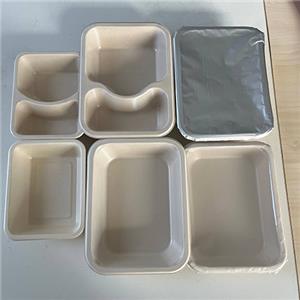
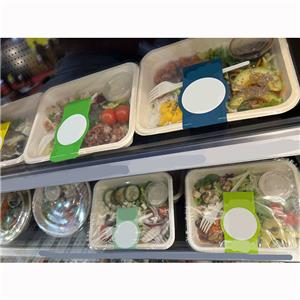
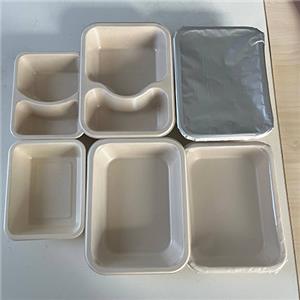
For Pakistani restaurant chains, hotel groups, and food manufacturers, the expanding ban creates an urgent compliance need. Hebei Mountain's fiber-based bagasse trays with functional lamination provide a direct, ban-compliant alternative—delivering the performance that Pakistan's world-class cuisine demands, from steaming plates of biryani to sizzling kebabs.
PSQCA Certification: How Mandatory Standards Shape Pakistan's Packaging Market
Pakistan's PSQCA enforces mandatory certification for all food packaging materials through its Compulsory Certification Mark Scheme, which covers over 150 product categories. Food packaging must be certified as food-grade and non-toxic. PSQCA has been actively strengthening enforcement in 2026—including directives to food producers to eliminate substandard packaging materials.
Hebei Mountain provides the fully documented compliance support that Pakistani importers need: complete material declarations, SGS-verified safety data against REACH, POPs, and BPA-free standards satisfying PSQCA certification requirements.
From Karachi to Khyber: Pakistan's Food and Hospitality Economy
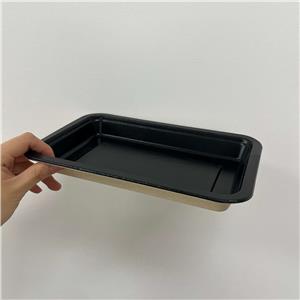
Pakistan's culinary heritage is legendary—from the aromatic biryani of Karachi to the slow-cooked nihari of Lahore. Hebei Mountain's fiber-based trays with functional lamination are engineered for the Pakistani environment: hot food stability for nihari, haleem, and traditional dishes, 100% oil and liquid barrier for curry-based cuisine, and 1:1 mold replication for automated production.
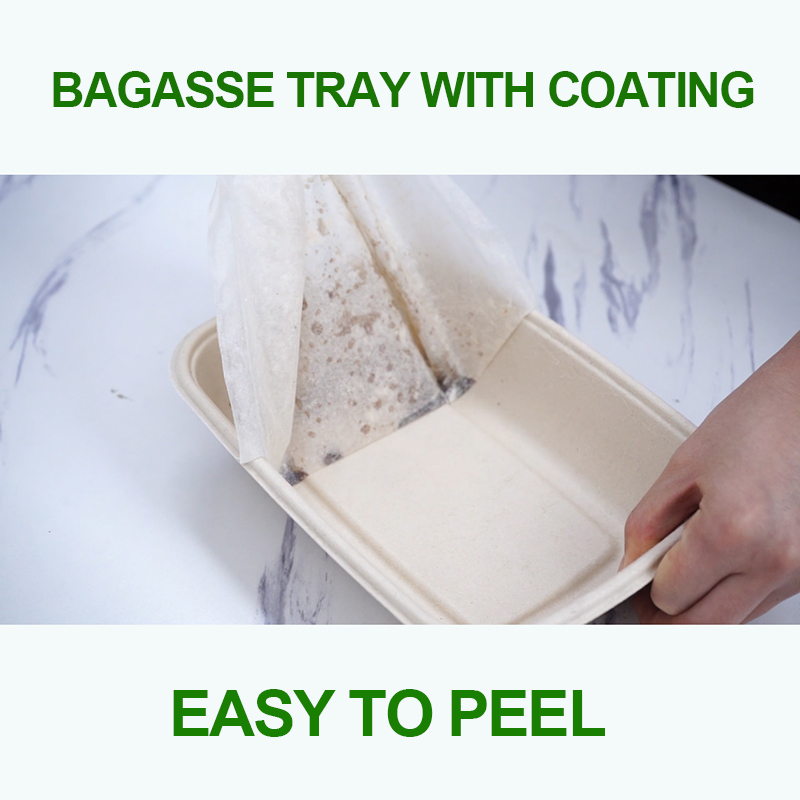
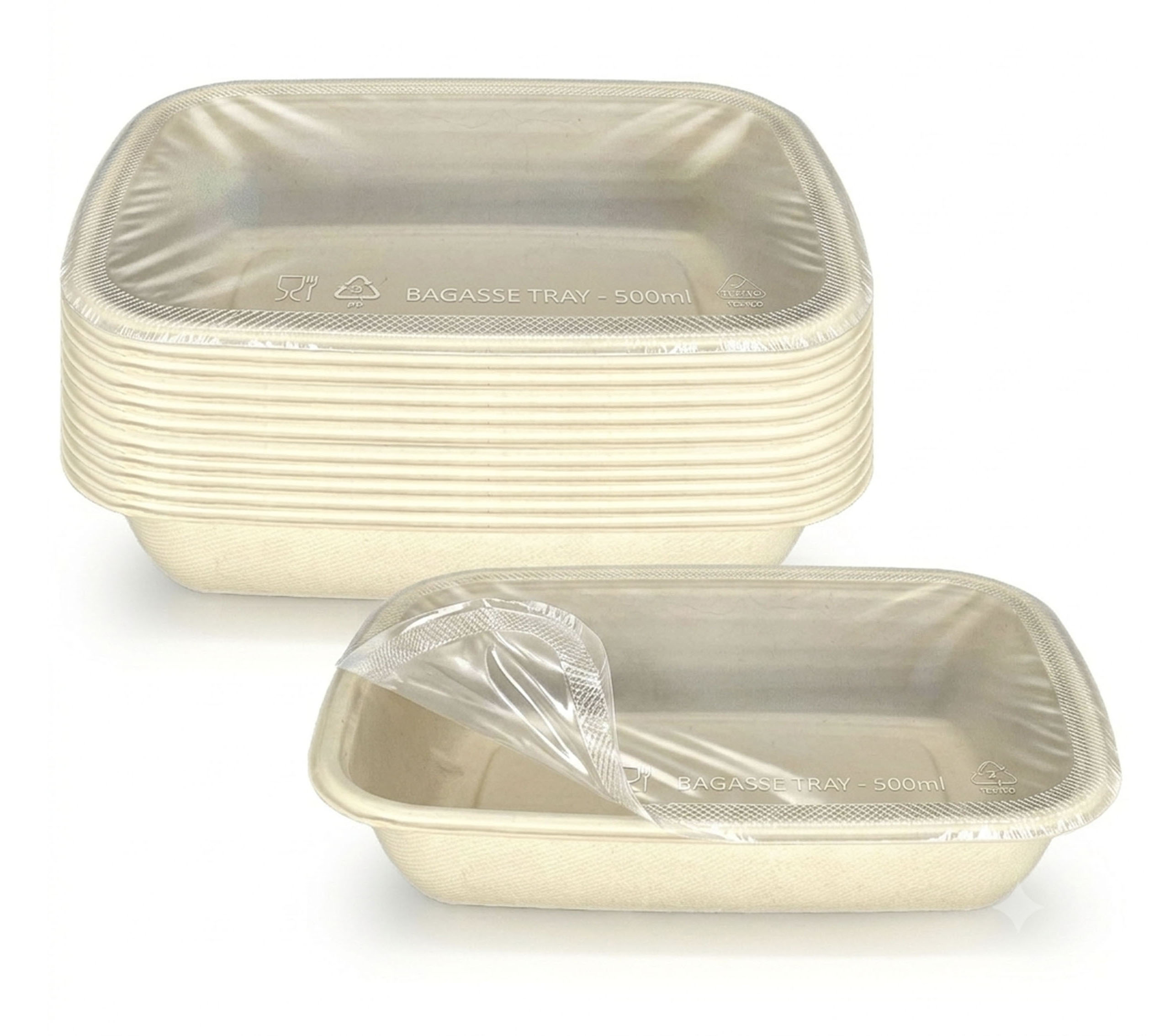
Hebei Mountain's Solution: Fiber-Based with Functional Lamination (PFAS-FREE ND)
We deliver a fully documented compliance strategy: ban compliant, PSQCA-ready with full material declarations, AS 4736 Industrial Compostable certified, and SGS verified against REACH, POPs, and BPA-free standards.
Strategic Supply Chain: Cambodia-Based Manufacturing for the South Asian Market
Hebei Mountain's Cambodia facility ensures stable supply of premium compostable food containers via maritime logistics to Karachi—Pakistan's commercial capital and gateway to the Arabian Sea and Central Asia.
Conclusion
Brands integrating PFAS-FREE, fiber-based hybrid packaging today will lead the world's fifth-largest consumer market. Contact Hebei Mountain for SGS-certified samples.
Hebei Mountain Environmental Protection Technology Co., Ltd.
Your Partner for Sustainable Innovation in Pakistan and South Asia.