South Africa's 2026 Packaging Transformation: Mastering EPR Compliance and the Rise of Fiber-Based Solutions
South Africa operates the most sophisticated packaging regulatory framework on the African continent. With a world-class formal recycling sector complemented by an informal "reclaimer" workforce that recovers 80-90% of post-consumer packaging, the country has built a unique circular economy model that balances environmental ambition with socio-economic reality. In 2026, this model is entering a new phase of enforcement, driven by the Department of Forestry, Fisheries and the Environment (DFFE) tightening EPR regulations, the binding 8% recycled content mandate for single-use plastic products, and the long-range 2030 target for all packaging to be "recyclable by design."
For South African B2B operators—from wine exporters in Stellenbosch to hotel chains on the Garden Route—the era of passive compliance is over. At Hebei Mountain Environmental Protection Technology, we provide the verified PFAS-FREE and fiber-based with functional lamination solutions required to lead Africa's most dynamic packaging market.
DFFE EPR Regulations 2026: Why Stricter Enforcement is Reshaping SA Packaging Strategy
In February 2026, South Africa's environment ministry signalled a new era of stricter enforcement for the country's Extended Producer Responsibility (EPR) regulations. The Section 18 regulations, which made EPR mandatory for the paper and packaging sectors, are now backed by stronger compliance mechanisms—including the prospect of deposit-refund systems for specific packaging categories. Producers and importers must register with the DFFE, obtain unique registration numbers, and meet escalating collection and recycling targets.
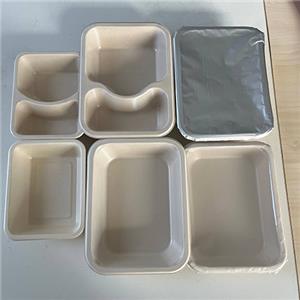
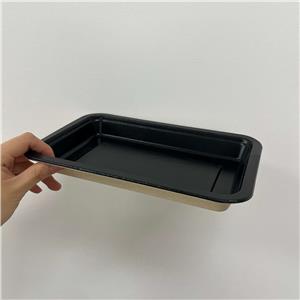
For South African importers and brand owners, the message is clear: packaging that cannot demonstrate a viable recovery pathway will face increasing regulatory and financial pressure. Hebei Mountain's fiber-based bagasse trays with functional lamination provide a direct, EPR-aligned solution. Our products consist of a natural plant fiber base with an ultra-thin functional coating. Because they are built on renewable fiber rather than petroleum-based plastic, they sit outside the most demanding plastic EPR recovery obligations—eliminating the complex collection logistics and escalating compliance costs that plastic packaging faces under the DFFE's strengthened enforcement regime.
The 8% Mandate: How South Africa's Recycled Content Requirement is Driving Material Innovation
South Africa's EPR regulations include a pioneering requirement: all single-use products including food packaging, garbage bags, cups, and cutlery must contain a minimum of 8% recycled material. This mandate creates a significant supply chain challenge—sourcing verified food-grade recycled content at South African manufacturing scale is both costly and logistically complex.
Hebei Mountain's fiber-based hybrid solutions offer a strategic alternative. Because our packaging is built on natural plant fiber rather than plastic, it sits entirely outside the 8% recycled plastic content requirement—eliminating the recycled content obligation altogether. For South African FMCG brands, this represents a direct compliance advantage: no recycled content verification burden, no supply chain complexity for food-grade recycled materials, and no year-on-year escalation risk as recycled content mandates inevitably tighten.
2030 and Beyond: Why "Recyclable by Design" is the New Standard for South African Packaging
South Africa's long-term regulatory trajectory is clear: by 2030, all packaging must be "recyclable by design." This standard, aligned with global best practice, will fundamentally reshape material choices across the entire packaging value chain. For brand owners making multi-year packaging commitments, 2026 is the year to begin transitioning to materials that will remain compliant through 2030 and beyond.
Hebei Mountain's fiber-based hybrid packaging is designed for this long-range trajectory. Our tray structure—a renewable natural fiber base with a minimal functional layer—is inherently compatible with South Africa's world-class recycling infrastructure and the informal reclaimer networks that form the backbone of the country's collection system. By transitioning to fiber today, South African brands secure a packaging strategy that remains compliant through the 2030 milestone.
From Cape Town to Kruger: Fiber-Based Solutions for SA's Tourism and Food Economy
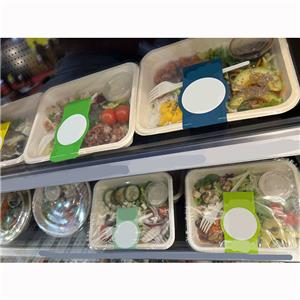
From the vineyards of Stellenbosch to the beachfront restaurants of Camps Bay, South Africa's world-class food and tourism economy demands packaging that performs reliably with the country's diverse cuisine. Hebei Mountain's fiber-based trays with functional lamination are engineered for the SA environment:

Hot Food Stability: Our trays maintain structural integrity with steaming hot South African dishes—from braai to potjiekos—eliminating warping and leakage.
100% Oil and Liquid Barrier: The ultra-thin functional layer provides complete containment of oils, marinades, and sauces.
1:1 Mold Replication: We match your existing container dimensions precisely, allowing SA central kitchens to switch to fiber without disrupting automated filling lines.
Hebei Mountain's Solution: Fiber-Based with Functional Lamination (PFAS-FREE ND)
We deliver a fully documented compliance strategy for South Africa's multi-layered regulatory framework:
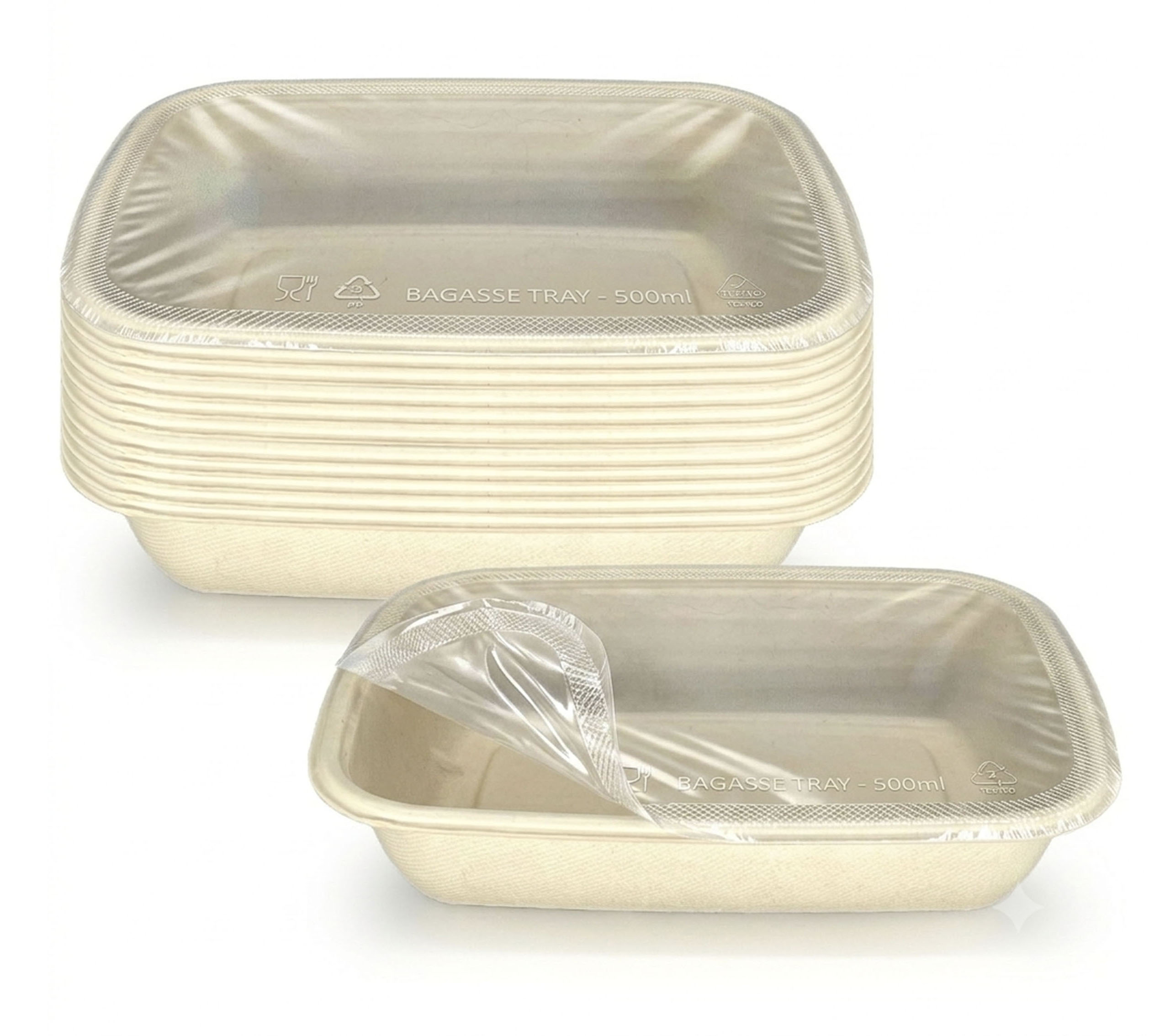
DFFE EPR Aligned: Plant-fiber base eliminates the most demanding plastic EPR recovery obligations.
8% Mandate Exempt: Natural fiber packaging sits outside the recycled plastic content requirement.
2030-Ready: "Recyclable by design" compliance with South Africa's long-term packaging trajectory.
AfCFTA Gateway: AS 4736 certification supports export compliance across African markets.
Strategic Supply Chain: The AfCFTA Gateway
South Africa's position as the gateway to the African Continental Free Trade Area (AfCFTA)—a market of 1.4 billion consumers—makes packaging compliance a pan-African strategic necessity. Hebei Mountain's Cambodia facility ensures a stable, high-volume supply of premium compostable food containers, supported by efficient maritime logistics to Cape Town, Durban, and Port Elizabeth.
Conclusion: Future-Proof Your SA Business for 2026 and Beyond
The convergence of DFFE EPR enforcement, the 8% recycled content mandate, and the 2030 recyclable-by-design target makes the transition to fiber-based packaging the most strategically sound pathway. Brands integrating PFAS-FREE, fiber-based hybrid packaging today will lead South Africa's circular economy. Contact Hebei Mountain for SGS-certified samples.
Hebei Mountain Environmental Protection Technology Co., Ltd.
Your Partner for Sustainable Innovation in South Africa and the African Continent.