The Dutch Green Shift: Mastering the 2026 SUP Directive and PFAS Bans
The Dutch Green Shift: Mastering the 2026 SUP Directive and PFAS Bans
The Netherlands has long been a pioneer in circular economy principles, and 2026 marks a decisive turning point for the nation's foodservice and packaging sectors. With the Netherlands SUP rules 2026 moving toward a 40% reduction target and the imminent EU PPWR PFAS ban taking effect on August 12, 2026, the landscape for single-use materials is being permanently reshaped.
For Dutch B2B operators, from catering wholesalers in Rotterdam to supermarket chains in Amsterdam, the message is clear: the era of single-use plastic and "forever chemicals" is ending. At Hebei Mountain Environmental Protection Technology, we offer a future-proof roadmap through our advanced PFAS-free sugarcane bagasse solutions, engineered to meet the highest standards of Dutch and European compliance.
The "Reuse as Standard" Era: Navigating Netherlands SUP Rules 2026
The Dutch government’s implementation of the EU Single-Use Plastics (SUP) Directive has been among the most ambitious in Europe. By January 1, 2026, the Netherlands aims for a significant reduction in the consumption of plastic cups and food containers compared to 2022 levels.
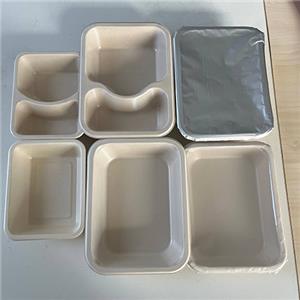
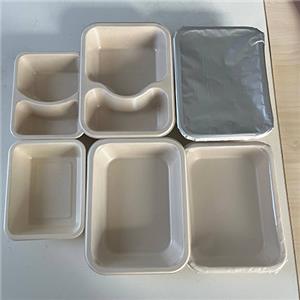
In the Dutch market, "Reuse is the standard" has become more than just a slogan; it is a regulatory requirement for on-site consumption. For "to-go" scenarios, while the industry previously experimented with mandatory surcharges, the focus in 2026 has shifted toward plastic-free alternatives. Packaging that contains even a small percentage of plastic lining is increasingly scrutinized. Hebei Mountain’s 100% plant-fiber bagasse tableware provides the ultimate escape from these restrictions. Since our base material is entirely natural fiber, it fulfills the most stringent definitions of "plastic-free," ensuring your business remains compliant even as SUP rules tighten.
Beyond Fluorine: Meeting the Dutch and EU PFAS Ban Deadlines
The Netherlands, as one of the lead sponsors of the universal PFAS restriction proposal, has set a high bar for chemical safety. While the Dutch government has had tighter controls in place since 2022, the Dutch PFAS ban food packaging landscape will merge with the broader EU PPWR restrictions on August 12, 2026.
Under these new rules, any packaging in contact with food must meet strict residue limits (less than 25 ppb for individual PFAS). This is where Hebei Mountain sets a new industry benchmark. Our bagasse containers are lab-tested to contain less than 10 ppm PFAS, far exceeding the standard safety requirements. By switching to our verified PFAS-FREE solutions, Dutch distributors can guarantee their clients a product that is not only functional but also aligned with the future of European health standards.
EPR and Waste Management: The Cost Advantages of Fiber-Based Packaging
In the Netherlands, the Afvalfonds Verpakkingen (Packaging Waste Fund) manages the Extended Producer Responsibility (EPR) system. In 2026, the fee structure has become increasingly "eco-modulated," meaning that producers and importers pay higher rates for materials that are difficult to recycle or have a high environmental impact.
Plastic packaging and multi-material laminates that are difficult to sort face the highest fees. In contrast, certified compostable fiber packaging—like Hebei Mountain’s sugarcane bagasse—benefits from a more favorable position in the waste hierarchy. Our products are certified to AS 4736 (Industrial) composting standards. In the Dutch "Circular 2050" strategy, materials that can return to the earth as compost are highly valued, offering long-term cost stability compared to the rising taxes on plastic and non-recyclables.
Hebei Mountain’s Innovation: PFAS-FREE, Laminated, and 100% Compostable
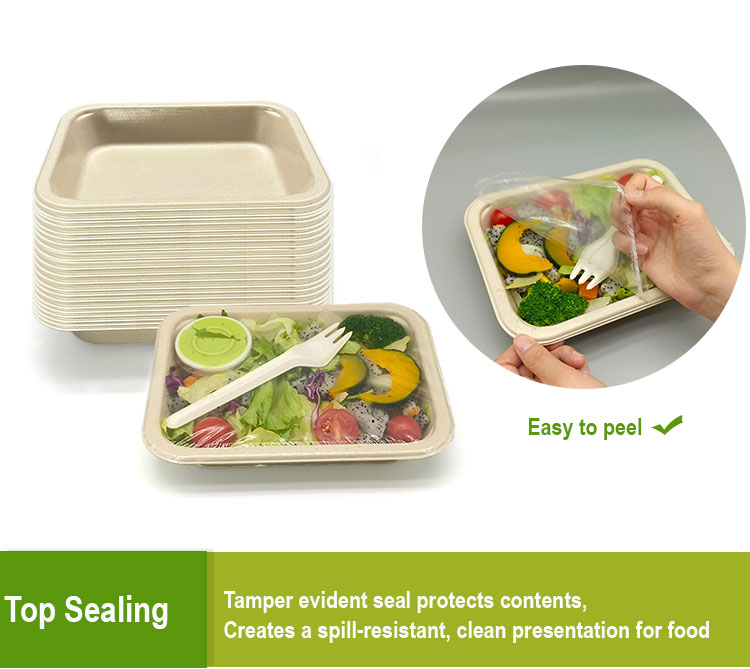
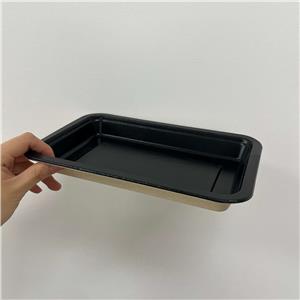
The transition to plastic-free often raises concerns about barrier performance. Hebei Mountain solves this through our proprietary Lamination Technology. We provide ultra-thin functional layers that offer 100% water and oil resistance:
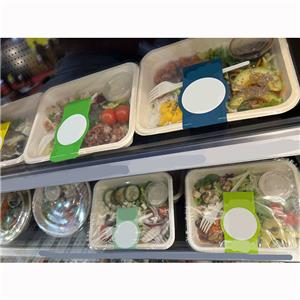
EVOH Lamination: Exceptional oxygen and moisture barrier properties, making it the ideal solution for MAP (Modified Atmosphere Packaging) for fresh Dutch produce and meats.
PLA Lamination: Perfectly aligned with the Dutch preference for bio-based and compostable materials.
1:1 Mold Replication: We can replicate your current plastic tray dimensions 1:1, allowing Dutch food processors to switch to fiber without the need for expensive machine retooling.
Global Supply Resilience: Why Cambodia-Based Manufacturing Matters for NL
As a global gateway, the Netherlands relies on stable international trade. Hebei Mountain’s manufacturing base in Cambodia provides a critical strategic advantage for Dutch buyers.
By sourcing from our Cambodia facility, Dutch partners can diversify their supply chains and navigate potential trade barriers associated with other regions. We ensure a consistent, high-volume supply of premium sugarcane bagasse containers to the Netherlands, supported by efficient logistics to the Port of Rotterdam.
Conclusion: Future-Proof Your Dutch Business Today
The Netherlands SUP rules 2026 and the EU PFAS ban are not just challenges—they are opportunities to lead in the green transition. By partnering with Hebei Mountain, Dutch businesses can secure a supply of AS 4736 certified and PFAS-FREE packaging that ensures compliance, reduces EPR costs, and meets the demands of the modern consumer.
Don't wait for the August 2026 deadline. Contact Hebei Mountain today to request samples and start your journey toward a truly circular packaging strategy.