The ESG Transparency Race: Why B2B Buyers are Shifting from High-Tariff Hubs to Cambodian Bagasse Plate Manufacturers in 2026
The ESG Transparency Race: Why B2B Buyers are Shifting from High-Tariff Hubs to Cambodian Bagasse Plate Manufacturers in 2026
In the rapidly evolving landscape of the global food service industry, 2026 has emerged as a watershed year for procurement professionals. The intersection of stringent environmental regulations, aggressive trade policies, and a corporate mandate for absolute supply chain clarity has fundamentally altered the sourcing map. Today, the "ESG Transparency Race" is no longer a corporate social responsibility exercise; it is a survival strategy. As major retailers like Walmart and Costco enforce rigorous end-to-end audits, the spotlight has shifted toward bagasse plate manufacturers in emerging hubs, specifically Cambodia, where transparency and trade advantages converge. These bagasse plate manufacturers are redefining the industry standards for 2026.
For years, the market for bagasse plates was dominated by high-volume production centers in East Asia. However, the rise of anti-dumping duties and the increasing complexity of ESG (Environmental, Social, and Governance) requirements have made these traditional hubs a liability for North American and European distributors. In this environment, bagasse plates wholesale buyers are increasingly looking toward a Cambodia-based production facility to secure their supply chains against both regulatory and economic volatility. Choosing the right bagasse plate manufacturers is now the most critical decision for any buyer of eco-friendly food packaging.
The ESG Audit Revolution: Why Transparency is the New Currency
In 2026, the term "eco-friendly" is no longer sufficient. Major retail giants have moved beyond simple product certifications to demanding full-scale transparency across the entire lifecycle of eco-friendly food packaging. Walmart’s "Project Gigaton" and Costco’s updated sustainability commitments now require suppliers to provide verified data on everything from raw material origin to labor conditions in the factory. This has made the role of bagasse plate manufacturers more complex than ever.
The shift has put immense pressure on bagasse plate manufacturers. It is no longer enough to produce bagasse plates; one must prove that the sugarcane fiber was sourced responsibly, that the manufacturing process is carbon-neutral, and that the workforce is treated according to international labor standards. Today, bagasse plate manufacturers are the lynchpin of the sustainable supply chain. Cambodian factories have capitalized on this by building "born-transparent" facilities that integrate IoT monitoring and blockchain-verified auditing from day one. These bagasse plates are the gold standard for transparency.
When sourcing sugarcane bagasse plates wholesale, B2B buyers now prioritize manufacturers who can provide a "Digital Product Passport." This level of detail is critical for passing the audits required by big-box retailers. For the procurement officer, choosing the right bagasse plate manufacturers means choosing a partner who can simplify their compliance burden. In the competitive world of eco-friendly food packaging, these manufacturers stand out by offering superior bagasse plates wholesale options.
Navigating the Tariff Minefield: The Cambodian Advantage
While ESG is the long-term driver, the immediate catalyst for the shift to Cambodia is the shifting geopolitical trade landscape. Traditional manufacturing hubs have been hit with a barrage of anti-dumping (AD) and countervailing duties (CVD), often exceeding 100% for molded fiber products. These tariffs have made bagasse plates wholesale prices from these regions untenable for competitive B2B markets. By switching to a reliable bagasse plates supplier in Cambodia, businesses can avoid these costs and secure their sugarcane bagasse plates wholesale supply.
Cambodia, however, remains a beacon of stability for the eco-friendly food packaging sector. Benefiting from the "Everything But Arms" (EBA) agreement with the EU and various preferential trade statuses with the US, Cambodian-made bagasse plates often enjoy significantly reduced import duties (10% U.S. duty, 0% antidumping for HTS 4823.70). This fiscal advantage allows bagasse plate manufacturers in the region to offer pricing that rivals—and often beats—heavily taxed competitors, without sacrificing quality or ethical standards. For those seeking bagasse plates wholesale, this is a game-changer. It makes eco-friendly food packaging from Cambodia the most logical choice for the bottom line.
For businesses looking to stabilize their margins, moving to sugarcane bagasse plates wholesale models based in Cambodia is a strategic hedge against the trade wars of the 2020s. It ensures that your eco-friendly food packaging remains affordable for the end consumer while maintaining the high standards required by the modern market. Buying bagasse plates from Cambodia is simply smart business in 2026.
The Rise of PFAS-Free Standards in 2026
Safety is another pillar of the ESG transparency race. By 2026, the phase-out of "forever chemicals" (PFAS) in food contact materials has become a legal requirement in many jurisdictions. For bagasse plates wholesale distributors, this means vetting every supplier for compliance with the latest FDA and EU REACH standards. The best bagasse plate manufacturers have already made the switch.
Leading bagasse plate manufacturers in Cambodia have stayed ahead of this curve by investing in proprietary water-based and bio-wax coatings. These PFAS-free Bagasse Containers and plates provide the same grease and moisture resistance as traditional options but without the toxic footprint. This commitment to safety is a core component of the ESG scorecards used by Walmart and Costco, making Cambodian products the preferred choice for high-stakes retail contracts. Wholesalers of bagasse plates must prioritize these safety features to stay relevant in the eco-friendly food packaging market.
Supply Chain Transparency: From Field to Fork
The journey of bagasse plates starts with the residual fiber of the sugarcane harvest. In the past, the supply chain for sugarcane bagasse plates wholesale was often opaque, with fiber collected from various unverified smallholders. In 2026, Cambodian bagasse plate manufacturers have pioneered direct-integration models. By positioning factories near large-scale, sustainable sugar refineries, they can guarantee the provenance of their raw materials. This transparency is vital for bagasse plates wholesale operations and overall eco-friendly food packaging integrity.
This vertical integration is a massive win for eco-friendly food packaging buyers. It allows for a precise calculation of Scope 3 emissions, which is a key requirement for modern corporate carbon reporting. When a distributor buys bagasse plates wholesale, they aren't just buying a product; they are buying a verified data set that helps their clients meet their net-zero targets. For anyone in the eco-friendly food packaging industry, this is the future of sugarcane bagasse plates wholesale.
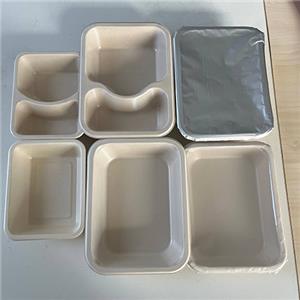
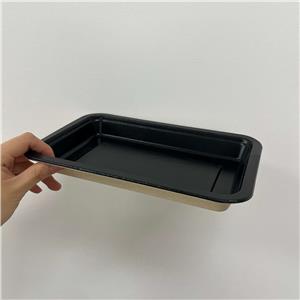
Furthermore, these facilities often produce a wide range of products, including Eco-friendly Food Trays, bowls, and clamshells. This allows B2B buyers to consolidate their sourcing with a single, highly audited manufacturer, reducing logistical complexity and improving the overall ESG profile of their portfolio. Sugarcane bagasse plates wholesale orders are just the beginning of a sustainable partnership with top-tier bagasse plate manufacturers.
The Operational Excellence of Cambodian Bagasse Plate Manufacturers
Cambodia’s success in the eco-friendly food packaging sector is not just due to trade policy; it is driven by massive investment in automated manufacturing technology. The new generation of Cambodian factories is characterized by:
High-Precision Molding: Utilizing advanced thermal pressing machines to ensure that every one of the bagasse plates produced meets exact weight and durability specifications. These machines are a staple for modern bagasse plate manufacturers.
Renewable Energy Integration: Many bagasse plate manufacturers in the region have installed solar arrays and biomass boilers (utilizing excess bagasse fiber) to power their operations, drastically reducing the carbon footprint of their bagasse plates wholesale offerings.
Water Recycling Systems: Advanced closed-loop water systems ensure that the pulping process for sugarcane bagasse plates wholesale does not deplete local resources or pollute the environment. This is a hallmark of responsible eco-friendly food packaging production.
These operational advancements make Cambodia a premier destination for those seeking the highest quality eco-friendly food packaging at scale. As more bagasse plate manufacturers adopt these techs, the market for bagasse plates will only grow, offering better bagasse plates wholesale opportunities for everyone.
The Strategic Pivot for B2B Wholesale Buyers
For wholesalers, the decision-making process in 2026 has become increasingly complex. The cost of a product is now inseparable from the cost of its compliance. A cheaper product that fails an ESG audit is ultimately a much more expensive liability. This is why the migration toward Cambodian bagasse plate manufacturers has accelerated. The demand for bagasse plates is at an all-time high.
When evaluating bagasse plates wholesale opportunities, savvy buyers are looking for the following "Transparency Markers":
Third-Party ESG Certifications: ISO 14001, SA8000, and B Corp certifications are the baseline for any serious player in the eco-friendly food packaging space.
Traceability Records: The ability to provide batch-level data on raw material sourcing for all bagasse plates.
Anti-Dumping Documentation: Clear proof of origin to ensure that sugarcane bagasse plates wholesale shipments are not flagged for secondary tariffs.
Cambodian manufacturers, aware of their position in the global market, have become experts at providing this documentation, making the onboarding process for new B2B clients seeking bagasse plates wholesale seamless and risk-free. These bagasse plate manufacturers are the partners of choice for the next decade of eco-friendly food packaging.
Why 2026 is the Year of Cambodian Bagasse Plates
The "ESG Transparency Race" is reaching its climax. As the 2030 climate goals loom closer, the pressure on the food service industry to adopt truly sustainable and transparent practices will only increase. Bagasse plates are no longer a niche product; they are the standard for responsible dining. The work of bagasse plate manufacturers in Cambodia is making this transition possible.
By choosing bagasse plate manufacturers in Cambodia, B2B buyers are achieving three critical objectives:
Regulatory Compliance: Meeting the strict ESG audit requirements of global retailers for all their bagasse plates.
Economic Security: Avoiding the crippling anti-dumping duties associated with other regions when buying sugarcane bagasse plates wholesale.
Brand Protection: Offering consumers eco-friendly food packaging that is safe, PFAS-free, and ethically produced by world-class bagasse plate manufacturers.
The shift to bagasse plates wholesale models in Cambodia represents a move toward a more resilient, transparent, and sustainable future for the entire food packaging industry. Whether you need bagasse plates or a full suite of eco-friendly food packaging, Cambodia is the place to look in 2026.
Frequently Asked Questions (FAQ)
1. Why are Cambodian bagasse plate manufacturers preferred over traditional hubs in 2026?
Cambodian manufacturers offer a unique combination of tariff-advantaged sourcing (10% U.S. duty, 0% antidumping for HTS 4823.70) and a high level of supply chain transparency. These factories are often newer and built with modern ESG auditing requirements in mind, making them ideal partners for major retailers like Walmart and Costco who buy bagasse plates in bulk.
2. How do bagasse plates contribute to a company's ESG score?
Bagasse plates are made from agricultural waste (sugarcane fiber), meaning they are renewable and compostable. Sourcing them from transparent bagasse plate manufacturers allows companies to report lower Scope 3 emissions and demonstrate a commitment to a circular economy, which significantly boosts their ESG metrics in the eco-friendly food packaging sector.
3. Are bagasse plates wholesale orders from Cambodia subject to anti-dumping duties?
Currently, Cambodia is not subject to the heavy anti-dumping and countervailing duties that have been placed on molded fiber products from other major exporting countries. This makes sugarcane bagasse plates wholesale from Cambodia a much more cost-effective option for North American and European distributors of eco-friendly food packaging.
4. What makes a bagasse plate "PFAS-free"?
Traditional molded fiber products often used PFAS chemicals for grease and water resistance. PFAS-free bagasse plates use innovative, plant-based or bio-wax coatings to achieve the same performance without the use of "forever chemicals," meeting the strict safety standards required in 2026 for all eco-friendly food packaging.
5. Can I source other types of eco-friendly food packaging from Cambodia?
Yes. In addition to bagasse plates, Cambodian facilities are major producers of Eco-friendly Food Trays, bowls, and clamshell containers. This allows for consolidated sourcing of a full range of sustainable packaging solutions from leading bagasse plate manufacturers.
6. How do I verify the transparency of a bagasse plates wholesale supplier?
Look for suppliers that offer "Digital Product Passports" or detailed traceability reports for their bagasse plates. Reputable bagasse plate manufacturers will also hold international certifications such as BRC, ISO, and SEDEX, which verify their social and environmental performance in the eco-friendly food packaging industry.
7. What is the durability of bagasse plates compared to plastic?
Modern bagasse plates produced by leading bagasse plate manufacturers are engineered for high durability. They are oil-resistant, microwave-safe, and freezer-safe, making them a direct and superior functional replacement for many plastic and Styrofoam options in the eco-friendly food packaging sector.
8. Is sugarcane bagasse plates wholesale sourcing scalable for large retailers?
Absolutely. The investment in automation and large-scale manufacturing by Cambodian bagasse plate manufacturers has ensured that they can handle the high-volume demands of global retail chains while maintaining consistent quality and compliance standards for all bagasse plates wholesale orders.
In conclusion, the rise of Cambodian bagasse plate manufacturers is a direct response to the market's demand for transparency and reliability. As the world moves toward a greener future, the "ESG Transparency Race" will continue to separate the leaders from the laggards. For B2B buyers, the path is clear: invest in relationships with transparent, duty-advantaged, and safety-focused suppliers to ensure long-term success in the eco-friendly food packaging industry. The future of bagasse plates has never looked brighter.