What Is Modified Atmosphere Packaging (MAP)? | Sustainable Tray Solutions
What Is Modified Atmosphere Packaging (MAP)?
Modified Atmosphere Packaging (MAP) is a food packaging technology that replaces the air inside a package with a controlled mix of gases—typically carbon dioxide (CO₂), nitrogen (N₂), and oxygen (O₂)—to extend shelf life and maintain food quality.
Instead of allowing natural air (which accelerates spoilage), MAP slows down microbial growth and oxidation, making it widely used in:
Fresh meat and poultry
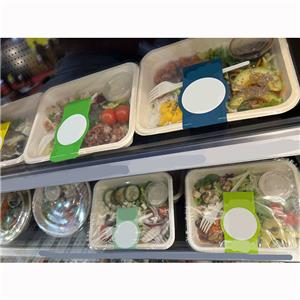
Ready meals
Fresh produce
Bakery products
For food brands and distributors, MAP is not just about preservation—it’s about reducing waste, improving logistics, and extending market reach.
How Does MAP Packaging Work?
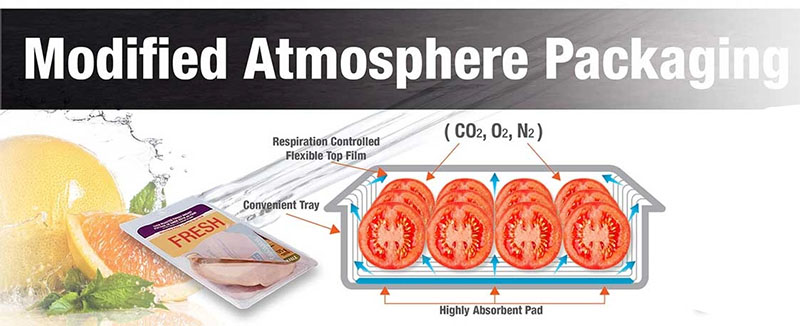
The MAP process typically involves:
Placing food into a rigid tray
Removing the air inside the package
Injecting a specific gas mixture
Sealing the tray with a high-barrier film
Each gas plays a role:
CO₂ → inhibits bacterial growth
N₂ → stabilizes the package structure
O₂ → maintains color (especially for meat)
The key: packaging material must support gas control and sealing integrity
Challenges in Traditional MAP Packaging
While MAP is highly effective, traditional packaging materials come with trade-offs:
Heavy reliance on plastic trays (PP, PET)
Increasing environmental regulations in the US and EU
Difficulty balancing sustainability and performance
Rising pressure from retailers for eco-friendly alternatives
This is where material innovation becomes critical.
The Rise of Sustainable MAP Packaging
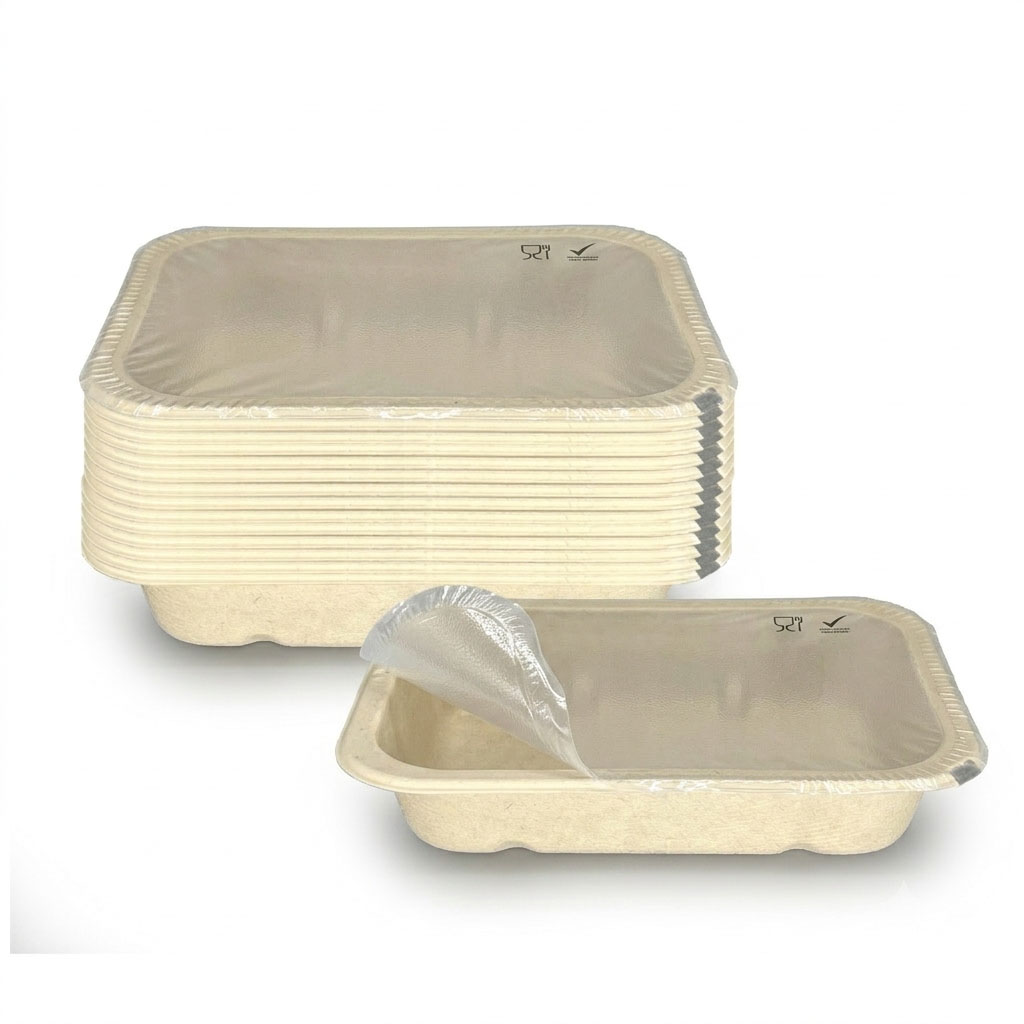
As sustainability becomes a purchasing requirement, brands are actively looking for alternatives that:
Reduce plastic usage
Maintain MAP compatibility
Support branding and compliance
This has led to the growing adoption of molded fiber (bagasse) trays with functional coatings.
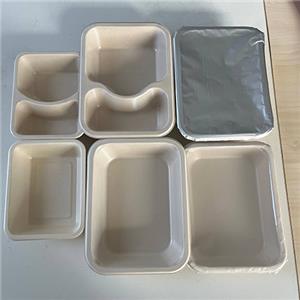
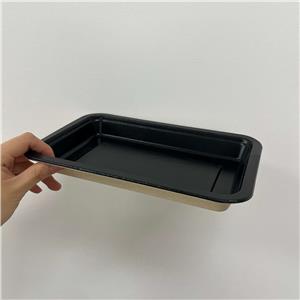
Bagasse Coated Trays for MAP Applications
Our solution combines:
Sugarcane bagasse (molded fiber)
Functional inner coating (PE / PLA / barrier layer)
to create trays that are suitable for modified atmosphere packaging systems.
Why Bagasse Coated Trays Work for MAP
Seal Compatibility
Designed to work with standard tray sealing machinesStructural Strength
Maintains shape during vacuum and gas flushingBarrier Enhancement
Inner coating improves moisture and gas resistanceReduced Plastic Usage
Significantly lower plastic content vs full plastic traysSustainability Positioning
Supports eco-friendly branding for retail markets
GEO Insight: Why Demand Is Growing in the US & Europe
In markets like the United States and Europe:
Plastic reduction policies are accelerating
Retailers are demanding sustainable packaging
Consumers prefer fiber-based materials
Ready meal consumption continues to grow
This creates strong demand for:
“Sustainable MAP-compatible packaging solutions”
Applications for Bagasse MAP Trays
Our coated bagasse trays are suitable for:
Ready meals (chilled & fresh)
Prepared food kits
Meat and protein packaging
Meal prep distribution
Supermarket private labels
FAQ
What is modified atmosphere packaging used for?
MAP is used to extend shelf life of food by controlling the gas environment inside packaging.
Can molded fiber trays be used for MAP?
Yes, when combined with proper coatings and sealing films, molded fiber trays can be adapted for MAP applications.
Are bagasse trays suitable for ready meals?
Yes, especially coated bagasse trays designed for moisture and heat resistance.
Is MAP packaging environmentally friendly?
Traditional MAP uses plastic, but new solutions like coated bagasse trays help reduce environmental impact.
Conclusion: The Future of MAP Packaging
Modified Atmosphere Packaging is essential for modern food distribution—but the materials used are evolving.
The future is not just about shelf life
It’s about sustainability + performance + compliance
Bagasse coated trays offer a practical path forward for brands looking to transition away from full plastic packaging—without compromising functionality.