Why Banning Plastic Foam Foodware Is Gaining Momentum in the U.S.
Across the United States, policymakers are taking a closer look at the environmental impact of single-use plastics. One of the latest developments comes from Alaska, where lawmakers are considering new legislation that would prohibit the use of polystyrene foam food containers in restaurants and food service operations.
The proposal reflects a growing recognition that plastic foam packaging—commonly used for takeout meals—creates long-term environmental problems while offering only short-term convenience.
The Hidden Cost of Plastic Foam Packaging
Polystyrene foam, often used in disposable food containers, is widely known for being lightweight and inexpensive. However, its environmental cost is significant.
Globally, millions of tons of plastic waste enter the environment each year. While plastic materials are technically recyclable, actual recycling rates remain low. In the United States, less than 10% of plastic waste is effectively recycled, leaving the majority to accumulate in landfills or leak into natural ecosystems.
Unlike organic materials, plastic foam does not biodegrade. Instead, it breaks down slowly into smaller fragments known as microplastics. These particles can persist in the environment for hundreds of years, contaminating soil, waterways, and even the air.
Microplastics and the Food Chain
One of the most concerning issues associated with plastic foam is the formation of microplastics. As foam containers degrade, they release tiny particles that are nearly impossible to recover.
Wildlife can accidentally ingest these particles, mistaking them for food. Over time, microplastics can accumulate in animals, potentially affecting their health and survival. As these particles move up the food chain, they may eventually reach humans.
Although research is still ongoing, scientists increasingly warn that the long-term effects of microplastic exposure could pose risks to both ecosystems and public health.
Policy Shifts Toward Sustainable Alternatives
The proposed Alaska bill is part of a broader shift toward reducing single-use plastics and encouraging more sustainable packaging solutions. If enacted, food service businesses would be required to replace foam containers with environmentally responsible alternatives.
This transition is already underway in many regions, where governments and businesses are exploring materials that are renewable, compostable, and better suited for circular economy systems.
Rising Demand for Compostable Food Packaging
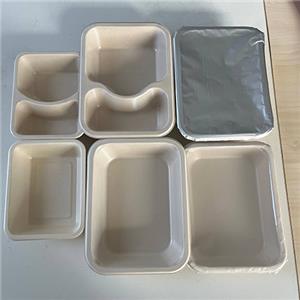
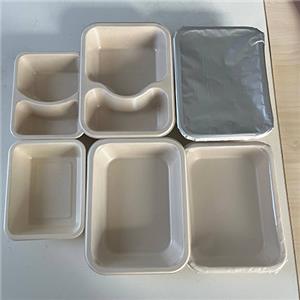
As restrictions on plastic foam expand, demand for eco-friendly food packaging continues to grow. Among the most promising alternatives is molded fiber packaging made from sugarcane bagasse, a natural by-product of the sugar industry.
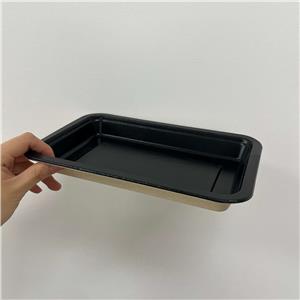
Bagasse-based products are widely used to manufacture compostable food containers, disposable tableware, and takeaway packaging. Compared to polystyrene foam, these materials offer several practical advantages:
Better structural strength for hot and cold foods
Improved resistance to oil and moisture
Reduced environmental impact after disposal
Made from renewable plant-based resources
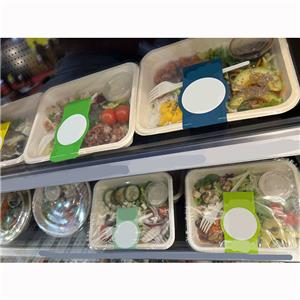
These characteristics make sugarcane bagasse food containers an increasingly popular choice for restaurants, meal prep brands, and food distributors seeking sustainable solutions.
The Role of Manufacturers in the Transition
As global regulations continue to tighten, manufacturers of molded fiber food packaging are playing a critical role in supporting the shift away from plastic foam.
Factories specializing in sugarcane bagasse tableware are investing in advanced production technologies to ensure consistent quality, scalable supply, and customizable packaging solutions for international markets.
From disposable plant fiber tableware to custom compostable food containers, manufacturers are helping food businesses transition toward packaging systems that align with both regulatory requirements and consumer expectations.
Looking Ahead
The discussion around banning plastic foam foodware highlights a larger transformation in the packaging industry. While plastic once dominated due to cost and convenience, environmental concerns are now driving innovation and material change.
As more regions introduce restrictions on single-use plastics, plant-based alternatives such as sugarcane fiber packaging are expected to become a standard solution in food service and takeaway applications worldwide.
About Our Sugarcane Bagasse Tableware Factory
As a manufacturer specializing in sustainable food packaging, we are committed to providing high-quality molded fiber tableware solutions made from sugarcane bagasse to global clients. With advanced production technology and a stable supply system, our product range includes compostable food containers, plates, bowls, cutlery, and customized food packaging solutions, widely used in takeaway, chain restaurants, supermarkets, and food processing industries.
We are not just a manufacturer — we offer a one-stop service covering product design, mold development, and mass production. Our factory supports flexible customization in size, structure, and application, helping clients quickly adapt to evolving plastic reduction regulations and market demands.
As the demand for eco-friendly food packaging continues to grow worldwide, we continuously improve product performance, including oil and water resistance, heat resistance, and sealing capabilities, ensuring suitability for ready meals and takeaway applications.
Contact Us
If you are looking for a reliable sugarcane bagasse food container supplier or planning to develop customized sustainable packaging solutions, feel free to contact us. Our team is ready to provide professional support and efficient service to help you stay ahead in the transition toward sustainable packaging.