Are Papa Murphy’s Pizza Trays Compostable? What Customers Should Know
When customers search “are Papa Murphy’s pizza trays compostable”, they’re usually trying to answer a simple question:
Can I throw this pizza tray into my compost bin instead of the trash?
With sustainability becoming a bigger part of food packaging decisions, understanding what pizza trays are made from — and whether they truly break down — matters more than ever.
Let’s take a closer look.
What Are Papa Murphy’s Pizza Trays Made Of?
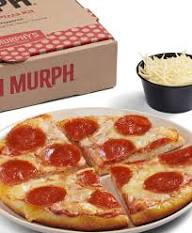
Papa Murphy's is known for its take-and-bake pizza model. Customers pick up fresh, uncooked pizzas and bake them at home — typically with the pizza sitting directly on the tray it came in.
Most of these trays are made from:
Paperboard or corrugated cardboard
A moisture- and grease-resistant coating
Sometimes a light inner liner for structural strength
At first glance, they look compostable because they’re fiber-based. But compostability depends on more than appearance.
Are They Actually Compostable?
The short answer: It depends on the coating and local composting rules.
Here’s why:
1️⃣ Grease Contamination
Pizza trays absorb oils and cheese residue during baking. Heavy grease contamination can prevent paper products from being accepted in recycling or compost programs.
2️⃣ Plastic or Chemical Coatings
Some trays include thin plastic or chemical-resistant layers to prevent sogginess. If the tray has a polyethylene (PE) lining, it may not be accepted in traditional compost systems.
3️⃣ Local Composting Standards
Municipal composting facilities vary widely. Some accept coated paper products; others reject them entirely.
So while the tray is fiber-based, it is not automatically certified compostable in every region.
How to Check if a Pizza Tray Is Compostable
Before tossing it into compost, check:
Is there a compostable certification logo?
Does your local compost facility accept coated paperboard?
Is the tray heavily soaked in grease?
If it’s extremely greasy, most facilities recommend disposing of it as general waste.
The Bigger Packaging Question: Can Pizza Trays Be Designed for Compostability?
Absolutely — but they must be engineered for it.
Traditional pizza trays are designed primarily for:
Heat resistance
Grease barrier performance
Structural stability during baking
Compostability often comes second.
However, newer materials are changing that balance.
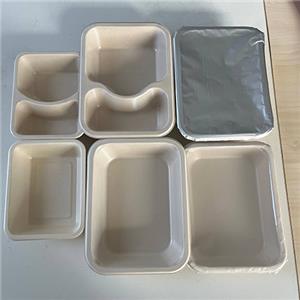
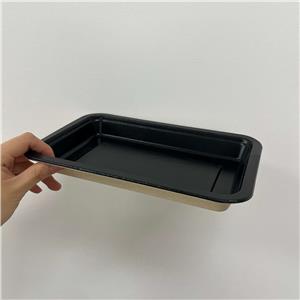
A More Sustainable Alternative: Bagasse Pizza Trays
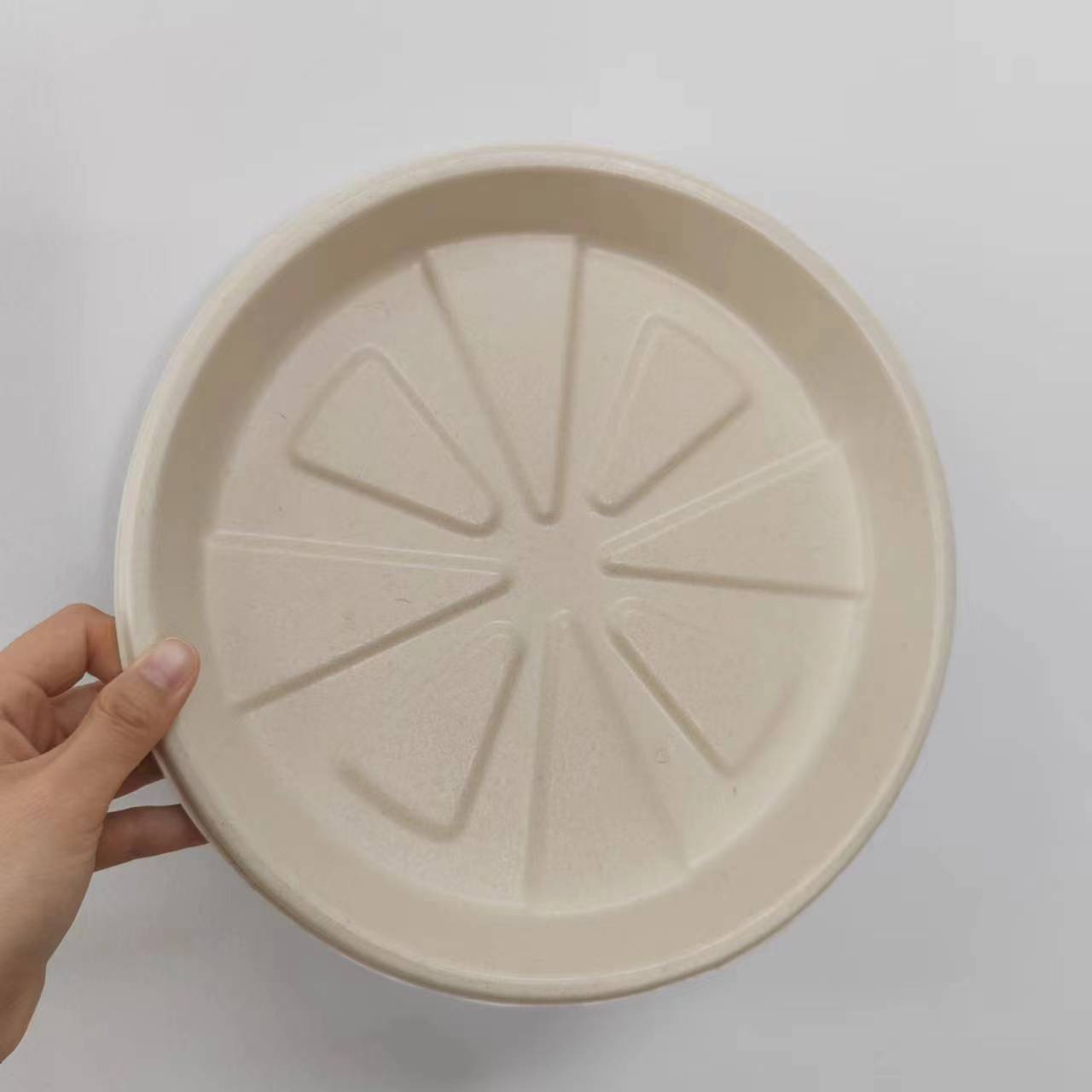
Bagasse is a natural fiber material made from sugarcane pulp — a byproduct of sugar production. Instead of being discarded or burned, it’s molded into durable food packaging.
Bagasse pizza trays offer several advantages:
Strong heat resistance for oven baking
Natural fiber base
Reduced reliance on virgin paperboard
Potential industrial compostability when properly designed
Unlike standard cardboard trays, molded fiber trays can be manufactured with optimized grease resistance while maintaining compost-friendly properties (depending on coating selection).
What About Coatings?
This is where details matter.
Some bagasse trays use:
PLA (plant-based bioplastic) coatings
Water-based barrier technology
Thin PE lining (for enhanced grease resistance)
The final compostability depends on which barrier is applied.
At our manufacturing facility, we produce bagasse pizza trays with customizable coating options, allowing food brands to balance:
Heat resistance
Oil barrier performance
Compostability goals
Cost efficiency
For brands targeting eco-conscious consumers, compost-certified solutions can be developed. For brands prioritizing maximum grease resistance, lined versions are available.
Why Pizza Brands Are Rethinking Trays
Consumers are increasingly asking:
Is this recyclable?
Is this compostable?
Is this better than plastic?
Large chains, meal kit companies, and take-and-bake brands are under pressure to reduce packaging waste.
Fiber-based molded trays — including bagasse pizza trays — provide a modern alternative to conventional paperboard or plastic-laminated options.
Final Answer: Are Papa Murphy’s Pizza Trays Compostable?
In most cases, they are fiber-based but not universally compostable, especially if coated or heavily grease-soaked.
If compostability is a priority, it’s important to verify certification and local acceptance rules.
For pizza brands looking to move toward more sustainable packaging, molded bagasse trays offer a promising path forward — combining oven performance with improved environmental positioning.
FAQ (Optimized for Featured Snippets)
Are pizza trays compostable?
Some are, but only if they are made from uncoated or certified compostable fiber and are accepted by local compost facilities.
Can greasy cardboard go into compost?
Light grease may be acceptable in industrial composting. Heavily saturated cardboard is usually rejected.
Are molded fiber pizza trays compostable?
They can be, depending on the coating used. PLA or certified compostable barriers are typically required.
Are plastic-lined pizza trays compostable?
No. If a tray contains a polyethylene lining, it generally cannot be composted in standard systems.