How to Heat Up Food in an Aluminium Tray: Safe Methods and Better Alternatives
Aluminium trays are widely used for ready meals, takeaway dishes, and catering services. They are lightweight, affordable, and heat-resistant — which makes them ideal for oven reheating.
But many consumers and food businesses still ask:
How do you properly heat up food in an aluminium tray? And is it always the best option?
Let’s walk through safe reheating methods, common mistakes to avoid, and when alternative packaging may be a smarter choice.
Can You Heat Food in an Aluminium Tray?
Yes — but only in certain appliances.
Aluminium trays are safe for:
Conventional ovens
Toaster ovens
Some air fryers (if size fits safely)
They are not safe for microwave ovens, unless specifically labeled and used under controlled conditions.
Why? Because metal reflects microwaves instead of absorbing them, which can cause sparking and uneven heating.
How to Heat Food in an Aluminium Tray in the Oven
If you're using a conventional oven, follow these steps:
1. Preheat the Oven
Set the temperature according to the food instructions (typically 160–200°C / 320–400°F).
2. Remove Plastic Lid or Film
Never place plastic lids inside the oven unless clearly marked oven-safe.
3. Place Tray on a Baking Sheet
For better stability and easier handling.
4. Heat Evenly
Heat for the recommended time. Stir halfway through if possible for even warming.
5. Let It Rest
Allow food to sit for 1–2 minutes after heating to stabilize temperature.
Aluminium distributes heat efficiently, making it ideal for baked dishes like lasagna, roasted vegetables, and casseroles.
Why Aluminium Should Not Go in the Microwave
Microwaves work by exciting water molecules inside food. Metal does not absorb these waves — it reflects them.
This can result in:
Sparks (arcing)
Uneven heating
Potential appliance damage
Some newer microwave models claim compatibility with certain aluminium containers, but this requires precise positioning and manufacturer approval.
For general consumer safety, aluminium trays should not be microwaved.
The Limitation of Aluminium for Modern Food Packaging
While aluminium performs well in ovens, modern food service increasingly relies on microwave reheating.
Today’s consumers expect:
Fast reheating
Direct-from-pack convenience
Safe microwave compatibility
Sustainable packaging options
This shift has encouraged many brands to explore fiber-based alternatives.
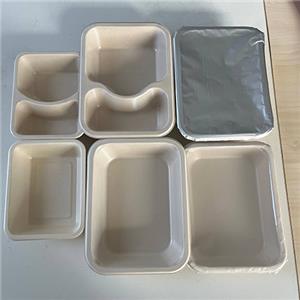
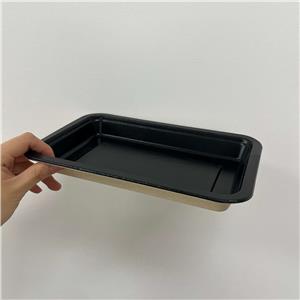
A Practical Alternative: Bagasse Coated Food Containers
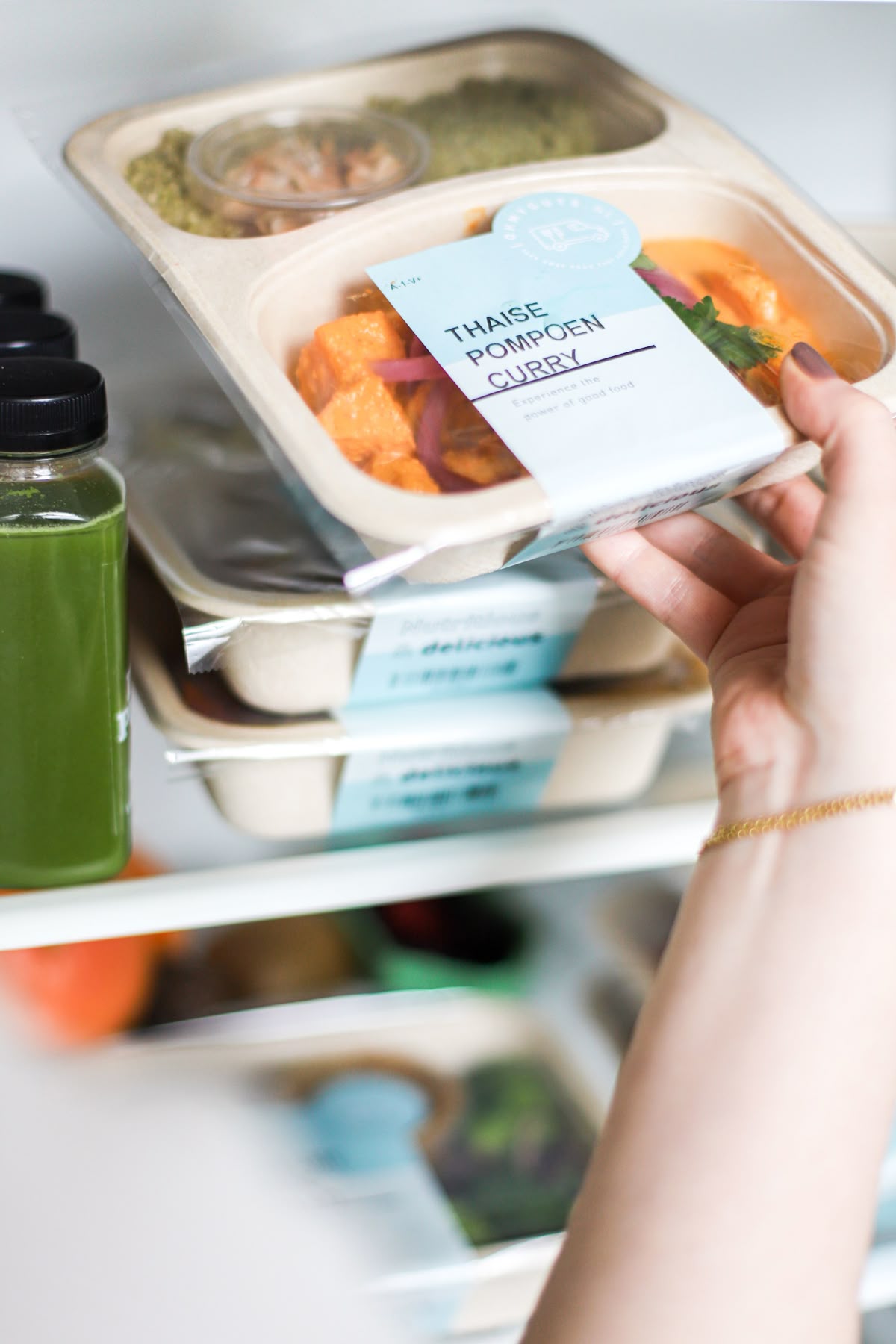
Bagasse containers are made from molded sugarcane fiber pulp. To improve oil and moisture resistance, they are typically produced with a thin plastic lining (PE or PLA).
It’s important to clarify:
These are fiber-based containers with a plastic barrier layer — not completely plastic-free products.
However, they offer several practical advantages for reheating applications.
Can Bagasse Coated Containers Be Microwaved?
Yes — when properly manufactured and certified, high-quality bagasse coated containers are suitable for microwave reheating.
They provide:
Structural stability under steam
Oil and moisture resistance
Controlled coating thickness
Reduced plastic content compared to full plastic trays
Unlike aluminium trays, they can go directly from refrigerator to microwave without transferring food to another dish.
This improves user convenience and supports ready-meal distribution.
When Should You Choose Aluminium vs. Fiber Containers?
Aluminium Tray is Ideal For:
Oven-baked meals
Catering operations
High-temperature roasting
Long heat retention
Bagasse Coated Container is Ideal For:
Microwave reheating
Ready-to-eat meals
Takeaway services
Plastic reduction initiatives
Choosing the right packaging depends on heating method, food type, and customer expectations.
What Should Food Brands Consider?
When selecting reheating packaging, check for:
Microwave safety certification
Food-contact compliance (FDA / LFGB)
Heat resistance performance
Leak-proof design
Manufacturing consistency
Packaging is no longer just about holding food — it directly affects user experience and brand perception.
Final Thoughts
Heating food in an aluminium tray is safe and effective — as long as you use a conventional oven and follow proper precautions.
However, as microwave reheating becomes the dominant consumer preference, fiber-based solutions like bagasse coated food containers provide a more flexible and convenient alternative.
Modern food packaging must balance:
Heat performance
Safety
Sustainability
Consumer convenience
Understanding how each material behaves under heat allows food businesses to make smarter packaging decisions.