Can Cardboard Takeaway Boxes Be Microwaved? A Clear Guide for Food Brands
Reheating takeaway food in the microwave is common practice. But before putting the entire box inside, many people hesitate and ask:
Can cardboard takeaway boxes be microwaved safely?
The answer depends on the material structure — not just the word “cardboard.”
For restaurants, ready-meal brands, and food manufacturers, this question is more than a convenience issue. It directly affects food safety, customer experience, and regulatory compliance.
Let’s take a closer look.
Are All Cardboard Takeaway Boxes Microwave Safe?
No.
Most takeaway boxes described as “cardboard” are actually multi-layer structures, typically made of:
A paperboard outer layer
A plastic lining (usually PE or PLA)
Printing inks and adhesives
The plastic lining is added to prevent oil and moisture leakage. However, that same lining determines whether the container can handle microwave heat.
Cardboard alone does not guarantee microwave safety.
What Happens When You Microwave Cardboard Boxes?
Performance varies depending on structure and coating.
Plain Paperboard (No Lining)
May tolerate short reheating
Absorbs moisture easily
Weakens under steam
PE-Lined Cardboard
Generally safe for short reheating
May soften under high heat
Not suitable for long cooking cycles
Wax-Coated Paperboard
Wax can melt or separate
Higher risk of leakage
The key takeaway:
The lining and manufacturing quality matter more than the term “cardboard.”
What About Reheating Saucy or Oily Food?
Foods with high moisture or oil content generate significant steam and concentrated heat.
For example:
Rice with curry
Pasta with sauce
Stir-fried dishes
Under these conditions, low-density paperboard may:
Lose rigidity
Soften at the bottom
Leak at the corners
This is where structural strength becomes critical.
Why Many Brands Are Moving Beyond Traditional Cardboard
Modern food packaging must balance:
Microwave compatibility
Oil and water resistance
Food-contact compliance
Sustainability targets
Regulatory requirements
Traditional cardboard often struggles to meet all of these needs at the same time.
As a result, molded fiber packaging solutions have gained attention.
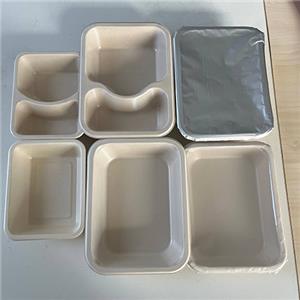
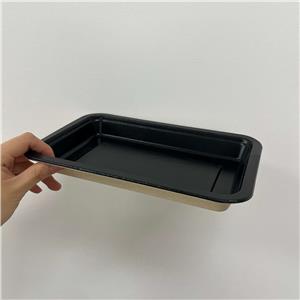
What Is a Bagasse-Coated Takeaway Box?
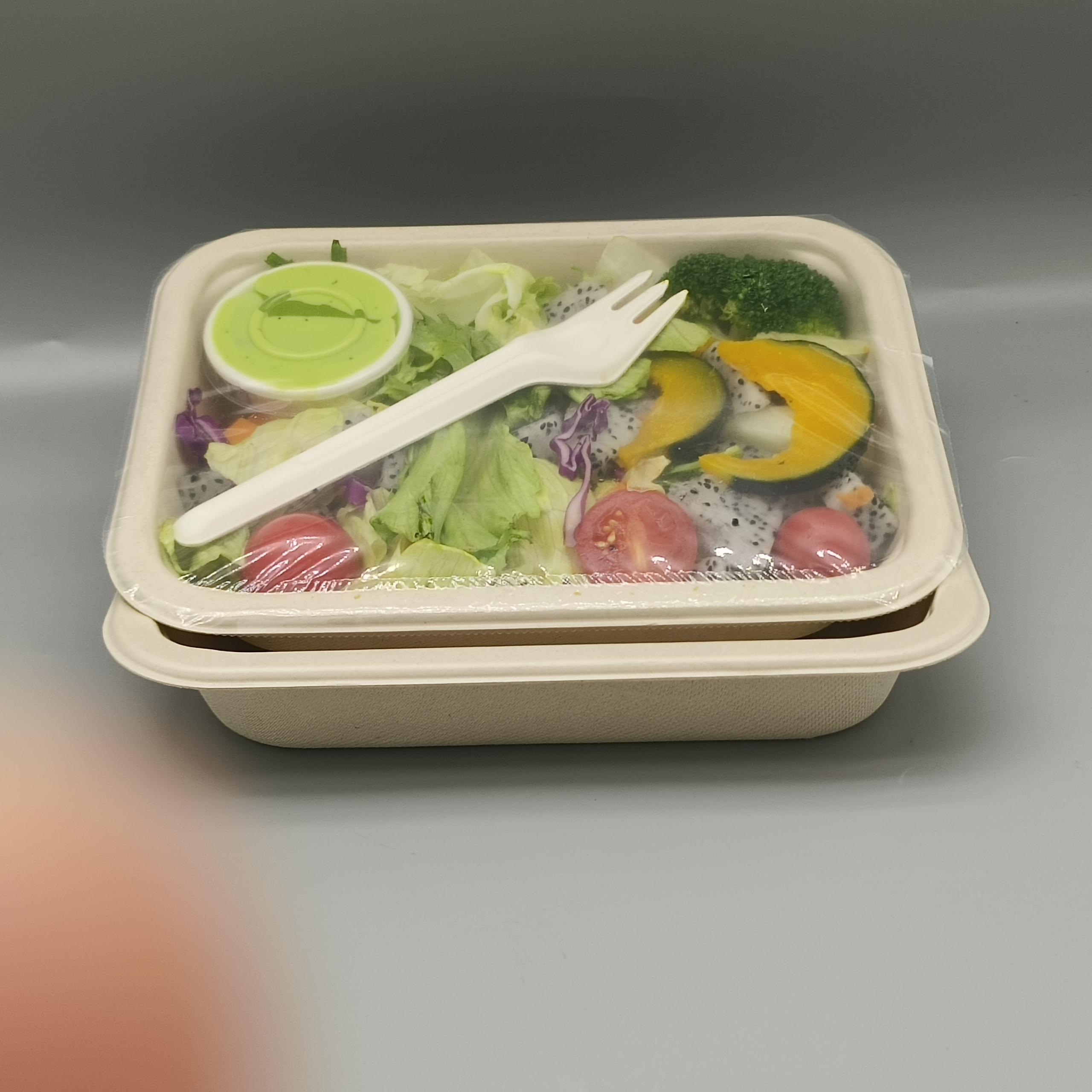
Bagasse takeaway boxes are made from molded sugarcane fiber pulp.
However, to provide oil and moisture resistance, most commercial versions include a thin plastic lining (typically PE or PLA).
It’s important to clarify:
Bagasse-coated containers are not completely plastic-free.
They are fiber-based structures with a plastic barrier layer.
This makes them a plastic-reduced solution, rather than a zero-plastic one.
Can Bagasse-Coated Takeaway Boxes Be Microwaved?
Yes — when properly manufactured and tested, bagasse-coated takeaway boxes are microwave safe for reheating.
Their performance comes from:
Rigid molded fiber structure
Controlled plastic lining thickness
High-density compression molding
Designed use for reheating applications
They are widely used in:
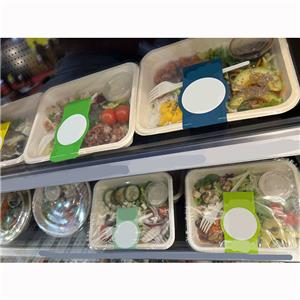
Ready meals
Meal prep packaging
Supermarket hot food
Airline catering
Compared to low-grade paperboard, they generally provide better steam resistance and structural stability during reheating.
Are They Better Than Traditional Cardboard?
In many hot-food applications, yes.
High-quality bagasse-coated containers typically offer:
Stronger structural integrity
Better steam resistance
More reliable oil barrier
Reduced overall plastic usage compared to full plastic trays
While they do contain a plastic lining, the total plastic content is significantly lower than fully plastic containers.
What Should Buyers Look For?
When sourcing microwave-compatible takeaway packaging, check for:
Verified microwave safety testing
Food-contact certification (FDA, LFGB, etc.)
Controlled coating thickness
Consistent fiber density
Stable manufacturing quality
Microwave performance depends on engineering and quality control — not just material labels.
Final Thoughts
So, can cardboard takeaway boxes be microwaved?
Sometimes — but only if they are specifically designed and tested for it.
For brands seeking improved performance while reducing plastic usage, bagasse-coated takeaway boxes offer a balanced approach:
Fiber-based main structure
Functional plastic lining
Reliable microwave reheating
Reduced plastic compared to fully plastic trays
Modern food packaging is about structure, safety, and sustainability working together.
Choosing the right material system makes all the difference.