Are Paper Cups Compostable? A Practical Guide for Buyers
Many people assume that because paper cups look like paper, they must be compostable or recyclable — but this is not always true. When searching “are paper cups compostable”, you’ll find some surprising facts about what “compostable” really means, and what to look for when purchasing eco-friendly beverage cups.
In this guide, we’ll explain:
What makes a paper cup compostable
Why most paper cups aren’t truly compostable
How certification affects real compostability
And how bagasse cups (made from sugarcane fiber) offer a better sustainable alternative
1. What Does “Compostable” Really Mean?
A product labeled compostable must be able to break down completely without toxic residues under specific composting conditions and return to the soil as carbon dioxide, water, and biomass. Compostable products are often certified against standards like ASTM D6400 or EN 13432 to prove they meet these requirements.
It’s important to note that:
Compostable ≠ recyclable
Most recycling systems cannot separate coatings used in disposable cups
Compostable items should go into industrial composting, not regular recycling bins
2. Why Most Paper Cups Are Not Truly Compostable
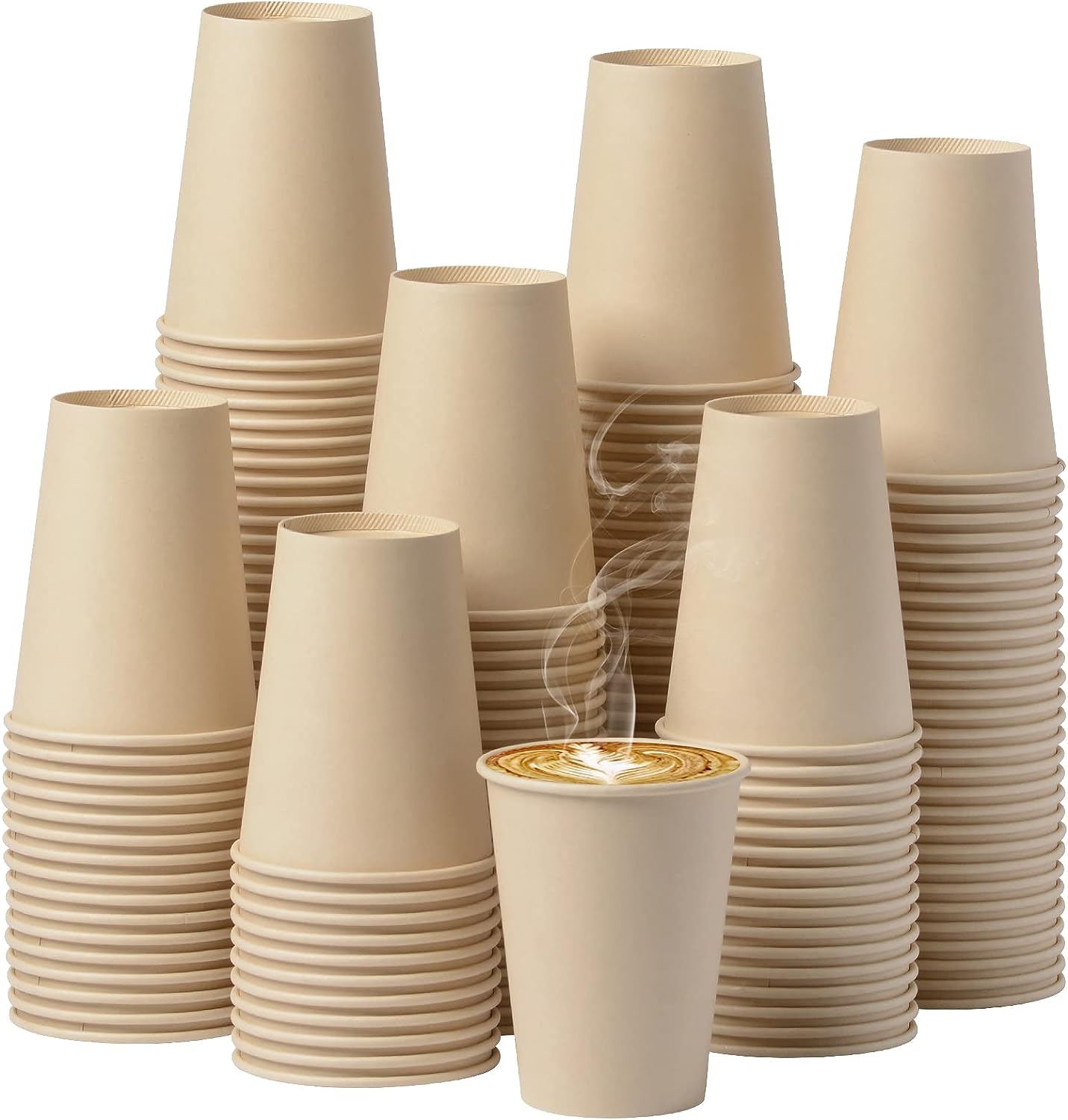
At first glance, it seems intuitive that a paper cup should degrade naturally — after all, paper itself is organic. However, most paper cups used for coffee, soda, or other beverages have a waterproof plastic or wax lining. These linings:
prevent leaks
help the cup hold hot or cold liquids
but also stop the cup from composting or recycling properly
In other words: the outer paper may look natural, but the inner coating can make the cup non-compostable in real composting environments.
Even if a cup claims to be compostable, it often requires a commercial industrial composting facility to break down properly — facilities that aren’t available everywhere. That means if you throw one in your backyard compost heap or curbside recycling bin, it might just end up in landfill.
3. What to Look For: Certified Compostable Cups
If you want a disposable cup that really composts:
✔ Look for certification logos from reputable organizations
BPI (Biodegradable Products Institute)
DIN CERTCO
OK COMPOST INDUSTRIAL
✔ Avoid cups with plastic linings that are NOT bio-based
✔ Choose products designed to break down within a defined timeframe under composting conditions
⚠️ Even certified cups are best handled through industrial composting, not home piles or recycling bins.
A Better Eco Alternative: Bagasse Cups From Our Factory
While certified paper cups with compostable linings are an improvement over traditional plastic-lined options, there’s an even more sustainable choice: bagasse cups.
🌱 What Are Bagasse Cups?
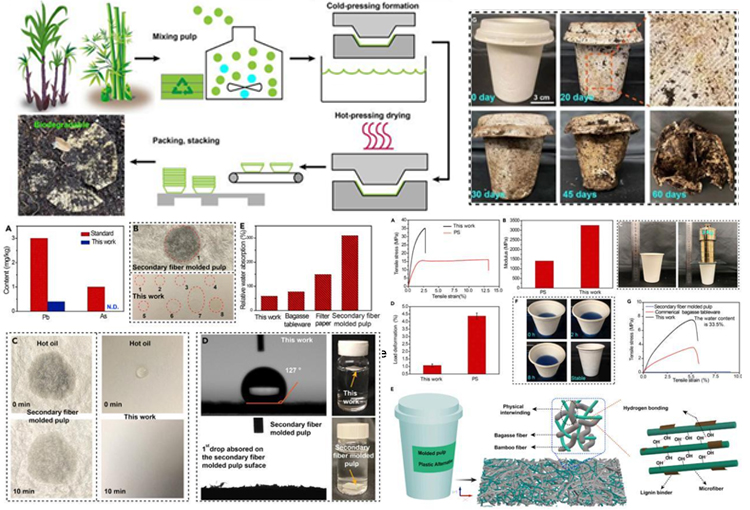
Bagasse is the fibrous residue left after extracting juice from sugarcane. Rather than discarding this agricultural by-product, it can be:
pulped
molded
dried
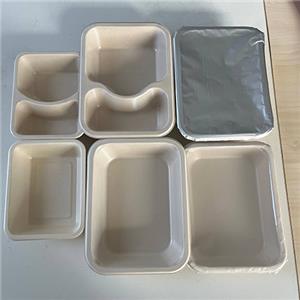
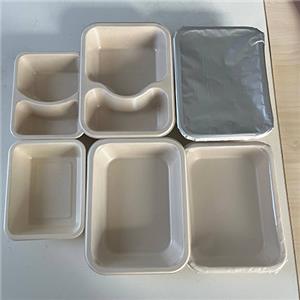
and formed into cups, bowls, plates, and containers
Bagasse cups are:
✔ Made entirely from renewable plant fiber
✔ Naturally compostable under industrial conditions
✔ Free from petroleum plastics and difficult coatings
✔ Strong and heat-resistant enough for hot and cold drinks
This makes them a truly eco-friendly alternative to both conventional paper cups and many so-called compostable paper cups on the market today.
Why Bagasse Cups Are Easier to Compost
Unlike paper cups with hidden plastic or wax coatings:
Bagasse products are homogeneous plant fiber, which means they have no barriers to composting
They are suitable for industrial composting facilities
Over time they break down into harmless natural materials
This gives buyers confidence that when they choose bagasse, they’re making a more reliable sustainable choice compared with coated paper cups that may never fully compost.
Key Benefits of Bagasse Cups
Here’s a quick snapshot of why bagasse cups are a smarter eco choice:
| Feature | Traditional Paper Cup | Certified Compostable Cup | Bagasse Cup |
|---|---|---|---|
| Materials Mostly paper with plastic lining | Paper + bio-plastic (PLA) coating | 100% sugarcane fiber | |
| Industrial Compostable ❌ | ✅ (needs certified conditions) | ✅ | |
| Recyclable ❌ | Varies | Not the intended disposal method | |
| Breaks down fully | No | Yes | Yes |
| Truly plastic-free | No | Sometimes | Yes |
Tips for Buyers: What to Ask Your Supplier
When sourcing cups, ask about:
✔ Certified compostability (BPI, DIN, EN standards)
✔ Material composition (no hidden plastic layers)
✔ Breakdown timeframe in compost facilities
✔ Performance characteristics for hot and cold drinks
These ensure not just an eco-friendly claim — but real, measurable compostability.
Summary: Are Paper Cups Compostable?
Not all paper cups are compostable — many contain plastic or wax linings.
Certified compostable cups exist, but may still require industrial composting infrastructure.
Bagasse cups offer a more reliable, plastic-free alternative that breaks down naturally.
Choosing the right eco-friendly cup means looking beyond marketing claims and understanding materials, certifications, and disposal conditions — and that’s exactly where bagasse products shine.
FAQ
Q1: Are paper cups compostable at home?
No. Most paper cups require industrial composting and will not break down properly in home compost systems.
Q2: Why do paper cups contain plastic lining?
The lining prevents leaks but also makes most paper cups non-compostable and non-recyclable.
Q3: Are bagasse cups better than compostable paper cups?
Yes. Bagasse cups are made from single plant fiber material and compost more reliably without hidden plastic layers.
Q4: Are bagasse cups safe for hot drinks?
Yes. High-quality bagasse cups are heat resistant and suitable for hot beverages.
Q5: Do bagasse cups require special disposal?
They are best handled by industrial composting facilities but are more forgiving than coated paper cups.