What Are the Trends in Sustainable Food Packaging?
Sustainable food packaging is no longer a niche topic — it has become a business imperative for brands, retailers, and food service operators around the world. As consumers, governments, and major corporations push for reduced waste and lower environmental impact, packaging trends are adapting rapidly.
This article explores the major trends shaping sustainable food packaging today, why they matter, and how eco-friendly materials such as bagasse tableware are offering practical solutions for buyers and businesses alike.
1. From Plastic to Plant-Based Materials
One of the clearest trends in food packaging is the shift away from traditional petroleum-based plastics towards plant-derived materials. This includes:
paper and cardboard
PLA (polylactic acid)
sugarcane bagasse
wheat straw fiber
other agricultural by-products
Why this matters:
Plastic waste continues to accumulate in landfills and oceans, prompting regulatory bans and consumer demand for alternatives. Plant-based packaging can be composted or recycled more easily, reducing long-term environmental impact.
2. Compostability and Circularity
Consumers want to know that packaging doesn’t just claim to be green — it actually breaks down safely.
This has driven interest in:
composable packaging
verified industrial composting standards
packaging that fits into a circular economy
Instead of ending up in landfill, these materials can become nutrients for soil or be reused in high-value applications.
Brands that can demonstrate third-party certification of compostability are gaining trust with eco-driven buyers.
3. Regulations and Policy Influence
Across Europe, North America, and parts of Asia, governments are:
banning single-use plastics
imposing taxes on non-recyclable packaging
requiring recyclable or compostable alternatives
This shift is forcing food manufacturers and retailers to rethink every packaging component, from drink cups to takeaway food containers.
4. Consumer Expectations and Brand Responsibility
Today’s consumers want packaging that aligns with their values. According to research, buyers are more likely to choose a product with:
✔ sustainable certification
✔ transparent material sourcing
✔ clear end-of-life disposal instructions
When packaging design aligns with eco-friendly messaging, brands can build trust and loyalty.
5. Functional Sustainability — Not Just Marketing
It’s not enough for packaging to look green. It must perform well in real-world use:
resist heat and moisture
maintain structural integrity
protect food quality
be easy to dispose of properly
This is where many eco alternatives fall short — unless they are engineered specifically for food use.
6. Innovation in Biodegradable Tableware
A key trend in sustainable food packaging is biodegradable tableware — especially for catering, takeaway, and food service operations.
Materials leading this trend include:
PLA coated paper
wheat straw fiber
sugarcane bagasse
Among these, bagasse is increasingly preferred because it combines:
🌱 plant-based sustainability
🍽 good heat and oil resistance
♻ industrial compostability
🏭 strong physical structure for food service needs
Bagasse Tableware: A Practical Trend-Driven Solution
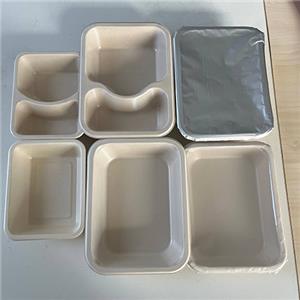
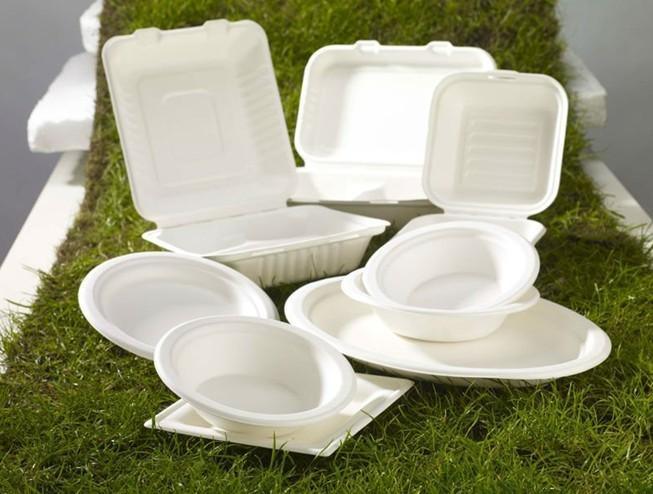
Bagasse tableware is derived from the fibrous residue left after extracting juice from sugarcane. Traditionally an agricultural waste product, bagasse is now transformed into:
plates and bowls
cups and trays
clamshell boxes
take-out containers
Why Bagasse Works
✔ Renewable resource: It comes from crop residue, not virgin forests.
✔ Compostable: Breaks down in industrial composting facilities.
✔ Food safe: Suitable for hot, cold, oily, and moist foods.
✔ Performance: Durable and functional in real food environments.
Compared to traditional paper and some bio-plastics, bagasse offers real, functional sustainability — the kind that meets both environmental goals and operational needs.
Trends + Buyer Needs: What Companies Are Looking For
Here’s what procurement teams and food brands are prioritizing:
| Trend | What Buyers Want |
|---|---|
| Less Plastic | Plastic-free options |
| Verified Sustainability | Certified compostability |
| Functional Performance | Heat, oil, moisture resistance |
| Cost-Effective Solutions | Value + quality |
| Supplier Transparency | Material traceability |
Bagasse tableware checks all these boxes — and this is one reason we see it growing fast in food service, retail, and catering sectors.
Why Choose Bagasse Tableware From a Factory Supplier
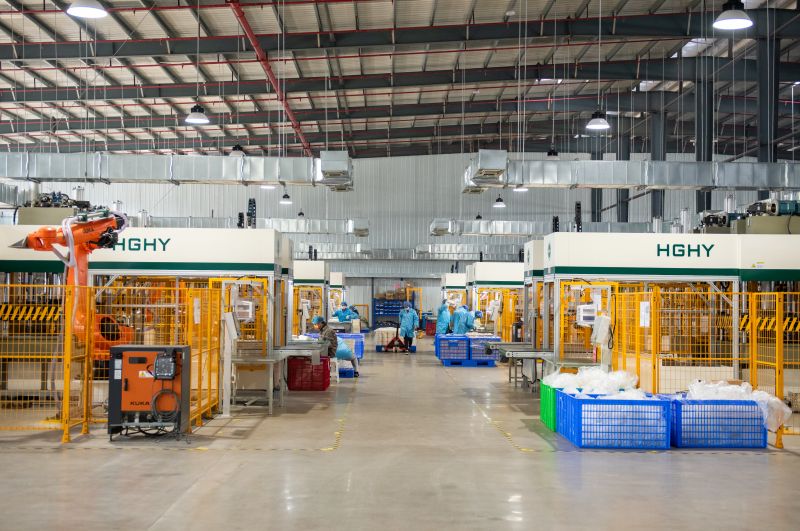
As sustainable food packaging grows in importance, the choice of supplier matters. Working directly with a factory manufacturer ensures:
🔹 Raw Material Control
We use high-quality sugarcane fiber pulp with minimal impurities.
🔹 Consistent Product Quality
Strict quality checks throughout production process.
🔹 Customization Flexibility
OEM/ODM support for size, thickness, logo, and packaging.
🔹 Certification Support
Food contact & compostability certificates as needed.
🔹 Stable Supply Chain
No middleman markup, predictable delivery timelines.
Final Thoughts: Sustainable Food Packaging Is Here to Stay
The shift to sustainable food packaging is not a temporary trend — it’s a new baseline expectation for brands, consumers, and regulators. As companies seek packaging that performs and protects the planet, materials like bagasse are leading the way.
If you’re looking for eco-friendly tableware that meets both environmental and operational needs, bagasse products offer a compelling, scalable solution — backed by real performance and growing market acceptance.