Can You Freeze Food in Meal Prep Containers? A Practical Guide for Food Businesses
Meal prep has become a standard practice for restaurants, central kitchens, meal delivery services, and food manufacturers. As freezing becomes part of the workflow, a common question appears again and again in Google searches:
Can you freeze food in meal prep containers?
The short answer is yes — but only if the container is designed for freezing.
The long answer matters much more, especially if you are running a food business.
This guide explains what works, what doesn’t, and how modern coated bagasse meal prep trays are becoming a reliable freezing-friendly solution.
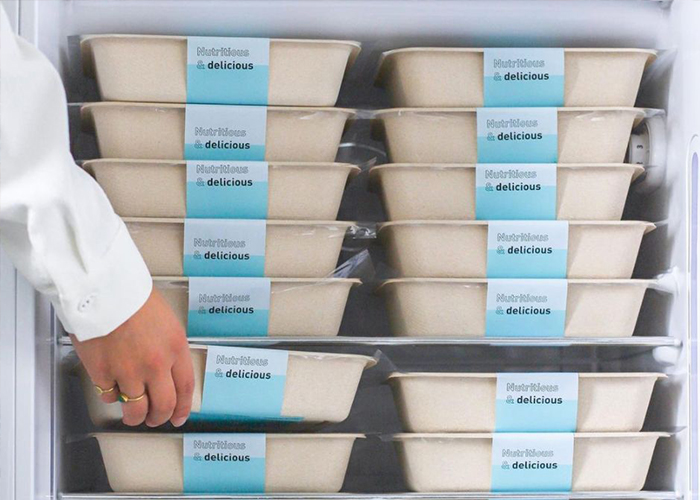
Why Freezing Matters in Meal Prep Operations
Freezing is no longer just for home use. In commercial food preparation, freezing helps:
Extend shelf life
Reduce food waste
Stabilize production schedules
Support bulk cooking and distribution
Improve logistics efficiency
However, freezing also places physical stress on containers, including:
Low-temperature brittleness
Moisture expansion
Oil and sauce migration
Seal integrity challenges
Choosing the wrong container can lead to cracking, leakage, or food quality loss.
Can All Meal Prep Containers Go in the Freezer?
Not all meal prep containers are freezer-safe.
Containers that often cause problems:
Thin plastic containers (can crack at low temperatures)
Low-quality paper trays (absorb moisture, lose strength)
Uncoated molded fiber products (soften or deform)
Containers that generally perform better:
Freezer-grade plastic (PP)
Aluminum trays
Coated fiber-based containers designed for cold storage
This is where coated sugarcane bagasse trays come into focus.
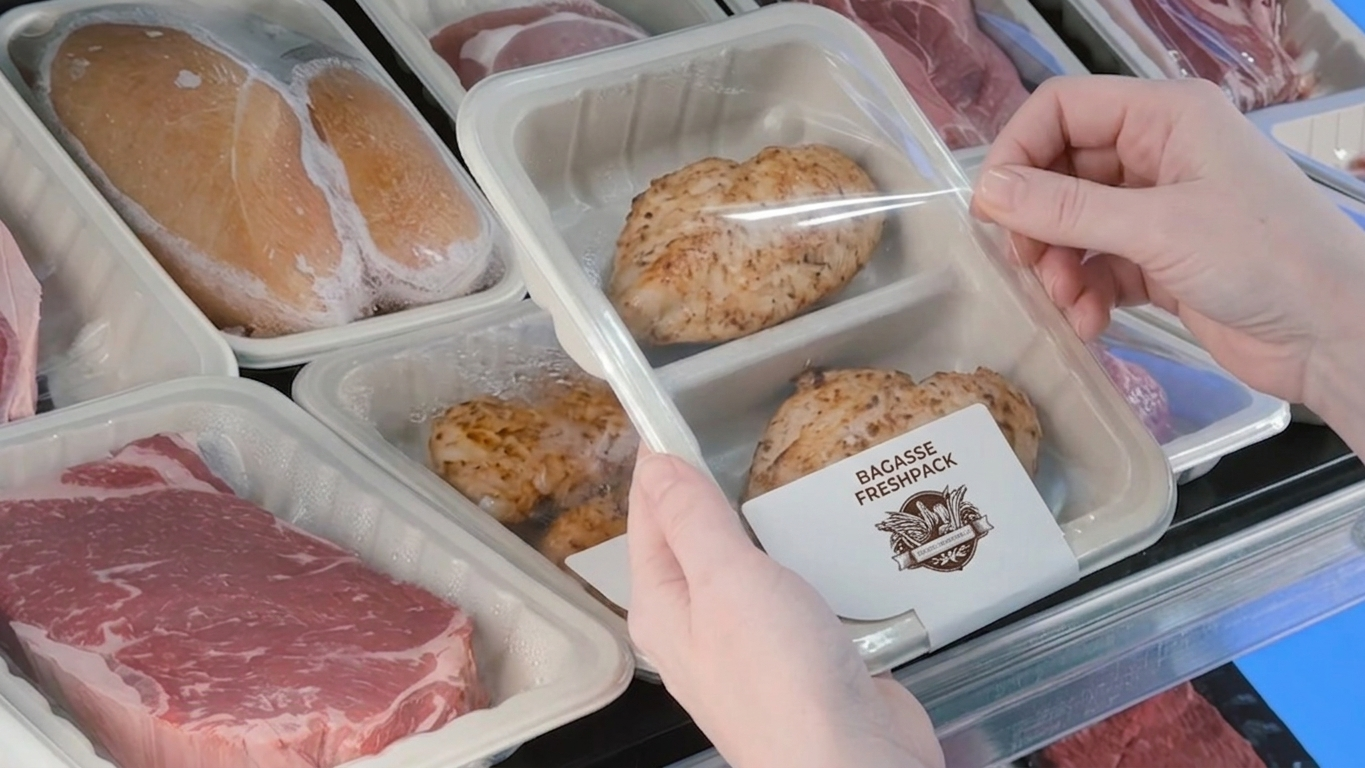
What Makes a Container Freezer-Safe?
When evaluating whether a meal prep container can be frozen, buyers should look beyond material names and focus on performance factors:
1. Structural Stability at Low Temperatures
Freezing causes water inside food to expand. The container must maintain shape and rigidity without cracking.
2. Moisture & Oil Resistance
Unprotected fiber absorbs condensation during freeze–thaw cycles, weakening the structure.
3. Seal Compatibility
For meal prep trays with lids or film sealing, edge integrity is critical to prevent leaks after thawing.
4. Food Safety Compliance
Containers must remain safe for direct food contact even after freezing and reheating.
Are Bagasse Meal Prep Containers Freezer-Safe?
Standard bagasse containers are not always suitable for freezing — but coated bagasse meal prep trays are.
Why coating makes the difference:
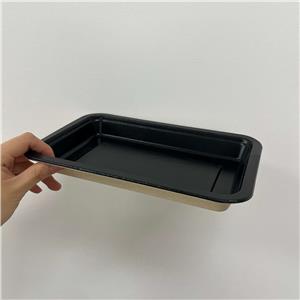
Modern coated bagasse trays combine:
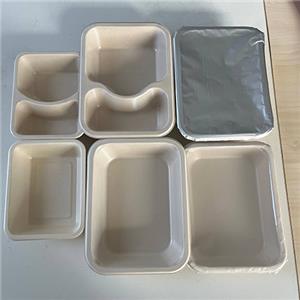
A molded sugarcane fiber base for strength
A thin functional coating to block moisture and oil
This design allows the tray to:
Maintain rigidity in freezer conditions
Resist condensation during thawing
Prevent food from sticking or soaking through
Support sealing films or fitted lids
Why Food Businesses Are Choosing Coated Bagasse Trays for Freezing
Across global markets, more food producers are replacing plastic meal prep containers with coated bagasse trays because they offer a balance between performance and sustainability.
Key advantages:
❄ Freezer-friendly for prepared meals
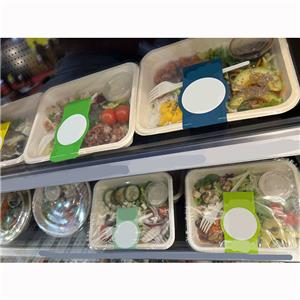
🍱 Suitable for ready meals, sauces, rice, pasta, proteins
🔥 Can transition from freezer to microwave
🌱 Made from renewable sugarcane fiber
♻ Designed for compostable or low-plastic packaging strategies
📦 Stable stacking and transport performance
For businesses facing plastic restrictions or sustainability targets, this solution is increasingly practical—not just symbolic.
Common Freezing Scenarios Where Coated Bagasse Trays Perform Well
Central kitchen batch cooking
Meal subscription services
Supermarket ready-meal programs
Airline and catering meals
Export-oriented frozen food packaging
In these use cases, consistency and reliability matter more than novelty.
Manufacturing Quality Matters More Than Material Names
One important insight often missed in Google discussions:
Freezer performance depends more on manufacturing quality than on material labels.
Not all bagasse trays are the same.
Key factors include:
Fiber density control
Coating uniformity
Tray wall thickness
Edge compression strength
Batch-to-batch consistency
As a manufacturing-focused supplier, we design our coated bagasse meal prep trays specifically for:
Cold storage stability
Industrial sealing compatibility
Large-scale food production environments
This is why these trays are used not just as “eco-friendly options,” but as functional packaging tools.
Final Thoughts: Freezing Food Is Easy — Choosing the Right Container Is Not
So, can you freeze food in meal prep containers?
Yes — but only when the container is engineered for freezing, thawing, and reheating as a complete system.
For food businesses looking to move beyond plastic without sacrificing performance, coated sugarcane bagasse meal prep trays offer a proven path forward.
In modern meal prep operations, the right container doesn’t just hold food — it protects your process, your brand, and your compliance.
Ready to Upgrade Your Sustainable Food Packaging Strategy?
Don’t let performance and compliance be a compromise. Join 3,000+ global partners who rely on MountainHB’s Top Seal Solutions. Whether you need a 1:1 mold replication or a high-performance, PFAS-FREE freezing solution, our experts are ready to assist.
Request a Custom Quote: Tailored pricing for high-volume orders.
Order Free Samples: Test our -40°C to 220°C CPET durability in your own process.
Expert Consultation: 1:1 advice on sealing automation and tariff-mitigation (via our Cambodia factory).
👉 [Contact Us for a Quote Now] | [Inquire via Email]