Are Biodegradable Containers Microwave Safe? What Food Businesses Should Know
As more food brands, restaurants, and meal prep companies shift toward sustainable packaging, one question frequently appears in Google searches:
Are biodegradable containers microwave safe?
The answer is not a simple yes or no.
Some biodegradable containers perform very well in microwaves, while others are not suitable at all.
For food businesses, understanding the difference is critical—not only for food safety, but also for customer experience and regulatory compliance.
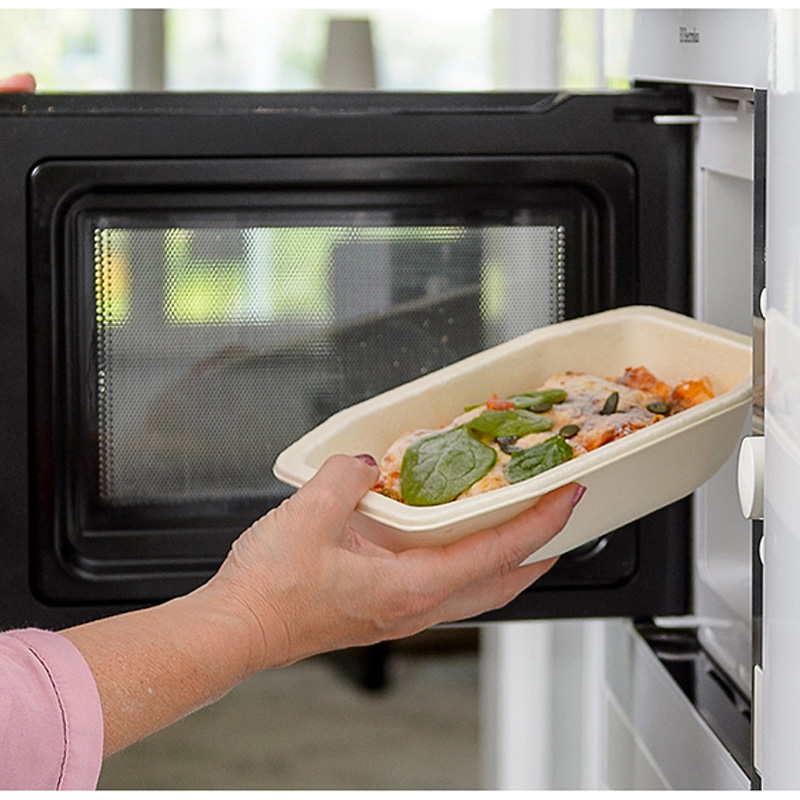
Why Microwave Safety Matters for Biodegradable Packaging
Microwave heating is now a standard part of food consumption, especially for:
Ready meals
Meal prep programs
Takeaway and delivery food
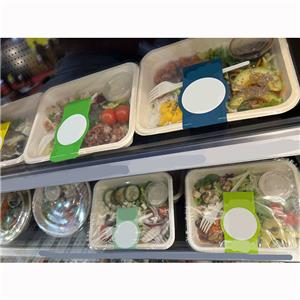
Supermarket prepared foods
If a container fails in the microwave, it can cause:
Warping or collapse
Leakage of sauces and oils
Off-odors or surface breakdown
Customer complaints and brand risk
This is why microwave safety is increasingly treated as a functional requirement, not an optional feature.
Are All Biodegradable Containers Microwave Safe?
No.
“Biodegradable” only describes how a material breaks down after disposal—it does not automatically mean heat resistance.
Different biodegradable materials behave very differently in a microwave.
Common biodegradable materials include:
Paper and paperboard
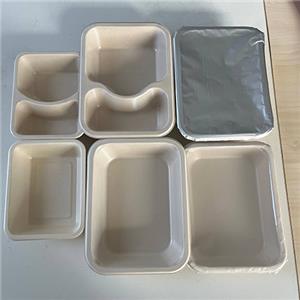
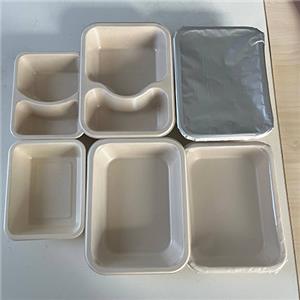
Molded fiber (bagasse)
PLA (corn-based bioplastic)
Bamboo fiber composites
Each material has its own performance limits when exposed to heat and moisture.
Which Biodegradable Containers Perform Poorly in Microwaves?
Some materials often cause problems:
PLA containers
PLA softens at relatively low temperatures and can deform or release odors under microwave heat.Thin paper containers without treatment
These may absorb moisture, lose strength, and collapse during heating.Low-density fiber products
Poorly formed fiber containers may warp or leak when reheated with wet or oily foods.
This is why many negative reviews about “biodegradable containers in microwaves” are actually related to material misuse or low manufacturing quality.
Are Sugarcane Bagasse Containers Microwave Safe?
High-quality sugarcane bagasse containers are generally microwave safe, when they are properly designed and manufactured.
Bagasse is a molded plant fiber material made from sugarcane pulp, and it has several advantages for microwave use:
Naturally heat-resistant compared to bioplastics
Suitable for moist and oily foods
Stable under short microwave heating cycles
Free from melting or plastic softening issues
However, not all bagasse containers are the same.
What Makes a Bagasse Container Microwave Safe?
Microwave safety depends more on design and production quality than on the material name alone.
Key factors include:
1. Fiber Density and Wall Thickness
Higher-density molded fiber maintains structure during heating and resists warping.
2. Moisture and Oil Resistance
For saucy or greasy foods, surface treatment or functional coating helps prevent softening.
3. Heat Stability Testing
Microwave-safe containers are tested for deformation, odor, and integrity after heating.
4. Food Contact Compliance
Containers must remain safe for direct food contact after reheating.
Why Coated Bagasse Containers Perform Better in Microwaves
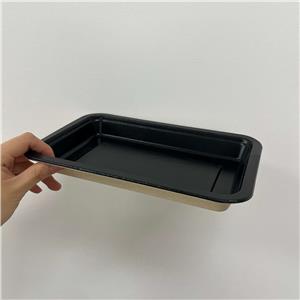
In commercial food packaging, coated bagasse containers are increasingly preferred for microwave applications.
The coating:
Acts as a barrier against moisture and oil
Prevents food from sticking to the surface
Improves structural stability during heating
Supports consistent performance for ready meals
This makes coated bagasse containers suitable for:
Microwave-ready meals
Meal prep trays
Takeaway food with sauces
Retail prepared foods
Why Food Businesses Are Choosing Bagasse Containers
From a business perspective, sugarcane bagasse containers offer a balance of functionality, sustainability, and cost control.
Key reasons buyers choose them include:
🔥 Microwave safe for reheating
🌱 Made from renewable plant fiber
♻ Aligned with compostable packaging strategies
🍽 Safe for direct food contact
📦 Strong and stable for transport and storage
For companies reducing plastic use without sacrificing performance, bagasse has become a practical solution rather than a marketing concept.
Manufacturing Quality Makes the Real Difference
One important point often overlooked in online discussions:
Not all biodegradable containers fail in microwaves—poorly made ones do.
Microwave performance depends on:
Molding pressure control
Fiber formulation
Coating consistency
Quality inspection standards
As a manufacturing-focused supplier, we design our sugarcane bagasse containers specifically for real food service conditions, including reheating scenarios commonly used by end consumers.
Final Thoughts: Microwave Safety Is About the Right Choice
So, are biodegradable containers microwave safe?
They can be—but only when the right material, structure, and manufacturing standards are used.
For food brands, caterers, and meal prep companies, well-made sugarcane bagasse containers offer a reliable, microwave-safe option that also supports sustainability goals.
In modern food packaging, the best containers are not just biodegradable—they are designed to perform where it matters most.