Can Takeaway Boxes Be Microwaved? A Clear Guide for Food Businesses and Consumers
As takeaway and food delivery become part of everyday life, many people ask a simple but important question:
Can takeaway boxes be microwaved?
The answer most often found on Google is:
It depends on the material and how the container is made.
For food businesses, choosing microwave-safe takeaway boxes is not just about convenience—it affects food safety, customer experience, and brand trust.
Why Microwave Safety Matters for Takeaway Packaging
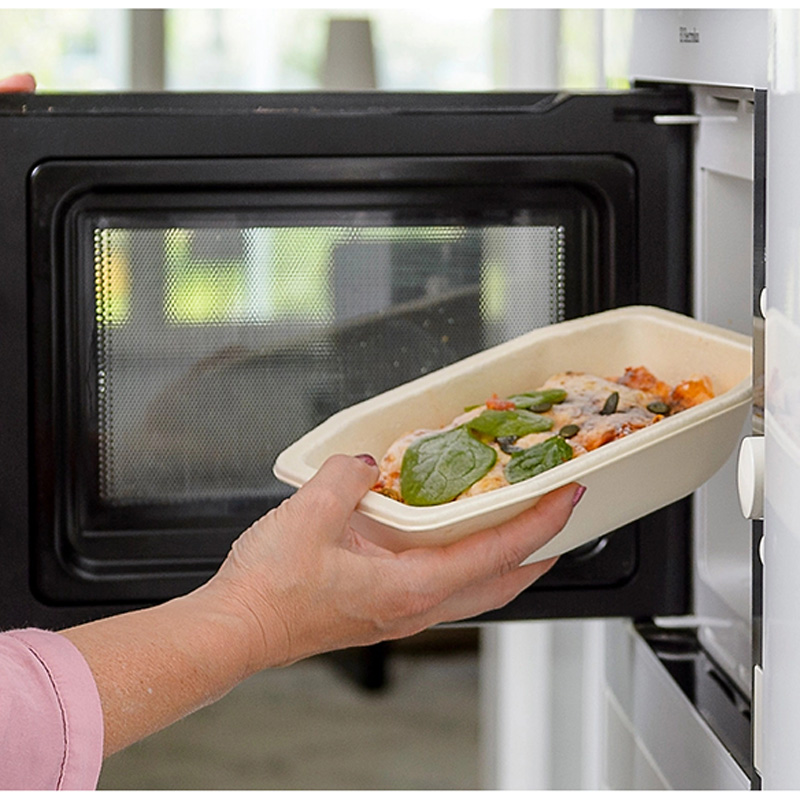
Today, takeaway food is rarely eaten immediately. Many customers:
Reheat food at home or at work
Store leftovers for later consumption
Expect packaging to handle reheating safely
If a takeaway box is not microwave safe, it may:
Warp or collapse during heating
Leak sauces and oils
Produce unpleasant odors
Cause customer complaints or safety concerns
That’s why microwave compatibility has become a basic requirement, not a premium feature.
Are All Takeaway Boxes Microwave Safe?
No. Not all takeaway boxes can be microwaved safely.
The term “takeaway box” covers many different materials, each with very different heat resistance.
Common takeaway box materials include:
Plastic (PP, PET, PS)
Aluminum
Paper and paperboard
Molded fiber (bagasse)
Bioplastics such as PLA
Some perform well in microwaves, while others should never be heated.
Takeaway Boxes That Should NOT Be Microwaved
Based on common Google search guidance and food safety advice, these containers are often unsafe for microwaving:
❌ Polystyrene (PS) foam containers
They can melt, release odors, or deform under microwave heat.
❌ Aluminum takeaway boxes
Metal should never be placed in a microwave.
❌ Low-quality plastic containers
Thin or non-microwave-grade plastics may warp or release chemicals.
❌ Untreated paper boxes
They absorb moisture, lose strength, and may collapse.
Which Takeaway Boxes Are Generally Microwave Safe?
Containers that usually perform better include:
Microwave-grade PP plastic containers
Certain paper containers with proper coatings
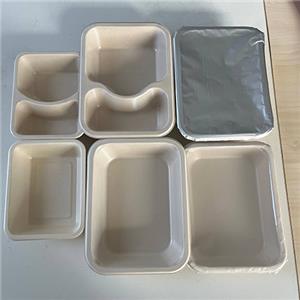
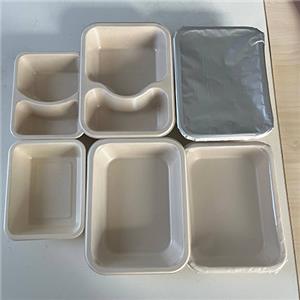
High-quality molded fiber containers, such as sugarcane bagasse boxes
Among these, bagasse containers are gaining attention for combining microwave safety with sustainability.
Can Sugarcane Bagasse Takeaway Boxes Be Microwaved?
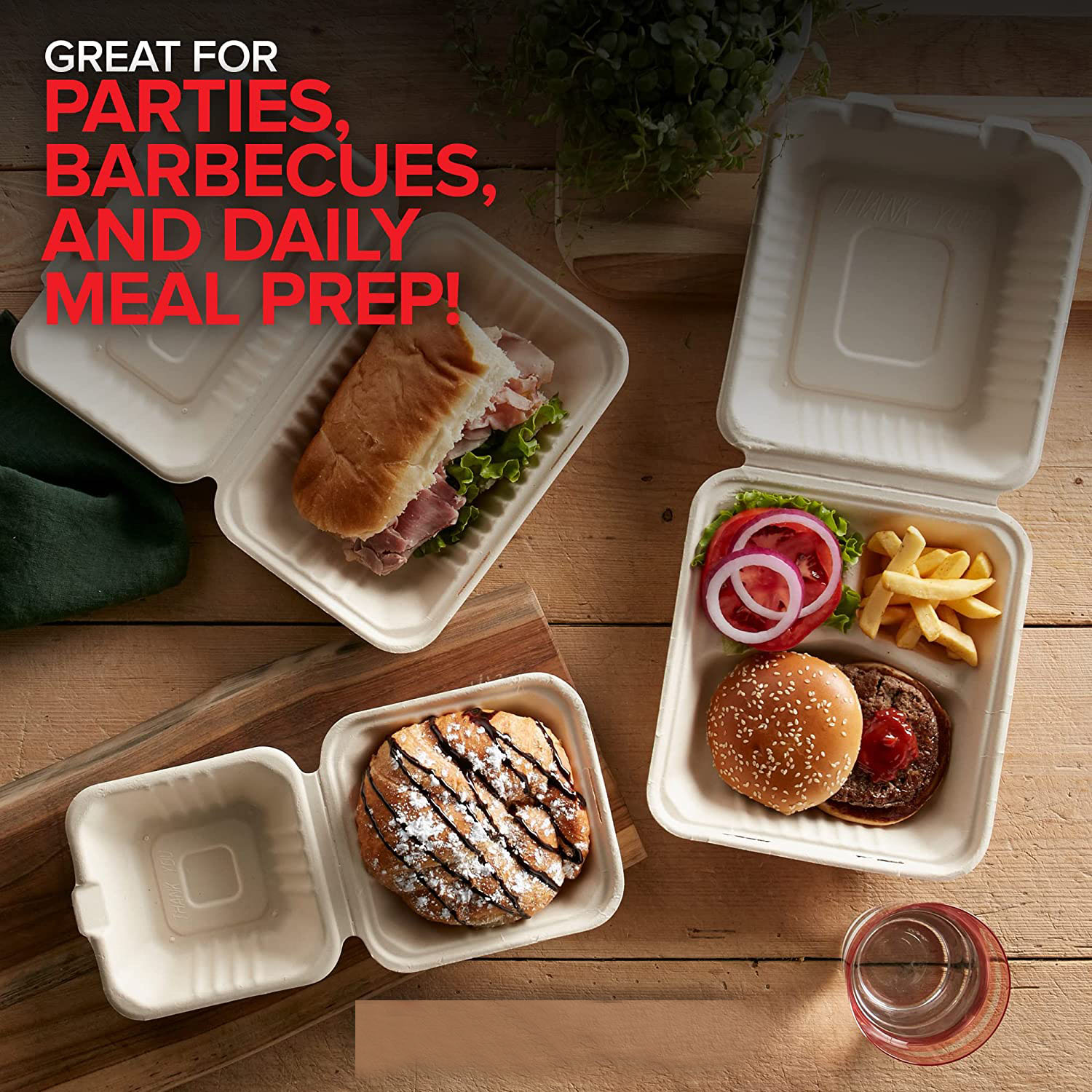
Yes — well-made sugarcane bagasse takeaway boxes are generally microwave safe.
Bagasse is a molded plant fiber made from sugarcane pulp. When properly produced, it offers several advantages:
Naturally heat-resistant compared to many plastics
Suitable for moist and oily foods
Stable during short microwave reheating
No melting or plastic softening issues
However, it is important to note that not all bagasse containers are the same.
What Makes a Bagasse Takeaway Box Microwave Safe?
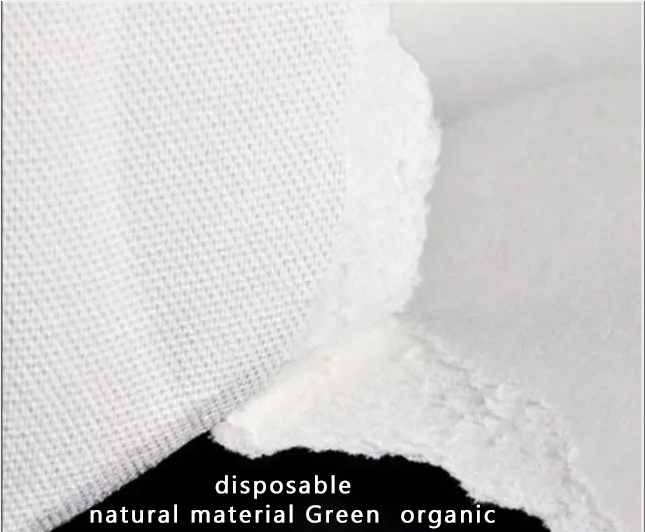
Microwave performance depends more on manufacturing quality than on the material name.
Key factors include:
1. Fiber Density and Structure
High-density molded fiber holds its shape during heating.
2. Moisture and Oil Resistance
For saucy foods, surface treatment or coating prevents softening.
3. Wall Thickness and Edge Strength
Strong edges help maintain integrity when reheating.
4. Food Contact Safety After Heating
Containers must remain safe for direct food contact during and after microwaving.
Why Coated Bagasse Takeaway Boxes Perform Better
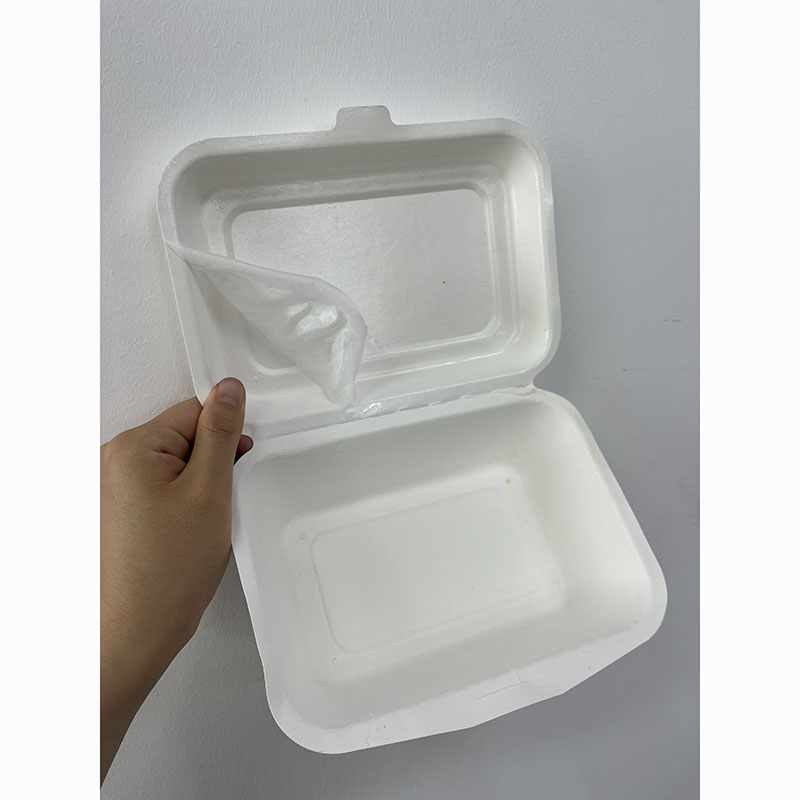
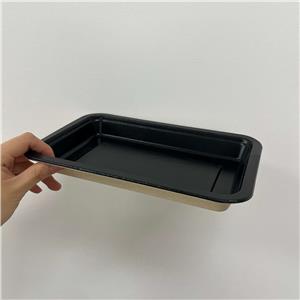
In commercial food service, coated bagasse takeaway boxes are increasingly preferred for microwave use.
The functional coating:
Acts as a barrier against moisture and oil
Reduces the risk of leakage
Prevents food from sticking
Improves consistency during reheating
This makes coated bagasse boxes ideal for:
Takeaway meals with sauces
Ready-to-eat dishes
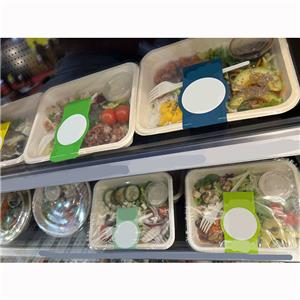
Meal prep and delivery services
Retail hot food and leftovers
Why Food Businesses Are Switching to Bagasse Takeaway Boxes
From a business perspective, sugarcane bagasse containers offer a rare balance:
🔥 Microwave safe for reheating
🌱 Made from renewable plant fiber
♻ Aligned with compostable packaging goals
🍽 Safe for direct food contact
📦 Strong enough for transport and stacking
As plastic regulations tighten worldwide, bagasse containers provide a practical alternative, not just an eco-friendly statement.
The Real Difference Is Manufacturing, Not Material
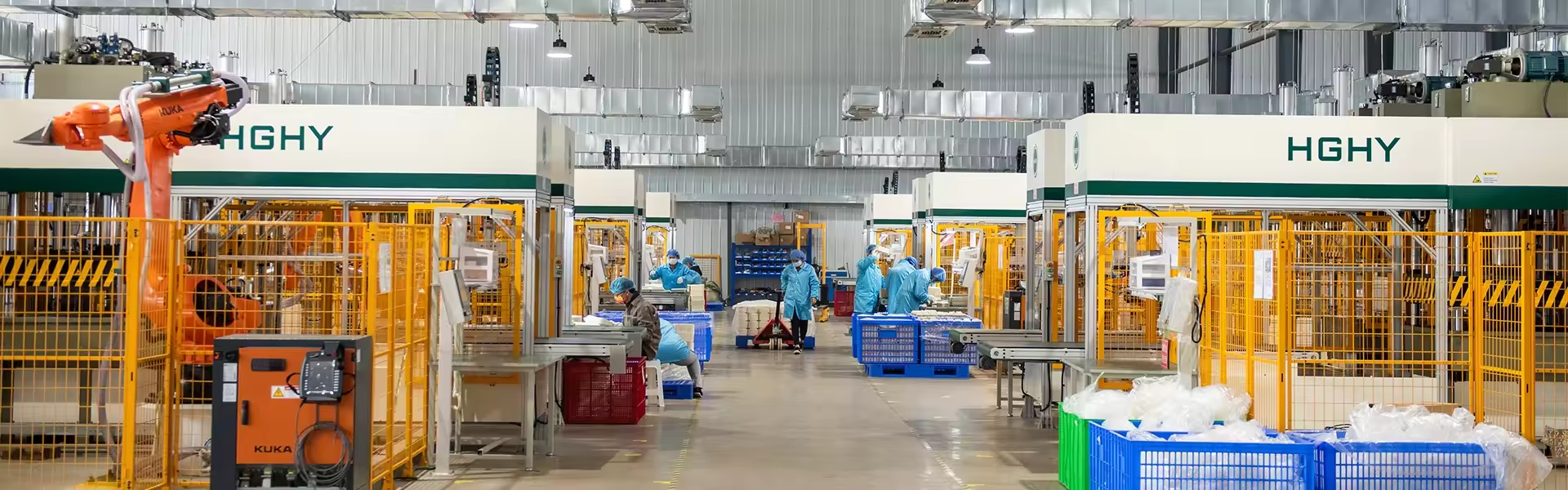
A key point often missed in online discussions is this:
Most microwave problems come from poor-quality containers, not from the concept of biodegradable packaging itself.
Reliable microwave performance depends on:
Molding pressure control
Fiber formulation
Coating consistency
Quality inspection standards
As a manufacturing-focused supplier, we design our sugarcane bagasse takeaway boxes for real-world food service conditions, including reheating by end consumers.
Final Thoughts: Can Takeaway Boxes Be Microwaved?
So, can takeaway boxes be microwaved?
Yes — if they are made from the right material and produced to the right standards.
For restaurants, food brands, and takeaway operators looking to reduce plastic use without compromising usability, high-quality sugarcane bagasse containers offer a microwave-safe, reliable, and sustainable solution.
In modern takeaway packaging, the best boxes are not just disposable —
they are designed to perform throughout the entire food lifecycle.
FAQ:Can Takeaway Boxes Be Microwaved?
Q1: Can takeaway boxes be microwaved safely?
Short answer: It depends on the material.
Not all takeaway boxes are microwave safe.
Plastic containers may release harmful chemicals when heated.
Foam containers can melt or warp.
Aluminum containers should never be microwaved.
Bagasse (sugarcane fiber) takeaway boxes, however, are generally microwave safe when produced without plastic coatings and certified for food contact.
✅ Google Snippet 友好点:直接回答 + 条件说明
Q2: Are bagasse takeaway boxes microwave safe?
Yes. High-quality sugarcane bagasse containers are microwave safe.
Bagasse containers are made from natural sugarcane fiber and can typically withstand temperatures up to 120°C–220°C (248°F–428°F), depending on thickness and molding process.
They are suitable for:
Reheating meals
Hot food delivery
Short-time microwave heating
👉 Always check if the product is food-grade certified and PFAS-free.
Q3: Can biodegradable takeaway containers go in the microwave?
Some biodegradable containers can, but not all.
| Material | Microwave Safe? |
|---|---|
| PLA-coated paper | ❌ Not recommended |
| CPLA | ⚠ Limited |
| Bagasse fiber | ✅ Yes |
Bagasse containers are one of the most reliable biodegradable options for microwave use because they contain no petroleum-based plastic.
Q4: Do microwave-safe takeaway boxes release toxins when heated?
Certified bagasse containers do not.
When manufactured properly, sugarcane bagasse containers:
Are BPA-free
Contain no plastic softeners
Do not release toxins under microwave heating
⚠ Low-quality or uncertified products may contain additives—this is why supplier selection matters.
Q5: Can bagasse takeaway boxes handle oily or saucy food in the microwave?
Yes, with the right surface treatment.
Many bagasse takeaway boxes use:
Natural water-resistant treatments
Or thin food-grade coatings
These allow them to:
Resist oil and moisture
Maintain structure during heating
Prevent leaks in takeaway and delivery scenarios
Q6: How long can you microwave food in a bagasse container?
Generally:
2–3 minutes at standard microwave power is safe
Stir or pause for even heating
Avoid direct contact with heating elements
Bagasse containers are designed for reheating, not prolonged high-temperature cooking.
Q7: Why do restaurants and brands choose bagasse microwave-safe containers?
Because they combine:
♻ Sustainability
🔥 Microwave safety
🍽 Food-contact compliance
📦 Delivery durability
That’s why bagasse containers are widely used by:
Takeaway restaurants
Meal prep brands
Supermarkets
Catering chains
Q8: What should buyers look for when sourcing microwave-safe takeaway boxes?
When purchasing in bulk, always confirm:
✔ Food contact certifications (FDA / LFGB)
✔ Microwave safety testing
✔ No plastic or PFAS coating
✔ Stable long-term supply
👉 A factory-level supplier with in-house molding control can significantly reduce quality risk.