EU to Phase Out Single-Use Plastics by 2030 in Major Packaging Reform
Brussels accelerates sustainability agenda as plastic waste reaches record levels
The European Union is moving forward with one of its most ambitious environmental initiatives to date: a region-wide ban on most forms of single-use plastic packaging by 2030. The decision forms a central pillar of the EU’s long-term strategy to reduce waste, cut carbon emissions, and transition toward a circular economy.
The policy is part of a broader overhaul of packaging regulations designed to address the rapid growth of plastic waste across Europe, particularly in food service, hospitality, and retail sectors.
What Will Be Banned Under the New Rules
The upcoming legislation specifically targets short-life plastic packaging that is difficult to recycle and commonly discarded after a single use. This includes:
Plastic packaging for fresh fruit and vegetables
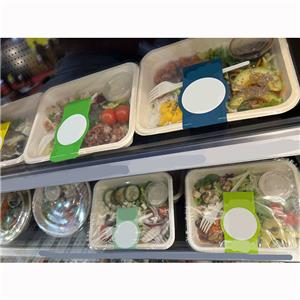
Food containers used for ready-to-eat meals and individual portions
Single-use plastic packaging for sauces, condiments, and dips
Disposable plastic toiletries provided in hotels and accommodation
By focusing on high-volume, low-recovery items, the EU aims to eliminate products that contribute disproportionately to landfill waste and marine pollution.
Why the EU Is Acting Now
Packaging waste has become one of Europe’s fastest-growing environmental challenges. According to EU data, plastic packaging waste per person nearly doubled between 2011 and 2021, driven largely by convenience foods, takeaway meals, and e-commerce.
Without intervention, policymakers warn that existing recycling systems will be unable to cope with rising volumes, increasing the risk of environmental leakage into waterways and oceans.
Under the proposed framework:
All packaging placed on the EU market must be recyclable by 2030
The total amount of packaging waste must be reduced by 15% by 2040
Greater responsibility will be placed on producers to redesign packaging with sustainability in mind
Part of a Global Push Against Plastic Pollution
The EU’s move aligns with growing international concern over plastic pollution. Environmental experts estimate that, without decisive action, plastic pollution in the oceans could triple by 2040.
In response, United Nations member states agreed in 2022 to begin negotiations on a legally binding global treaty aimed at ending plastic pollution. Talks are ongoing, with packaging reduction and material innovation among the core topics.
At the same time, initiatives such as the World Economic Forum’s Global Plastic Action Partnership are bringing together governments, manufacturers, and civil society groups to convert sustainability pledges into measurable action.
Implications for Businesses and Packaging Manufacturers
For food brands, retailers, and packaging suppliers, the EU ban represents both a regulatory challenge and a commercial opportunity.
Companies operating in or exporting to the EU will need to accelerate the shift toward:
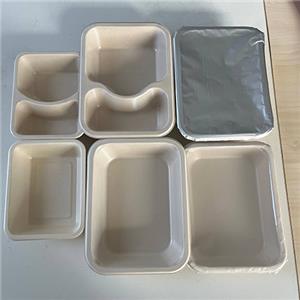
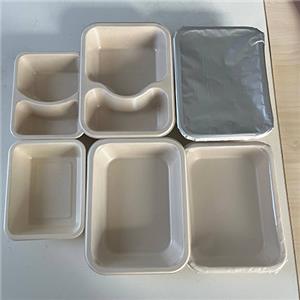
Compostable and fiber-based packaging
Reusable or refillable formats
Designs optimized for recycling and material reduction
Industry analysts expect demand for alternatives such as molded pulp, paper-based packaging, and bio-based materials to rise sharply over the next five years.
A Turning Point for Sustainable Packaging
EU officials emphasize that the objective is not simply to replace plastic with another disposable material, but to rethink how packaging is designed, used, and recovered.
As one policy advisor noted, “Reducing waste at the source is just as important as improving recycling. The future of packaging must be lighter, smarter, and circular by design.”
With the 2030 deadline approaching, the EU’s stance is likely to influence global packaging standards—reshaping supply chains far beyond Europe’s borders.