UAE to Expand Single-Use Plastic Restrictions in 2026, Opening the Door to Plant-Based Alternatives
New phase of regulation shifts focus from bans to bio-based innovation
The United Arab Emirates is preparing to introduce a far-reaching expansion of its single-use plastics regulations from January 1, 2026, marking a decisive shift in how the country approaches plastic reduction and sustainable materials.
The changes form part of the second phase of Ministerial Decision No. 380 of 2022, issued by the Ministry of Climate Change and Environment (MOCCAE). While the first phase focused on limiting problematic plastic products, the updated framework places greater emphasis on material innovation, allowing exemptions for plant-based, biodegradable, and recycled alternatives.
What Will Be Restricted Under the New Rules
Under the revised regulations, a wide range of everyday foodservice items made from conventional fossil-based plastics will no longer be permitted across the UAE. These include:
Beverage cups and lids
Cutlery, straws, and stirrers
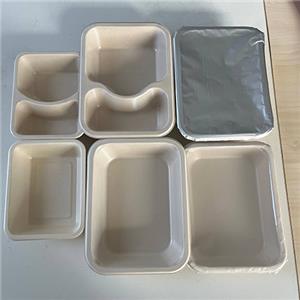
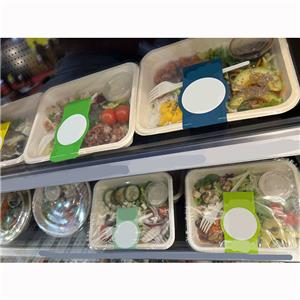
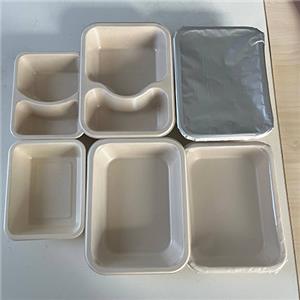
Plastic and foam food containers used by restaurants, hotels, catering companies, and retail outlets
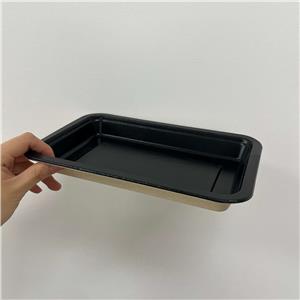
From 2026 onward, these products will only be allowed if they are manufactured using approved materials, such as PLA biopolymers, paper, wood, or plastics with verified recycled content.
The policy also tightens controls on shopping bags. Any single-use bag with a thickness of less than 50 micrometers will be banned nationwide unless it is made from recycled materials or certified plant-based, biodegradable alternatives.
A Strategic Shift in the UAE’s Sustainability Approach
François de Bie, Chief Commercial Officer at Emirates Biotech, believes the updated regulation reflects a broader evolution in the UAE’s sustainability strategy.
Rather than relying solely on prohibitions, the new framework actively encourages the development and adoption of next-generation materials. By exempting PLA and other bio-based solutions, the policy moves beyond eliminating plastic waste and toward building a circular, innovation-driven economy.
“This is no longer just about stopping plastic use,” de Bie noted in recent comments. “It’s about redefining what plastics can be—locally produced, plant-based, and designed with circularity in mind.”
Regulatory Clarity Brings Momentum for Business
One of the most significant impacts of the new rules is the regulatory certainty they provide for businesses operating in the UAE.
Previously, many brand owners and packaging suppliers hesitated to invest in alternative materials due to concerns around legality, cost, performance, and supply chain reliability. Clear exemptions for PLA and other plant-based materials now reduce those risks, enabling companies to move forward with confidence.
Industry observers suggest that this clarity could compress transition timelines dramatically, accelerating changes that might otherwise have taken a decade into just a few years.
Local Production Gains Strategic Importance
Demand for compliant materials is expected to rise sharply as the 2026 deadline approaches. While the region has historically relied on imported biopolymers, the situation is changing quickly.
New domestic PLA production, regional stockpiling, and local warehousing are helping to stabilize supply and reduce logistical barriers. According to industry sources, the UAE market is already better positioned today than it was a year ago to absorb the expected surge in demand.
Local manufacturers are expected to play a pivotal role—not only by producing materials, but also by adapting equipment, retraining workforces, and redesigning products to ensure proper end-of-life performance.
A Turning Point for Packaging and Manufacturing in the UAE
As implementation draws closer, the expanded single-use plastics regulations are likely to reshape procurement strategies, packaging design, and manufacturing investment decisions across the country.
More broadly, the policy reinforces the UAE’s ambition to align environmental responsibility with industrial growth, positioning sustainable materials as a cornerstone of the nation’s future bioeconomy.
With less than two years to go, businesses across foodservice, retail, and packaging are now facing a clear signal: the future of packaging in the UAE will be plant-based, circular, and locally driven.