Georgia Considers Nationwide Ban on Plastic Beverage Bottles
The government of Georgia is considering a sweeping policy that could significantly reduce the use of plastic beverage packaging across the country. If implemented, the proposal would prohibit the sale of most drinks in plastic bottles, marking one of the most ambitious plastic reduction measures currently under discussion worldwide.
According to local reports, the proposed regulation could take effect on February 1, 2027. The policy would ban the sale of carbonated soft drinks, alcoholic beverages, and drinking water packaged in plastic bottles.
Only a limited number of exceptions would remain. Water containers larger than three liters would still be permitted, and carbonated drinks or alcohol sold in containers exceeding twenty liters would also be allowed under the draft proposal.
If approved, the regulation would remove a large portion of both locally produced and imported beverages packaged in plastic bottles from the Georgian market.
Packaging Industry Faces Major Transition
Georgia is a well-known producer of mineral water and bottled beverages, and currently the vast majority of these products are sold in plastic packaging. Alternatives such as glass bottles and aluminum cans represent only a small portion of the market today.
Industry observers note that transitioning away from plastic bottles could require significant adjustments for beverage manufacturers. Companies may need to invest in new packaging lines, particularly for glass or aluminum containers.
However, switching entirely to alternative materials may present certain challenges. For example, aluminum cans are typically produced in relatively small sizes, while glass bottles for soft drinks rarely exceed 1.5 liters. Larger beverage formats that consumers are familiar with may therefore become less common if the policy moves forward.
Some experts also point out that Georgia is still developing its waste separation and recycling systems. Compared with many European countries that have established recycling infrastructures, the country’s current recycling capacity for plastics, aluminum, and glass remains limited.
Despite these challenges, policymakers believe the proposal could help reduce long-term environmental pressure and encourage more sustainable packaging practices.
Global Shift Toward Sustainable Packaging
Georgia’s proposal reflects a broader global trend. Governments in many regions are introducing policies to reduce plastic waste, especially for products that are used once and then discarded.
As regulations evolve, businesses in the foodservice and packaging sectors are increasingly exploring renewable and biodegradable materials as alternatives to conventional plastics. Among these options, plant-fiber based products made from agricultural by-products have attracted growing attention.
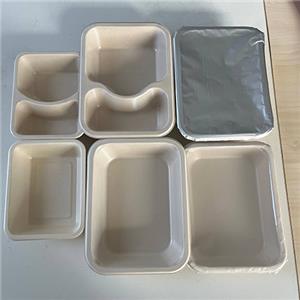
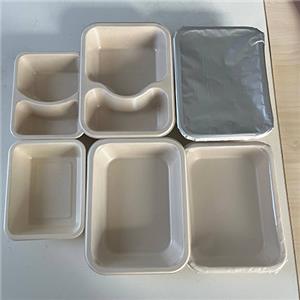
One widely used material is sugarcane bagasse, a natural residue left after sugar extraction. Through molded fiber technology, this material can be transformed into a range of disposable food packaging items such as plates, bowls, food containers, and cutlery.
Expanding Role of Sugarcane Fiber Tableware Manufacturers
For manufacturers specializing in molded fiber products, the global movement toward plastic reduction is creating new opportunities. Factories producing sugarcane bagasse tableware are expanding their production capacity and improving manufacturing processes to meet increasing demand from international buyers.
These plant-fiber products provide a practical solution for restaurants, food brands, and packaging distributors seeking alternatives to single-use plastics. With strong heat resistance, durability for takeaway meals, and the ability to break down more naturally after disposal, molded fiber tableware is becoming an important part of the sustainable packaging transition.
As countries continue to explore new ways to reduce plastic waste, materials derived from renewable resources—such as sugarcane fiber—are expected to play a larger role in the future of global food packaging and foodservice supplies.