Indonesia's 2026 Packaging Transformation: Mastering BPOM Regulation 11 and the Rise of Fiber-Based Solutions
Indonesia is entering a defining phase in its approach to food packaging safety and environmental sustainability. As Southeast Asia's largest economy and the world's largest archipelagic nation, the country faces unique and urgent regulatory pressures. In 2026, three converging forces are reshaping the packaging landscape: the newly enacted BPOM Regulation No. 11/2026 on Food Packaging, Indonesia's binding 70% marine plastic debris reduction target, and an ongoing national debate over a plastic packaging excise tax.
For Indonesian B2B operators—from beachfront resorts in Bali to the massive food service chains of Jakarta—the regulatory environment demands immediate, strategic action. At Hebei Mountain Environmental Protection Technology, we provide the verified PFAS-FREE and fiber-based with functional lamination solutions required to lead Indonesia's packaging transformation.
BPOM Regulation No. 11/2026: Why Indonesia's New Food Contact Material Framework is a Game-Changer
On June 30, 2026, Indonesia's Food and Drug Authority (BPOM) enacted Regulation No. 11 of 2026 on Food Packaging, replacing the previous 2019 framework. This comprehensive regulatory update introduces stricter migration limits, expanded positive lists for authorised substances, and new testing requirements that apply across all food contact material categories—plastics, metals, paper, glass, and multi-material composites.
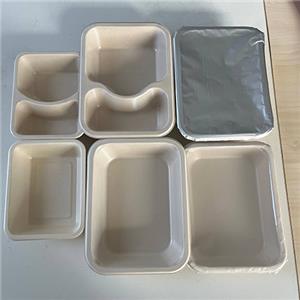
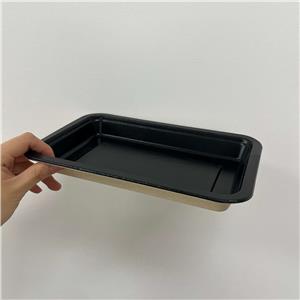
For Indonesian importers and brand owners, the regulation creates a new compliance imperative: food packaging must now meet documented safety standards that are aligned with international best practice. Hebei Mountain's fiber-based bagasse trays with functional lamination provide a fully documented path to BPOM compliance. Our products consist of a natural plant fiber base with an ultra-thin functional coating. We deliver the complete test reports, migration study data, and material certifications that Indonesian brands need to satisfy BPOM's expanded safety requirements—positioning your products for smooth regulatory approval in Indonesia's rapidly modernising food safety regime.
The 70% Marine Debris Target: Why Plastic Packaging is a National Liability in Archipelagic Indonesia
Indonesia's geography makes plastic pollution an existential threat. As the world's largest archipelago, with over 17,000 islands and some of the richest marine biodiversity on Earth, the country has set one of the world's most ambitious marine debris reduction targets: a 70% reduction in marine plastic debris. This national mandate, combined with the plastic waste import ban effective from 2025 and the roadmap to phase out single-use plastics by 2029, creates an accelerating regulatory trajectory that directly targets conventional plastic food packaging.
For Indonesian hotel groups, resort operators, and food service businesses in coastal regions like Bali, Lombok, and Raja Ampat, the message is clear: plastic packaging is a direct threat to the tourism economy that sustains millions of livelihoods. Hebei Mountain's certified compostable fiber containers provide the solution that aligns environmental imperatives with business realities. Certified to AS 4736 (Industrial) standards, our packaging offers a documented end-of-life pathway that supports Indonesia's marine protection goals while delivering the premium dining experience that international visitors expect.
The Plastic Excise Tax Debate: Preparing Your Supply Chain Before the Policy Returns
While Indonesia's outgoing government cancelled the plastic excise tax from the FY2025 budget, the policy debate has not ended. Proposals for a per-unit excise on plastic containers—previously discussed at approximately IDR 200 per container—remain active in policy circles. With mounting pressure to fund waste management infrastructure, a return of the plastic tax is widely anticipated by industry observers.
Hebei Mountain's fiber-based hybrid solutions provide a pre-emptive hedge against this fiscal risk. Because our packaging is built on a natural plant fiber base rather than petroleum-based plastic, it falls entirely outside the scope of any proposed plastic excise tax. By transitioning to fiber today, Indonesian brands can insulate their supply chains against the fiscal uncertainty of returning plastic taxes—converting a potential future liability into a permanent competitive advantage.
Bali to Jakarta: Fiber-Based Solutions for Indonesia's World-Class Hospitality Economy
Indonesia's hospitality industry is legendary—from the cliffside resorts of Uluwatu to the five-star hotels of Jakarta's business district. This world-class tourism and food service sector demands packaging that performs reliably with Indonesia's richly spiced cuisine while meeting the aesthetic and hygiene expectations of international travellers.
Hebei Mountain's fiber-based trays with functional lamination are engineered for Indonesia's unique culinary environment:
Hot Food Stability: Our trays maintain structural integrity with steaming hot Indonesian dishes—from rendang to soto ayam—eliminating the warping and leakage common with low-grade alternatives.
100% Oil and Liquid Barrier: The ultra-thin functional layer provides complete containment of coconut milk, sambal, and aromatic oils—essential for Indonesia's rich culinary traditions.
1:1 Mold Replication: We match your existing container dimensions precisely, allowing Indonesian central kitchens and food processors to switch to fiber without disrupting automated filling lines.

Hebei Mountain's Solution: Fiber-Based with Functional Lamination (PFAS-FREE ND)
We deliver a fully documented compliance strategy for Indonesia's evolving regulatory framework:

BPOM-Compliant: Complete migration test reports and material certifications to satisfy Regulation No. 11/2026 requirements.
Marine Protection Ready: Certified to AS 4736 Industrial Compostable Certification, supporting Indonesia's 70% marine debris reduction target.
Excise Tax Position: Plant-fiber base falls outside any proposed plastic packaging excise tax scope.
SGS Certified: Full compliance with REACH, POPs, and BPA-free standards for export-grade Indonesian food products.
Strategic Supply Chain: Cambodia-Based Manufacturing for Southeast Asia's Largest Economy
For Indonesian importers managing complex supply chains across the archipelago, cost predictability and logistics reliability are essential. Hebei Mountain's production base in Cambodia offers a strategic ASEAN supply route.
By sourcing from our Cambodia facility, Indonesian partners benefit from competitive, diversified supply within the ASEAN neighbourhood. We ensure a stable, high-volume supply of premium compostable food containers, supported by efficient maritime logistics via the Java Sea and Malacca Strait to major Indonesian ports in Jakarta, Surabaya, and Bali—delivering cost-competitive pricing for this price-sensitive market.
Conclusion: Future-Proof Your Indonesian Business for 2026 and Beyond
The convergence of BPOM Regulation No. 11/2026, Indonesia's 70% marine debris reduction target, and the looming prospect of a plastic packaging excise tax makes the transition to certified, fiber-based packaging the most strategically sound pathway for Indonesian food and hospitality brands. Companies that act today to integrate PFAS-FREE, fiber-based hybrid packaging will be the market leaders in Southeast Asia's largest and most dynamic consumer economy.
Contact Hebei Mountain today to request samples of our SGS-certified sugarcane bagasse solutions and discover how our 1:1 mold replication and BPOM-ready documentation can secure your compliance and your brand's future in Indonesia.
Hebei Mountain Environmental Protection Technology Co., Ltd.
Your Partner for Sustainable Innovation in Indonesia and ASEAN.