Modified Atmosphere vs Controlled Atmosphere Packaging: What’s the Difference?
Modified Atmosphere vs Controlled Atmosphere Packaging
Both Modified Atmosphere Packaging (MAP) and Controlled Atmosphere Packaging (CAP) are used to extend food shelf life—but they work in very different ways.
Understanding the difference is essential for food brands choosing the right packaging solution.
What is Modified Atmosphere Packaging (MAP)?
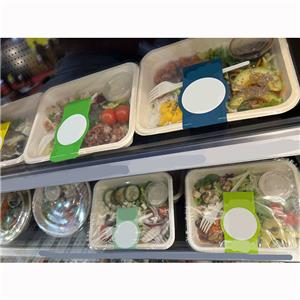
MAP involves replacing the air inside a package with a fixed gas mixture. Once sealed, the atmosphere remains unchanged.
👉 Common in:
Ready meals
Meat trays
Fresh produce
What is Controlled Atmosphere Packaging (CAP)?
CAP continuously regulates gas levels during storage.
👉 Common in:
Large storage facilities
Fruit warehouses
Bulk transport
Key Differences Between MAP and CAP
| Feature | MAP | CAP |
|---|---|---|
| Gas control | One-time | Continuous |
| Packaging type | Sealed packs | Storage systems |
| Cost | Lower | Higher |
| Flexibility | High | Limited |
Which One Should You Choose?
MAP → Best for retail packaging and ready meals
CAP → Best for bulk storage and long-term preservation
The Role of Packaging Materials in MAP
Unlike CAP, MAP relies heavily on packaging materials.
That’s why tray performance matters:
Gas barrier capability
Seal integrity
Structural strength
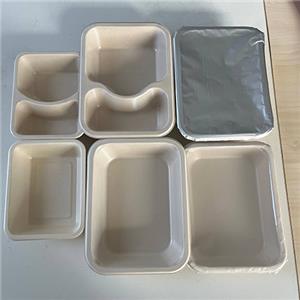
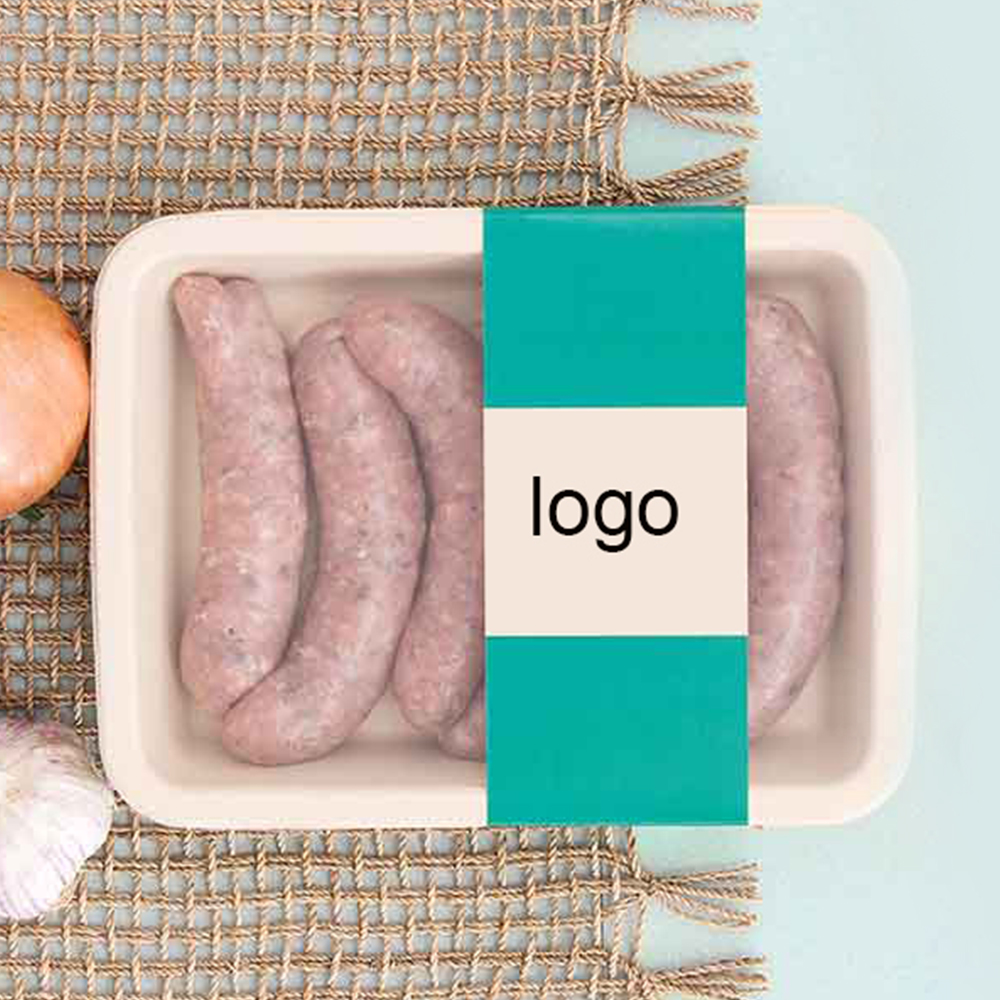
Sustainable Alternative to Plastic MAP Trays
Traditional MAP trays are plastic-based. However, brands are now shifting toward eco-friendly alternatives.
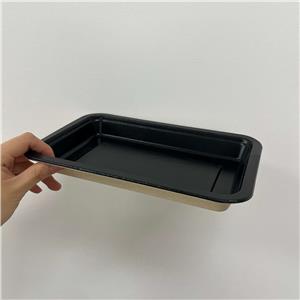
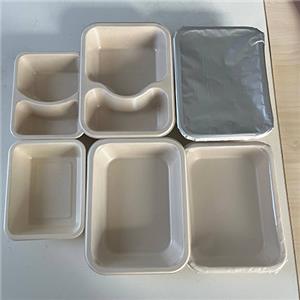
Our bagasse coated trays offer:
Reduced plastic usage
Custom barrier coatings (PLA / EVOH / PET / PP)
Compatibility with MAP sealing systems
Internal Links
👉 Learn MAP basics:
What is Modified Atmosphere Packaging
👉 See how MAP works:
How Does Modified Atmosphere Packaging Work
FAQ
Q: Is CAP better than MAP?
A: Not necessarily. They serve different purposes.
Q: Can sustainable trays replace plastic in MAP?
A: Yes, coated fiber trays are increasingly used.