Spain Ready Meal Packaging 2026: Sealed Laminated Bagasse Tray Systems for Foodservice
① Spain's Ready Meal Boom Puts the Sealed Tray Under Pressure
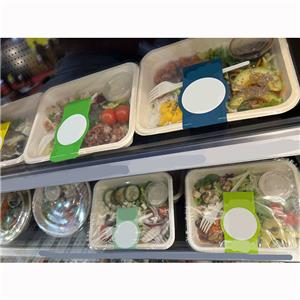
Spain's prepared-meal economy is growing faster than the packaging that carries it. Prepared-meal sales in Spain are up 55% since 2020 (Worldpanel by Numerator, cited by Xataka, retrieved 2026-09-11), and out-of-home consumption rose 29% in sales year on year (autonomosyemprendedor.es, retrieved 2026-09-11). Europe's foodservice market reached USD 1.04 trillion in 2026 (Mordor Intelligence, retrieved 2026-09-11). All of them buy the same component: a tray that seals, ships and reheats.
Two measures frame that purchase. Spain's Law 7/2022 introduced an excise tax of €0.45 per kilogram on non-reusable plastic packaging plus a 50% single-use plastic weight-reduction target (Ley 7/2022, BOE-A-2022-5809, retrieved 2026-09-11). The EU restriction on PFAS in food-contact fiber packaging applies from August 12, 2026 under the PPWR framework. Both push ready-meal programs toward fiber — but only a tray that survives sealing is a product.
② Technical Parameters: The Sealed Tray System Specification
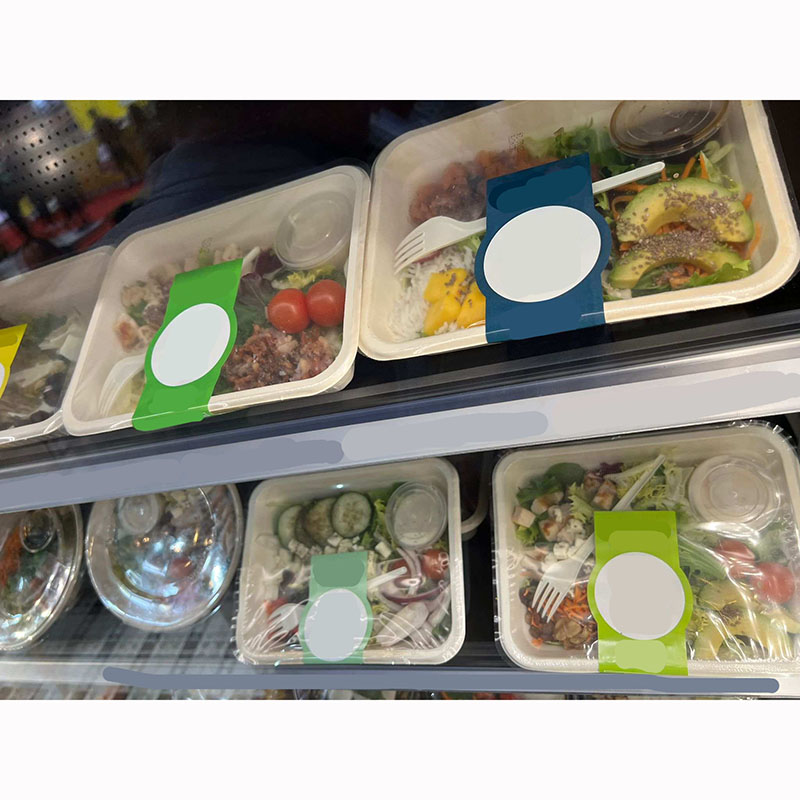
A compostable tray is a material claim; a ready meal package is a system claim. The specification that keeps a Spanish line running looks like this:
| Parameter | Specification | What it secures |
|---|---|---|
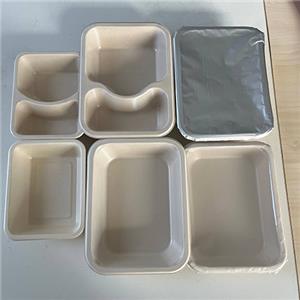
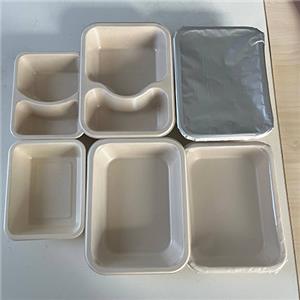
| Tray base | Bagasse pulp, 1–5+ compartments, 1:1 mold replication of PET/PP geometry | Installed-line fit |
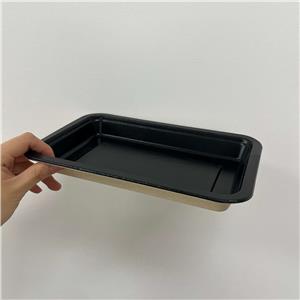
| Lamination film | PP −20~120°C, PET −20~180°C, CPET −40~220°C, PLA cold chain, EVOH high barrier | Right film for the duty cycle |
| Plastic content | Unlaminated 100% plastic-free; laminated film ≤ 5% of product weight | Material declaration for tax review |
| Seal integrity | Sealer parameters matched per tray-film pair; seal and leak checks per lot | Cold-chain survival |
| Temperature window | −20°C to 220°C depending on film | Freezer-to-oven instructions |
| PFAS status | PFAS-FREE (ND), <10 ppm total fluorine; physical film, not fluorine chemistry | EU fiber rule, August 12, 2026 |
| Documentation | SGS PPWR Total Fluorine and PFAS (ND) reports for the laminated tray series; FDA; LFGB; REACH; OK Compost Industrial; AS 4736 (ABAP No. 10587) | Audit and customs files |
Two engineering decisions separate a working system from a brochure. The barrier: many fiber trays use PFAS wet-end chemistry, while our laminated trays use a continuous film — PP, PET, CPET, PLA or EVOH — so the fiber stays fluorine-free by design. The pulp: virgin, chlorine-free bagasse. For the compostable route, see our compostable ready meal containers guide.
③ Integrated Solutions: Tray, Film, Lid and Sealer as One Unit
Ready-meal failures rarely come from the fiber; they come from the seal. Our approach covers the whole pack:
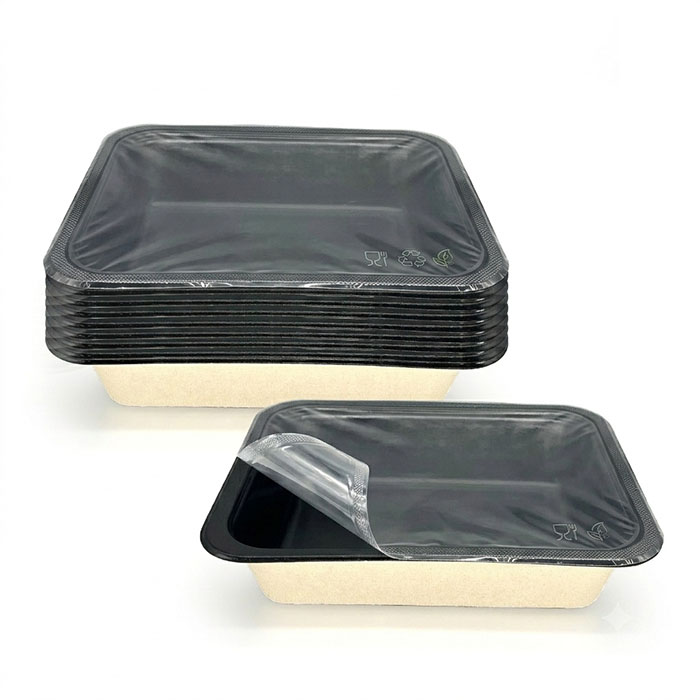
- Tray–film–lid matching: CPET/PET/PP films, aluminum foil, paper lids and PLA film documented as one system — start from the sealable bagasse tray range.
- MAP and VSP: EVOH multi-layer lamination supplies the oxygen barrier for modified atmosphere and vacuum skin packaging without fluorine; see the PFAS-free VSP bagasse tray solution.
- Sealing equipment: tray sealers calibrated per tray-film pair — options under top sealing solutions, economics in our heat sealing packaging guide.
- Pilot support: sample trays and film in sizes Spanish lines already run, including the 227×178 mm format of the sealable meal tray program.
For film-by-film temperature ranges, see the microwave and oven-safe bagasse meal trays guide; for full system context, the ready meal packaging buyer's guide.
④ Customization: Keep Your Line, Change the Material
A Spanish ready-meal program should not have to rebuild its filling line to change material. We produce sealed bagasse trays across compartment layouts (1 to 5+), round, oval, square and rectangular geometries:
- Logos: embossed or debossed in the molded pulp.
- Films: unlaminated, PP/PET/CPET/PLA/EVOH — each documented for fluorine-free status and temperature window.
- Lidding: custom-printed films, paper lids, branded outer cartons.
- Tooling: 3,000+ existing molds, 200+ new annually, mold-fee rebates at agreed volumes.
Browse the sealable bagasse tray range for these formats, and check the evidence chain in our PFAS-free food packaging trays guide before you specify.
⑤ Compliance: What a Spanish Buyer Should Ask For in 2026
Reports held by Hebei Mountain (on request): SGS reports covering the laminated tray series (PPWR Total Fluorine, PFAS (ND), BPA (ND) and related food-contact parameters); FDA food-contact compliance; LFGB; REACH; OK Compost Industrial (TÜV AUSTRIA); AS 4736 industrial composting — ABAP Certificate No. 10587 (ABA).
Two practical notes. Test scope discipline: a report covers the product family it names — our PFAS (ND) reports cover the laminated tray series, so ask suppliers which SKUs a report covers. Plastic tax review: Spain's €0.45/kg excise applies to the plastic component of packaging, so check unlaminated (100% plastic-free) and laminated (film ≤ 5% of product weight) formats with your tax adviser. Request current-cycle reports.
For North American programs, molded pulp tableware from our Cambodia base moves under HTS 4823.70 at a 10% U.S. import duty with 0% antidumping duty; confirm the applicable rate with your customs broker at shipment time.
⑥ Expert FAQ
Q1: Why is Spain's ready meal growth a packaging issue?
Prepared-meal sales in Spain are up 55% since 2020 and out-of-home consumption rose 29% in sales year on year (sources in section ①). That volume is served in trays that must seal, stack, ship and reheat — tray specifications, not menu ideas, decide whether a program scales.
Q2: How does Spain's plastic tax (Ley 7/2022, €0.45/kg) affect tray choice?
The excise is assessed on the plastic component of non-reusable packaging. Unlaminated bagasse trays carry no plastic component; the laminated series keeps film at ≤ 5% of product weight. We supply material declarations; confirm classification with your tax adviser.
Q3: Will laminated bagasse trays clear the August 12, 2026 EU PFAS rule?
Yes, on the documentation we hold: PFAS-FREE (ND), total fluorine below 10 ppm, achieved with a physical lamination film rather than fluorine chemistry, plus SGS PPWR reports for the laminated tray series.
Q4: Can we keep our existing sealing line and tray dimensions?
In most cases, yes. We replicate existing PET/PP tray geometry 1:1 — rim, flange and stack height — and match film and sealer parameters to your line, so denesters, fillers and sealing molds stay unchanged.
Q5: Which film for chilled, frozen and oven-reheat recipes?
Follow the duty cycle: PP (−20~120°C) chilled and microwave, PET (−20~180°C) chilled-to-oven, CPET (−40~220°C) freezer-to-oven, PLA cold chain, EVOH multi-layer where MAP or VSP barrier is required.
Q6: What documentation should accompany the first Spanish shipment?
Material declarations with plastic weight per SKU, a fluorine-free process statement, SGS-type PFAS (ND) and Total Fluorine reports naming the tray series, food-contact documents (FDA/LFGB/REACH), and compostability certificates for the applicable series.
Q7: How do you support Spanish cold-chain and delivery formats?
Film-matched lidding for chilled, frozen and sealed delivery packs, EVOH high-barrier formats for MAP and VSP, and export support across our Cambodia, Anhui and Shandong bases — answered within 12 hours.
About Hebei Mountain Environmental Protection Technology: manufacturer of laminated sugarcane bagasse tableware and total thermoseal packaging solutions — trays, lidding films, and sealing machines — for ready meal, fresh food, and foodservice brands. PFAS-FREE (ND) fiber packaging, low-plastic laminated series (≤ 5%), industrial-compostable options (AS 4736 / OK Compost Industrial).