How to Choose a Tray Sealing Machine for Bagasse Trays: Setting Up a Sealing, MAP or VSP Line
Choose the tray sealer after the tray and the film are fixed, because the machine has to match the rim geometry and the film rather than the other way round. A fiber tray is a molded part with its own tolerance, so sealing a fiber tray is a three-part decision: tray, film and tooling together.
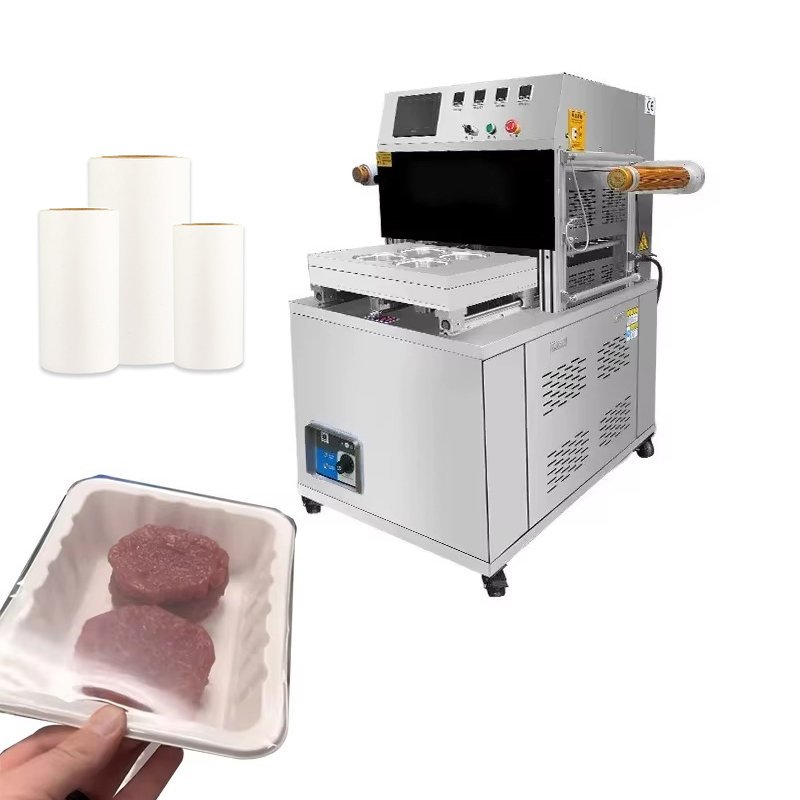
Most line problems that get blamed on the machine are actually a mismatch between the rim and the tooling, or between the film and the way the machine handles it. This guide sets out what a sealer has to do for a fiber tray, what changes between a sealing, MAP and VSP line, and which points to confirm with the machine supplier. The sealing options themselves are covered in our top sealing solutions range.
What a tray sealer has to do for a fiber tray
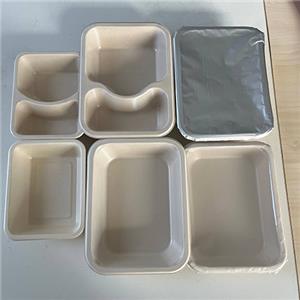
A tray sealer has to present the tray, hold the film flat, bring the two together and close the seal repeatably across a shift. For a fiber tray the critical part is holding a molded rim, which is a wider and softer sealing surface than the rim of an injection-moulded plastic tray.
That difference is why fiber trays are usually run with tooling matched to the specific format, and why the tray and film are specified as a system. Our bagasse heat seal food trays are supplied that way, and the process basics are covered in our guide to whether bagasse trays can be heat sealed.
Matching the machine to the tray rim and the film
The rim is the interface, so the tooling is designed around the tray drawing rather than around a generic format. Rim width, corner radius and the flat area available for the seal all have to be known before tooling is quoted.
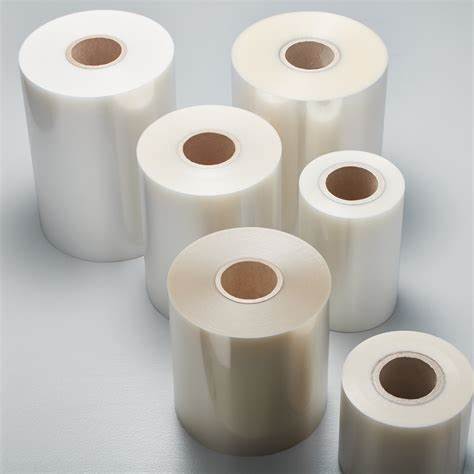
The film is the second half of the same interface, because a film the machine cannot handle evenly will not seal evenly however well the tooling fits. Our guide to heat sealing packaging solutions sets out how the film side of the decision is made, and reproducibility on the finished pack is covered in our article on testing a heat sealable bagasse tray.
Sealing, MAP and VSP: what changes on the line
A sealing-only line closes the pack, a MAP line changes the headspace gas before closing, and a VSP line draws the film down over the product before sealing. The machine architecture changes at each step, so the line type is chosen from the pack requirement rather than from the tray.
MAP and VSP also change what the tray has to do, because both put the film under load across the product rather than flat across the rim. The formats are described in our guide to sealed bagasse tray systems for MAP and VSP, and the MAP side specifically is covered in our article on bagasse trays in MAP packaging.
The parameters to confirm with the machine supplier
Every sealing parameter is a machine and material setting, so the values belong in the trial record rather than in a buying guide. What a buyer should confirm is the list of settings the supplier expects to adjust, and who owns each one.
The list normally covers the sealing conditions the machine applies, the dwell and cooling behaviour of the tooling, the pressure applied across the rim, the film feed and tension, and the way the machine handles a molded rim that flexes slightly under load. Ask the supplier to state which of these are fixed by the tooling and which are adjustable on the line, because that split determines how much freedom you keep after installation.
Matching the line to your format and volume
| Line type | What the machine has to do | What to confirm with the machine supplier |
|---|---|---|
| Sealing only | Close the pack on the exact tray and film you run | The rim geometry the tooling expects, and the film the machine was set up for |
| MAP | Change the headspace gas before the seal closes | Gas system and tooling compatibility with the tray format you order |
| VSP | Draw the film down over the product before sealing | Tooling and film handling for a skin pack, and the tray depth it accepts |
| Multi-format line | Change between tray formats without a rebuild | The changeover method and the tooling set required per format |
| High-volume line | Hold a repeatable seal across a full shift | How seal quality is monitored on the line, and what the reject rule is |
The table is a planning aid, because the line that works is the one matched to your own tray, film and volume.
Trial sealing before a line decision
A trial seal on the actual tray, the actual film and the intended machine is the only reliable way to confirm a line, and it is normally run before the tooling is ordered. A trial that uses a different tray or a different film proves very little about the pack you intend to sell.
The trial should record the settings used, the seal achieved and the effect of a deliberate variation in each setting, so that the operating window is known before production starts. Where the format already exists in plastic, our 1:1 plastic tray replacement process keeps the footprint so that an existing machine can be assessed against the new material first.
Frequently asked questions
Can a standard tray sealer run fiber trays?
Often yes, provided the tooling matches the molded rim and the film is one the machine handles evenly. The decision is made on a trial rather than on the machine specification alone, because the rim is the part that differs.
Do we need a different machine for MAP and for VSP?
A MAP line needs gas handling and a VSP line needs film drawn over the product, so the two are different architectures rather than different settings. Which one applies follows from the pack requirement, not from the tray.
What should we send the machine supplier before a trial?
The tray drawing with the rim geometry, the film you intend to run, the pack format and the throughput you need. Sending the tray drawing and the film together is what allows the supplier to quote tooling that fits both.
Which comes first: the tray, the film or the machine?
The tray and the film come first, because the machine is matched to them. Choosing a machine before the pack is defined usually means buying tooling that has to be replaced once the rim changes.
How do we know the seal is right before full production?
By running a trial on the actual tray and film and varying each setting deliberately, so the operating window is known. Our laminated trays are PFAS-FREE (ND, < 10 ppm) and ≤ 5% plastic, and the certification and test report documentation is listed in our certification section for the same reason.
Need a sealing line matched to a fiber tray?
Hebei Mountain Environmental Protection Technology Co., Ltd. manufactures laminated bagasse trays and supplies film structures in PP, PET, CPET, PLA, EVOH-enhanced and PBAT-based options, with 30+ production lines for volume supply. Our mold library holds more than 3,000 in-house molds, and we develop 200+ new molds each year.
Send us the tray drawing, the film and the pack format, and we will confirm which tray and film combination suits the line and what to bring to a trial. Please contact our team to start the request.