10 Questions to Ask a Bagasse Tray Manufacturer Before Placing an Order
Choosing a bagasse tray manufacturer is an important decision for food manufacturers, distributors, wholesalers, and brands.
A supplier may offer an attractive price, but price alone does not tell you whether the tray will work with your food product, sealing machine, lidding film, or production line.
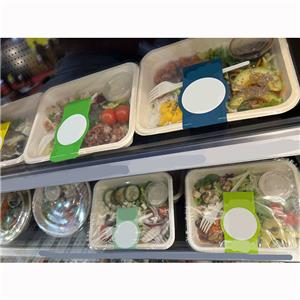
This is especially true when you are buying heat-sealable bagasse trays, laminated food trays, ready meal packaging, MAP trays, or custom molded fiber packaging.
Before placing an order, it is worth asking the manufacturer a few technical and commercial questions.
Here are 10 important questions to ask before moving from quotation to production.
1. Are You the Actual Bagasse Tray Manufacturer?
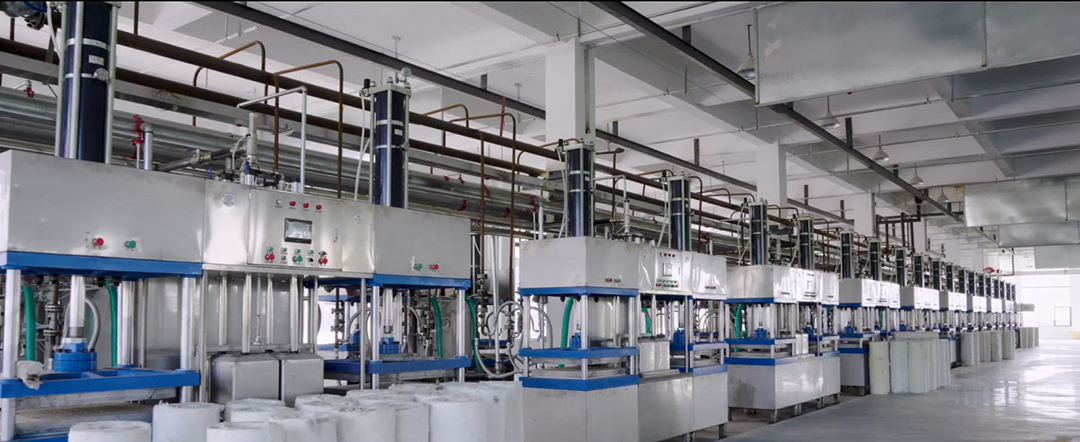
This should be the first question.
Some companies selling bagasse packaging are manufacturers, while others mainly operate as trading companies or sourcing agents.
A trading company is not necessarily a problem. However, if your project requires custom molds, film selection, production testing, or long-term technical support, knowing who actually manufactures the product is important.
Ask the supplier:
- Where is your factory?
- What products do you manufacture?
- How many production lines do you have?
- Do you have your own molding equipment?
- Do you develop molds in-house?
- Can we see factory production photos or videos?
For a customized tray project, direct access to the manufacturing team can make technical communication easier.
2. Can You Make Our Existing Tray in Bagasse?
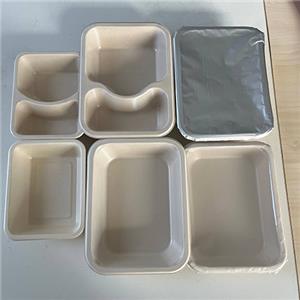
If you currently use a PP, PET, CPET, or other plastic tray, send the manufacturer a sample.
Ask:
“Can you develop a molded bagasse replacement based on this tray?”
This is a much more useful question than simply asking whether the supplier produces bagasse trays.
The manufacturer should evaluate:
- Tray dimensions
- Depth
- Wall structure
- Rim
- Corners
- Compartments
- Stacking
- Food capacity
- Sealing area
In some cases, a close 1:1 replacement may be developed.
In other cases, the design may need to be modified because molded fiber behaves differently from plastic.
3. What Film Structure Do You Recommend?
If you need a heat-sealable tray, ask specifically about the film layer.
Depending on the application, the manufacturer may offer:
- PP
- PET
- CPET
- PLA
- EVOH-enhanced structures
- PBAT-based structures
But do not ask only:
“Which film is cheapest?”
Instead, provide your application requirements.
Tell the supplier:
- What food you are packing
- Whether it is chilled or frozen
- Whether it will be microwaved
- Whether it will be oven heated
- Whether MAP is required
- Whether VSP is required
- What lidding film you use
- What sealing machine you have
- What shelf life you need
The film should be selected according to the complete packaging system.
4. Can the Tray Be Heat Sealed?
For ready meals and many industrial food applications, this is one of the most important questions.
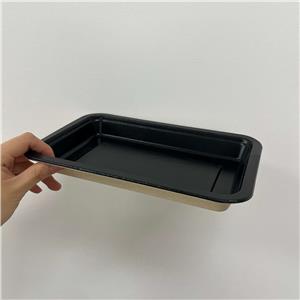
A heat-sealable bagasse tray normally uses a functional film layer on the sealing surface.
Ask the manufacturer about:
- Sealing temperature
- Sealing pressure
- Dwell time
- Rim design
- Lidding film
- Seal strength
- Leak resistance
- Machine compatibility
Do not assume that every bagasse tray is heat sealable.
Plain molded bagasse and laminated heat-sealable bagasse trays are different products.
5. Can It Work With Our Existing Sealing Machine?
Replacing a tray does not necessarily mean replacing the entire packaging line.
Ask the manufacturer to evaluate your existing equipment.
Provide information such as:
- Machine brand
- Machine model
- Tray dimensions
- Existing tooling
- Sealing temperature
- Film type
- Production speed
If possible, provide photos or videos of the sealing machine.
The manufacturer can then determine whether the new tray can be developed around the current process.
Some projects may only require tooling or parameter adjustments.
Others may require new sealing tools.
Testing is the best way to confirm compatibility.
6. Can You Support MAP or VSP Packaging?
If your food product uses modified atmosphere packaging or vacuum skin packaging, tell the supplier before development starts.
For MAP, ask about:
- Oxygen barrier
- Water vapor barrier
- Seal integrity
- Lidding film
- Rim design
- Gas flushing
- Shelf-life testing
For VSP, ask about:
- Tray rigidity
- Vacuum performance
- Rim structure
- Skin film compatibility
- Product presentation
For higher oxygen-barrier applications, an EVOH-enhanced structure may be evaluated.
However, the actual MAP or VSP performance needs to be tested with the food product and packaging equipment.
7. What Testing and Documents Can You Provide?
Food packaging needs more than a product specification sheet.
Depending on your market and application, you may need documents related to:
- Food-contact compliance
- Migration testing
- Material composition
- PFAS
- Compostability
- Heavy metals
- Packaging regulations
Ask the supplier:
“Which documents are available for this exact product and film structure?”
This is important.
A certification for one tray or one material does not automatically apply to every product manufactured by the same factory.
You should confirm that the documentation matches the actual product you intend to purchase.
8. What Is Your MOQ and Lead Time?
MOQ and lead time can have a major impact on your purchasing plan.
Ask for the MOQ for:
- Standard trays
- Custom trays
- Different sizes
- Different film structures
- Printed products
- Custom packaging
Also ask about:
- Sample lead time
- Mold development time
- First production lead time
- Repeat-order lead time
- Peak-season lead time
For custom products, clarify whether the mold development schedule is included in the quoted lead time.
9. How Do You Control Quality During Mass Production?
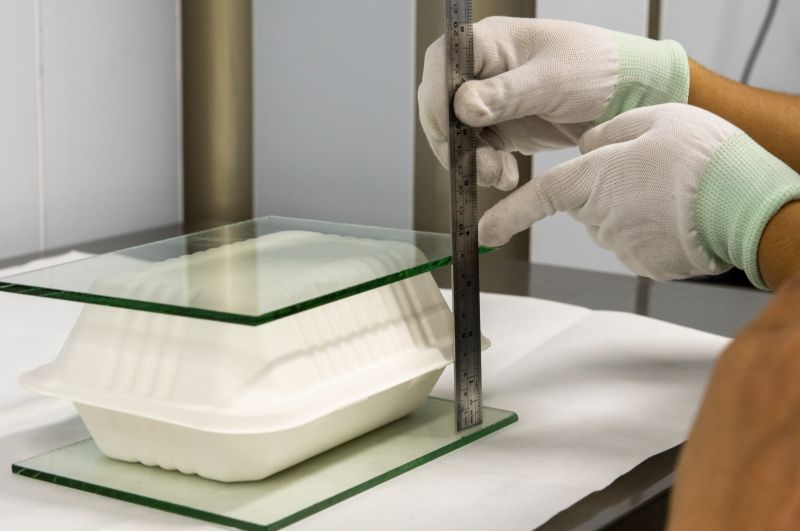
A sample can look excellent while the mass-produced product has dimensional or sealing variations.
Ask the manufacturer how quality is controlled during production.
Useful questions include:
- How do you control tray dimensions?
- How do you control product weight?
- How do you inspect the rim?
- How do you check the film layer?
- Do you perform leakage tests?
- How do you inspect sealing performance?
- How are cartons checked before shipment?
For customized heat-sealable trays, quality control should cover both the molded fiber body and the laminated structure.
10. Can You Supply More Than Just the Tray?
For many food packaging projects, the tray is only one component.
You may also need:
- Lidding film
- Sealing equipment
- MAP equipment
- VSP equipment
- Labels
- Custom printing
- Packaging cartons
Ask whether the manufacturer can coordinate these components.
A one-stop supplier can sometimes reduce the number of companies involved in the project.
This can be particularly useful for overseas distributors and food manufacturers developing a new packaging format.
Questions to Ask About Your Specific Food Product
The 10 questions above are useful for almost every project.
But you should also give the manufacturer detailed information about the food.
For example:
Food Type
Is it:
- Ready meal?
- Meat?
- Seafood?
- Fresh produce?
- Bakery?
- Frozen food?
- Dairy?
- Prepared food?
Storage
Will it be:
- Ambient?
- Chilled?
- Frozen?
Heating
Will the consumer:
- Eat it cold?
- Microwave it?
- Oven heat it?
- Reheat it in another way?
Packaging
Does the product require:
- Heat sealing?
- MAP?
- VSP?
- High oxygen barrier?
- High moisture barrier?
The more information you provide, the more useful the manufacturer's recommendation will be.
Why the Existing Tray Sample Is So Important
If you already have a plastic tray, send it.
A physical sample can provide information that is difficult to communicate through text alone.
The manufacturer can examine:
- Overall dimensions
- Tray depth
- Wall angles
- Corner radius
- Rim width
- Compartment structure
- Stacking
- Product capacity
If a technical drawing is available, send that as well.
The ideal starting package is:
Existing Tray + Drawing + Food Information + Machine Information
This gives the manufacturer a much clearer picture of the project.
What If You Don't Have a Technical Drawing?
That is not necessarily a problem.
You can send:
- Physical sample
- Photos
- Measurements
- Product dimensions
- Existing packaging photographs
The manufacturer can evaluate the sample and help develop the technical drawing.
For completely new packaging, you can also provide:
- Product dimensions
- Required capacity
- Number of compartments
- Target tray shape
- Food weight
- Packaging method
A custom tray can then be developed from the application requirements.
What Should a Bagasse Tray Sample Include?
Before mass production, ask what exactly you are receiving as a sample.
A useful sample evaluation may include:
Tray Sample
Check:
- Dimensions
- Weight
- Shape
- Surface
- Rim
- Stacking
Laminated Structure
Check:
- Film type
- Film coverage
- Surface condition
- Sealing area
Sealing Test
Check:
- Lidding film
- Temperature
- Pressure
- Dwell time
- Seal strength
- Leakage
Food Test
Use the actual product whenever possible.
Test:
- Filling
- Sealing
- Storage
- Heating
- Transportation
This provides much more useful information than simply looking at an empty tray.
How to Compare Quotations From Different Manufacturers
Suppose three suppliers send you three quotations.
Do not compare only the unit price.
Create a comparison sheet.
| Item | Supplier A | Supplier B | Supplier C |
|---|---|---|---|
| Tray material | |||
| Film structure | |||
| Tray weight | |||
| Dimensions | |||
| MOQ | |||
| Mold cost | |||
| Sample lead time | |||
| Mass production lead time | |||
| Lidding film | |||
| Heat sealing | |||
| MAP/VSP support | |||
| Testing documents | |||
| Packaging | |||
| Payment terms | |||
| Technical support |
This can reveal differences that are not obvious from the initial quotation.
For example, one supplier may quote a lower price but use a different film structure.
Another may include the mold or sample development.
The comparison should therefore be based on the same technical specification.
Be Careful When Comparing “Bagasse” Products
Not all bagasse packaging is the same.
A buyer should distinguish between:
Plain molded bagasse
and
Laminated or coated bagasse
Plain molded fiber may be suitable for many foodservice applications.
Laminated bagasse is more relevant when the project requires properties such as:
- Heat sealing
- Higher moisture resistance
- Oil resistance
- Specific barrier performance
- MAP
- VSP
- Controlled temperature performance
Therefore, when requesting quotations, specify the exact structure you need.
Otherwise, two suppliers may quote products that look similar but are technically different.
Questions About Sustainability Claims
If sustainability is important to your customers, ask the supplier for details.
For example:
- What is the base material?
- What is the film material?
- Is the complete product certified?
- What percentage of the package is fiber?
- Is PFAS intentionally added?
- What testing has been completed?
- Which compostability standard applies?
- Which market does the certification cover?
Avoid using broad sustainability claims without checking the complete product structure.
This is especially important for laminated trays because the film layer affects the environmental profile of the final package.
What a Professional Manufacturer Should Ask You
A good supplier should not simply send a price immediately.
For a customized project, the manufacturer should ask questions such as:
What food will you pack?
What temperature will the product experience?
Do you need MAP or VSP?
What lidding film are you currently using?
What sealing machine do you have?
What is the existing PP/PET/CPET tray size?
What is your expected monthly volume?
These questions show that the supplier is trying to understand the packaging application rather than simply selling a standard tray.
Example: Replacing a PP Ready Meal Tray
Imagine a food manufacturer currently uses a PP tray for a chilled ready meal.
The current package includes:
- Three compartments
- Heat-sealed lidding film
- Refrigerated storage
- Automated sealing
- Several thousand trays per day
The manufacturer wants to explore a molded fiber alternative.
A practical development process could be:
Step 1
Send the existing PP tray.
Step 2
Provide food weight and compartment requirements.
Step 3
Provide current lidding film information.
Step 4
Provide sealing machine information.
Step 5
Define chilled storage and shelf-life requirements.
Step 6
Evaluate suitable laminated bagasse structures.
Step 7
Develop the custom mold.
Step 8
Produce samples.
Step 9
Test sealing with the existing lidding film or a suitable alternative.
Step 10
Run a production trial.
Step 11
Test filled trays under actual storage and transportation conditions.
Step 12
Confirm the final specification before mass production.
This process gives the buyer a much better basis for making a purchasing decision.
Why Choose a Manufacturer That Understands the Complete Packaging System?
A food tray does not operate independently.
It interacts with:
Food → Tray → Film → Sealing Machine → Storage → Transportation → Consumer
Changing one component can affect the others.
For example, changing the tray rim may affect sealing.
Changing the film may affect barrier performance.
Changing the tray dimensions may affect the sealing tool.
Changing the material may affect stacking or transportation.
This is why a manufacturer with experience in complete food packaging projects can be valuable.
Hebei Mountain: From Custom Tray to Complete Packaging Solution
Hebei Mountain focuses on molded bagasse food packaging for international B2B customers.
Our capabilities include:
- Custom bagasse food trays
- Laminated bagasse trays
- Heat-sealable trays
- Ready meal packaging
- MAP packaging
- VSP packaging
- Custom molds
- Lidding films
- Sealing machines
- OEM and ODM
Our current manufacturing information includes 30+ production lines, more than 3,000 in-house molds, and 200+ new molds developed per year.
For customers replacing existing plastic packaging, we can start with the current tray and evaluate a suitable molded bagasse structure.
The development process can include:
Existing Tray → Drawing → Mold → Sample → Film Selection → Sealing Test → Food Test → Production Trial → Mass Production
This gives customers one technical workflow instead of managing every component separately.
Before You Place Your First Order
Before sending a purchase order, make sure you have confirmed:
Product
- Tray dimensions
- Tray weight
- Material
- Film structure
- Number of compartments
- Food capacity
Performance
- Heat sealing
- Leak resistance
- Storage temperature
- Heating requirements
- MAP/VSP if required
Commercial
- MOQ
- Unit price
- Mold cost
- Sample cost
- Lead time
- Payment terms
Documentation
- Food-contact documents
- Test reports
- Applicable certifications
- Material information
Production
- Quality control
- Packaging
- Shipping
- Production capacity
Once these points are clear, there is much less room for misunderstanding after the purchase order is placed.
Final Checklist for Bagasse Tray Buyers
Before choosing a manufacturer, ask yourself:
Does the supplier actually manufacture the product?
Can they develop custom molds?
Can they work from my existing plastic tray?
Can they provide the right film structure?
Can they support heat sealing?
Can they evaluate MAP or VSP?
Can they test the tray with my food?
Can they provide the documents I need?
Can their MOQ and lead time fit my business?
Can they support the project after the first order?
If the answer to these questions is clear, you have a much stronger basis for selecting a supplier.
Ready to Discuss Your Bagasse Tray Project?
If you are sourcing bagasse trays from China, you do not need to start with a complicated specification.
Send us your existing tray, drawing, or even clear product photos.
Also provide:
- Food type
- Food weight
- Tray dimensions
- Storage temperature
- Heating requirements
- Lidding film
- Sealing machine
- MAP/VSP requirements
- Expected quantity
Our team can evaluate the application and recommend a suitable tray structure, film option, mold approach, and testing process.
Looking for a reliable bagasse tray manufacturer for your next food packaging project? Contact Hebei Mountain and send us your existing tray or packaging requirements.